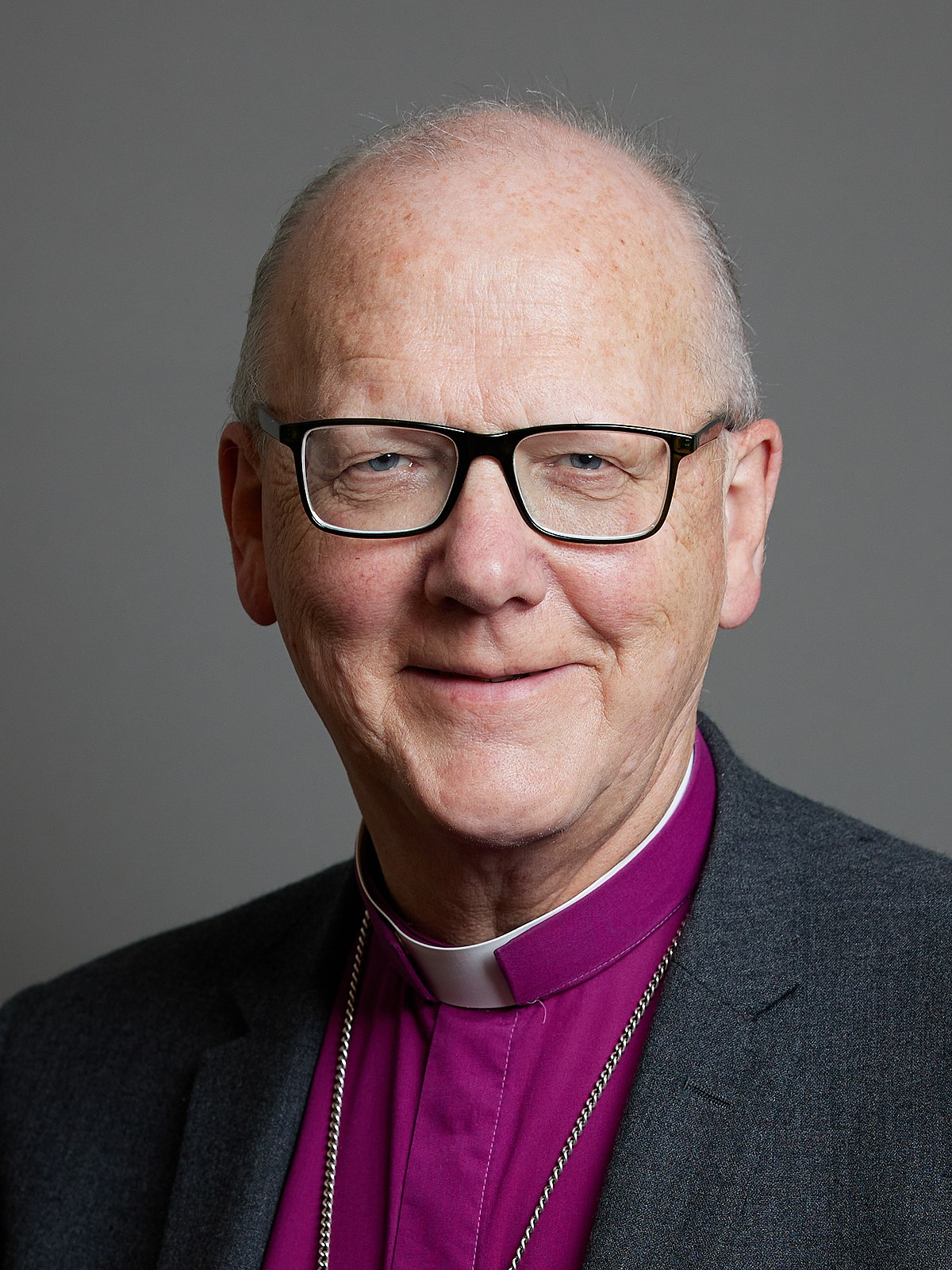
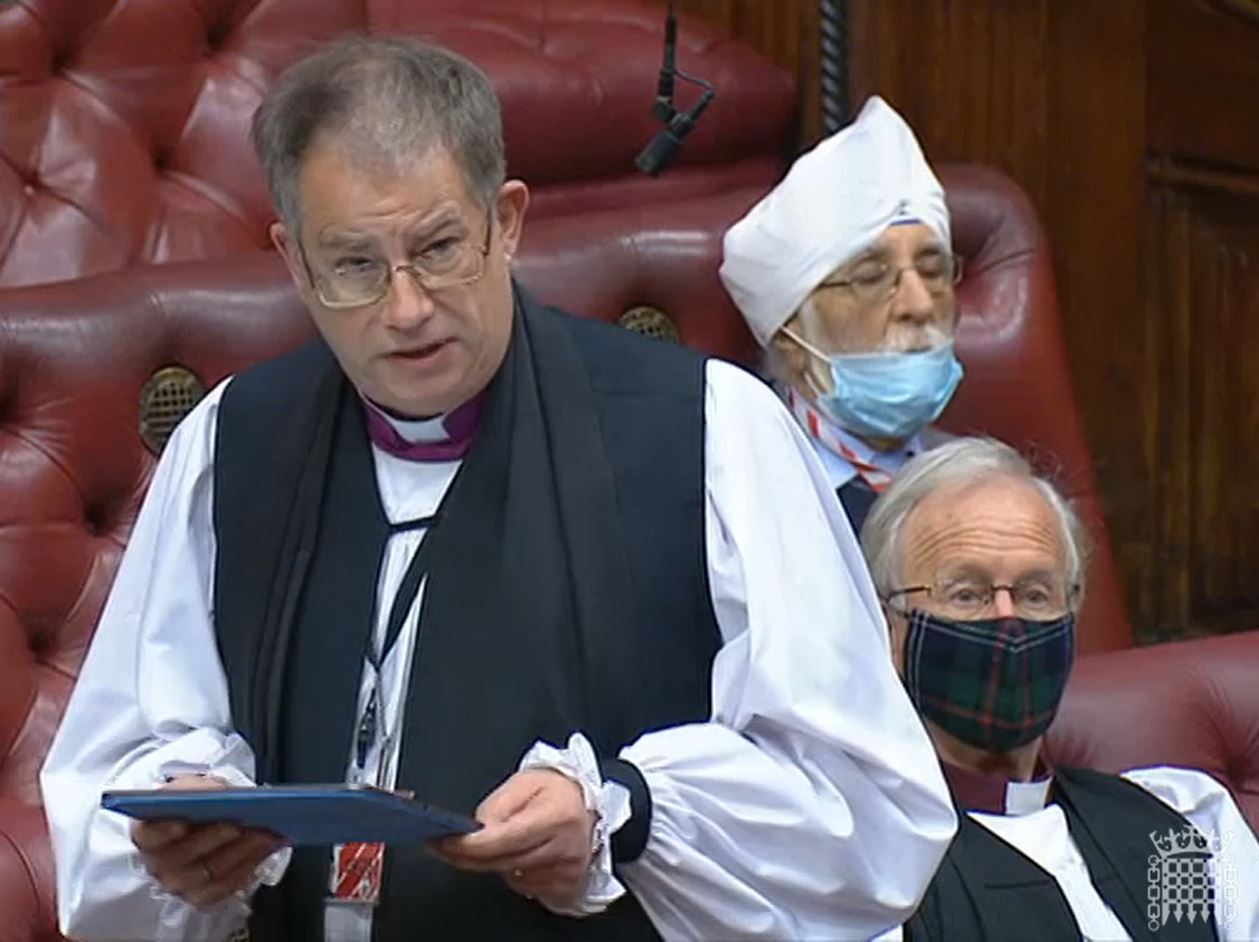
Bishop of Bristol highlights negative impact of lack of digital access for children

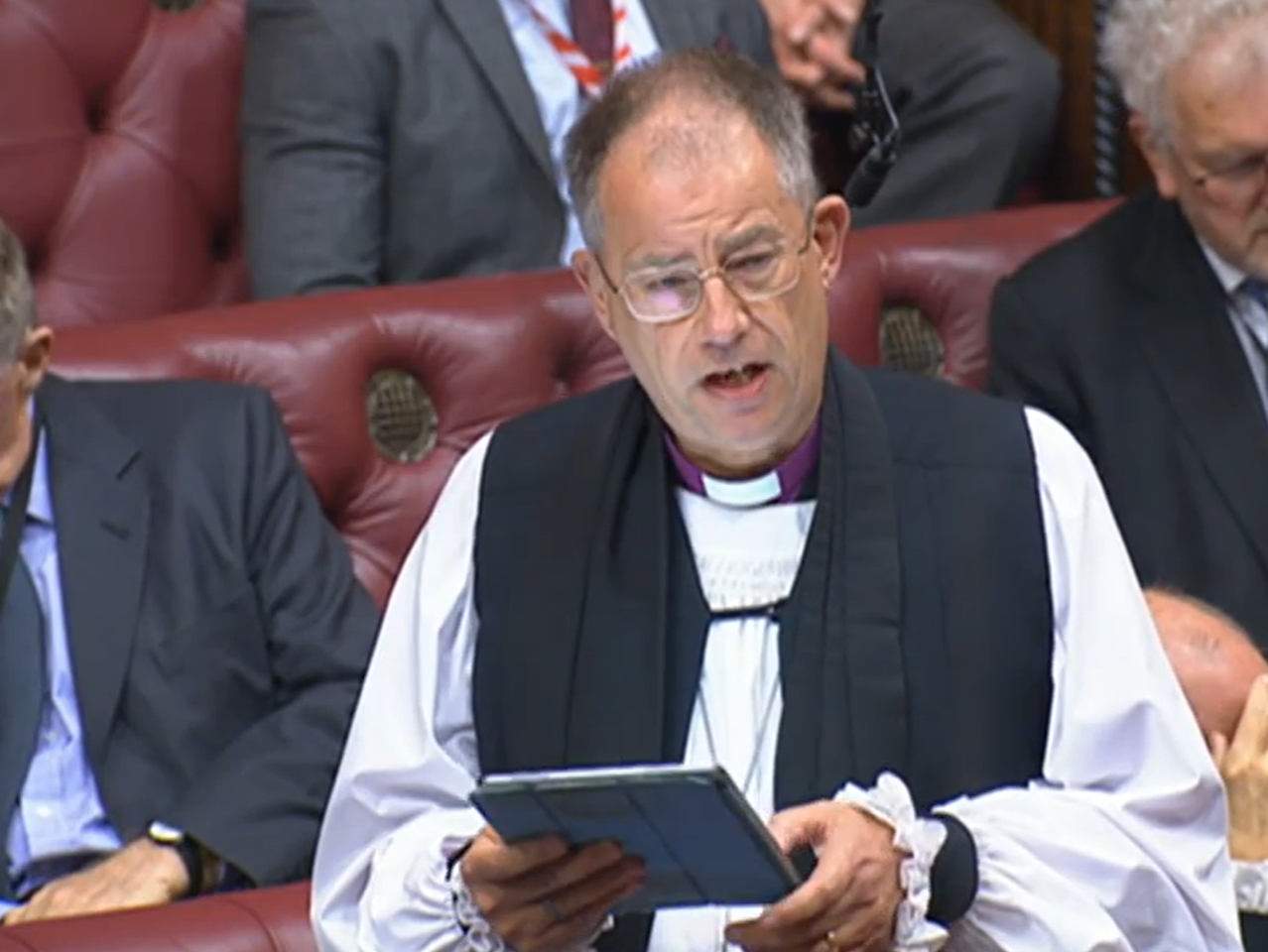
On 8th February 2024, the Bishop of Bristol spoke in a debate on a report from the Communications and Digital Committee on digital exclusion, emphasising the impact of lack of digital access on children:

The Lord Bishop of Bristol: My Lords, it is a pleasure to follow the noble Lord, Lord Lipsey, whose speech imaginatively took us into the life and world of Joe Soap. I congratulate the noble Baroness, Lady Stowell, on securing this timely debate—timely in one sense—and I offer my thanks to all members of the Communications and Digital Committee for a thorough and wide-ranging report. I also lament the lack of a government cross-departmental strategy.

Today, I focus my comments on digital inclusion and exclusion in and around schools, about which I have a little knowledge. In 2021, UNICEF produced an excellent report on the effect of digital exclusion on schoolchildren. That report said that

“digital inclusion must be seen as the cornerstone to ensuring social justice and equitable life chances for every child”.

Those words were written while the pandemic was at its peak and the long-term impact on education was still difficult to predict.

Continue reading “Bishop of Bristol highlights negative impact of lack of digital access for children”

Bishop of St Albans asks about digital connectivity in rural areas

The Bishop of St Albans asked a question on digital connectivity in rural communities on 22nd November 2023, following a government statement on the levelling-up agenda:

The Lord Bishop of St Albans: My Lords, I declare my interests as president of the Rural Coalition and a vice-president of the LGA. The 9.6 million people living in rural areas are glad that there is a mention of rural in the opening paragraph, but we cannot quite see how that rolls out. I wonder whether the Minister can help us a little. One of the crucial things about rural sustainability, improving levels of employment and offering healthcare in rural areas is digital connectivity, yet 17% of rural houses are not on superfast broadband, and nor are 30% of rural commercial premises. How does this relate to the need across the country to roll out a much higher level of rural connectivity? It has been done with a fantastic project in Cornwall and a lot was done in Shropshire at one stage, so it can be done. How do we get that sort of rural levelling up in digital connectivity?

Continue reading “Bishop of St Albans asks about digital connectivity in rural areas”

Investigatory Powers (Amendment) Bill: Bishop of St Albans raises ethical concerns over data access and developing technologies

On 20th November 2023, the Bishop of St Albans spoke in a debate on the Investigatory Powers (Amendment) Bill [HL] at the bill’s second reading, raising concerns regarding the expanded powers the bill would give to the intelligence services to access personal data, and the ethical considerations of developing technology:

The Lord Bishop of St Albans: My Lords, I too thank the noble Lord, Lord Anderson of Ipswich, for his very helpful and excellent work in his area. With the rapid acceleration of technology and technological capacity, I recognise the need for this Bill to be updated. In this context, I welcome the Government’s sense of urgency in addressing the changing landscape in this area, and seeking to close those gaps that potentially endanger both the security and the safety of our nation. My right reverend friend the Bishop of Leeds had hoped to be here today, as he has taken a particular interest in this area, but he is detained elsewhere. We would both like to express two concerns that we believe must be addressed as this Bill is debated in your Lordships’ House.

Continue reading “Investigatory Powers (Amendment) Bill: Bishop of St Albans raises ethical concerns over data access and developing technologies”

Bishop of St Albans asks about adult social care services and suicide prevention methods

The Bishop of St Albans received the following written answers on 17th October 2023:

The Lord Bishop of St Albans asked His Majesty’s Government what steps they are taking to support the digitisation of adult social care.

Lord Markham (Con, Department for Health & Social Care): We are funding a programme of digitisation for adult social care that is delivered through integrated care systems having spent £50 million so far and investing a further £100 million over the next two years.

Continue reading “Bishop of St Albans asks about adult social care services and suicide prevention methods”

Bishop of Oxford asks about Centre for Data Ethics and Innovation

The Bishop of Oxford received the following written answer on 17th October 2023:

The Lord Bishop of Oxford asked His Majesty’s Government:

  •  what is the current status of the Advisory Board of the Centre for Data Ethics and Innovation.
  • what future plans there are for the Centre for Data Ethics and Innovation.
Continue reading “Bishop of Oxford asks about Centre for Data Ethics and Innovation”

Bishop of Oxford takes part in debate on development of advanced Artificial Intelligence

On 24th July 2023, the Bishop of Oxford spoke in a debate about the ongoing development of advanced artificial intelligence, associated risks and potential approaches to regulation within the UK and internationally:

The Lord Bishop of Oxford: My Lords, I declare my interest as a member of two recent select and scrutiny committees on AI, and as a founding board member of the Centre for Data Ethics and Innovation.

Together with others, I congratulate the noble Lord, Lord Ravensdale, on this debate, and it is a pleasure to follow the noble and gallant Lord, Lord Houghton.

We are at a pivotal moment in the development of AI. As others have said, there is immense potential for good and immense potential for harm in the new technologies. The question before us is not primarily one of assessing risk and developing regulation. Risk and regulation must both rest on the foundation of ethics. My fundamental question is: what is the Government’s view on the place of ethics within these debates, and the place of the humanities and civil society in the development and translation of ethics?

Continue reading “Bishop of Oxford takes part in debate on development of advanced Artificial Intelligence”

Church Commissioners Written Questions: Church Finance, Repairs and Maintenance, Technology, Religious Freedom, Diocesan Vacancies, and Education

On 14th July 2023, Andrew Selous MP, representing the Church Commissioners, gave the following written answers to questions from MPs:

Church of England: Finance

Julian Knight MP (Ind, Solihull): To ask the Member for South West Bedfordshire, representing the Church Commissioners, what steps the Church is taking to ensure transparency and accountability in its financial operations.

Continue reading “Church Commissioners Written Questions: Church Finance, Repairs and Maintenance, Technology, Religious Freedom, Diocesan Vacancies, and Education”

Online Safety Bill: Bishop of Oxford welcomes amendments on artificial intelligence, stresses importance of future-proofing

On 6th July 2023, during a debate on the Online Safety Bill, The Bishop of Oxford spoke in support of a group of amendments to the bill focusing on the development of artificial intelligence, whilst raising concerns about whether the bill was sufficiently future proofed given the rapid movement of technology:

The Lord Bishop of Oxford: My Lords, I warmly welcome this group of amendments. I am very grateful to the Government for a number of amendments that they are bringing forward at this stage. I want to support this group of amendments, which are clearly all about navigating forward and future-proofing the Bill in the context of the very rapid development of artificial intelligence and other technologies. In responding to this group of amendments, will the Minister say whether he is now content that the Bill is sufficiently future-proofed, given the hugely rapid development of technology, and whether he believes that Ofcom now has sufficient powers to risk assess for the future and respond, supposing that there were further parallel developments in generative AI such as we have seen over the past year?

Continue reading “Online Safety Bill: Bishop of Oxford welcomes amendments on artificial intelligence, stresses importance of future-proofing”

Illegal Migration Bill: Bishop of Durham requests clarification on use of digital methods such as video conferencing in immigration procedures

During a committee debate on the Illegal Migration Bill on 12th June 2023, the Bishop of Durham raised a point of clarification to Lord Murray of Blidworth (the Parliamentary Undersecretary of State for Migration & Borders), on the use of remote methods such as video-conferencing to conduct immigration procedures, asking whether such methods were as effective as in person interviewing and interventions:

Lord Murray of Blidworth (Con, Home Office): Amendment 90, spoken to by my noble friends Lord Randall and Lord McColl, relates to the presumption that it is not necessary for a person to remain in the UK to co-operate with an investigation. It is one of the enduring legacies of the Covid pandemic that much more can now be done remotely. We all see this in the changes to the way we work. Even now, some Members of your Lordships’ House take part in debates by videolink. It is simply no longer the case that a victim of crime needs to be in face-to-face contact with police or others to assist with an investigation. There is no reason why, in the majority of cases, such co-operation cannot continue by email, messaging and videoconferencing. The presumption in Clause 21(5) is therefore perfectly proper.

(…)

The Lord Bishop of Durham: Sorry—it has taken me a little while to contemplate but is the Minister effectively saying that the use of video and email and so on is as good as in-person interviewing and in-person interventions? I really think that needs to be rethought.

Continue reading “Illegal Migration Bill: Bishop of Durham requests clarification on use of digital methods such as video conferencing in immigration procedures”

Online Safety Bill: Bishop of Chelmsford supports Bishop of Oxford’s amendments on safety and risk

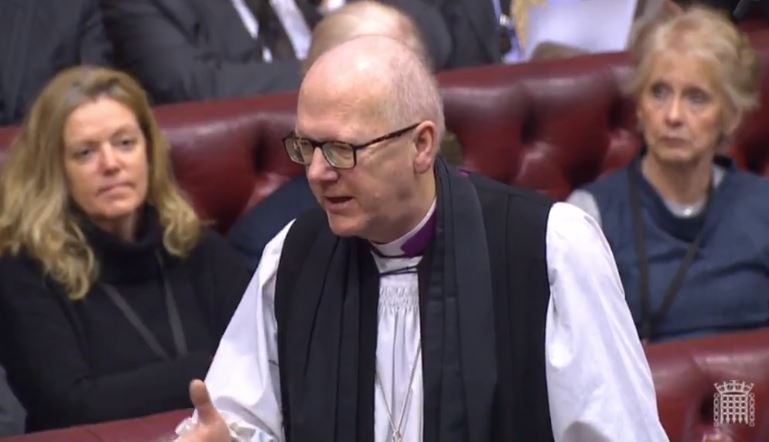
On 25th May 2023, the House of Lords debated the Online Safety Bill in committee. The Bishop of Chelmsford spoke in support of amendments to the bill tabled by the Bishop of Oxford, Lord Clement Jones, and Lord Colville of Culross, which would introduce new duties to Ofcom to assess risk and monitor online safety:

My Lords, I shall speak in favour of Amendments 195, 239 and 263, tabled in the names of my right reverend friend the Bishop of Oxford, the noble Lord, Lord Clement-Jones, and the noble Viscount, Lord Colville of Culross, who I thank for his comments.

My right reverend friend the Bishop of Oxford regrets that he is unable to attend today’s debate. I know he would have liked to be here. My right reverend friend tells me that the Government’s Centre for Data Ethics and Innovation, of which he was a founding member, devoted considerable resource to horizon scanning in its early years, looking for the ways in which AI and tech would develop across the world. The centre’s analysis reflected a single common thread: new technologies are developing faster than we can track them and they bring with them the risk of significant harms.

This Bill has also changed over time. It now sets out two main duties: the illegal content duty and the children duty. These duties have been examined and debated for years, including by the joint scrutiny committee. They are refined and comprehensive. Risk assessments are required to be “suitable and sufficient”, which is traditional language from 20 years of risk-based regulation. It ensures that the duties are fit for purpose and proportionate. The duties must be kept up to date and in line with any service changes. Recent government amendments now helpfully require companies to report to Ofcom and publish summaries of their findings.

Continue reading “Online Safety Bill: Bishop of Chelmsford supports Bishop of Oxford’s amendments on safety and risk”