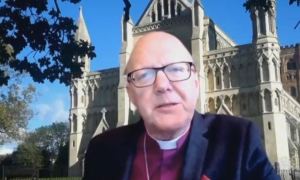
Bishop of St Albans welcomes commonwealth trade agreements

The Bishop of St Albans took part in a debate on new commonwealth trade agreements on 8th July 2021, welcoming the agreements and urging they be used as a force for positive social consequences:

The Lord Bishop of St Albans: My Lords, I welcome Her Majesty’s Government’s intent to strengthen ties with the Commonwealth as we transition to our new reality outside the European Union. When we entered the European Common Market, we severed many tight economic ties with some of our Commonwealth partners. It is because of that that I am particularly pleased at the announcement of the economic partnership agreement with CARIFORUM, which covers many countries with whom we continue to share a head of state.

My diocese is linked with the Windward Islands, and we are glad to have a large community of Vincentians living in Luton. They have told me of the extraordinary economic disruption that occurred to them when we joined the EEC. Although many of these Commonwealth realm territories contained within the CARIFORUM agreement are small in GDP terms, there is a symbolic importance to this agreement, and I hope it will be a platform to further invest and engage culturally with these territories to strengthen our existing ties.

Continue reading “Bishop of St Albans welcomes commonwealth trade agreements”
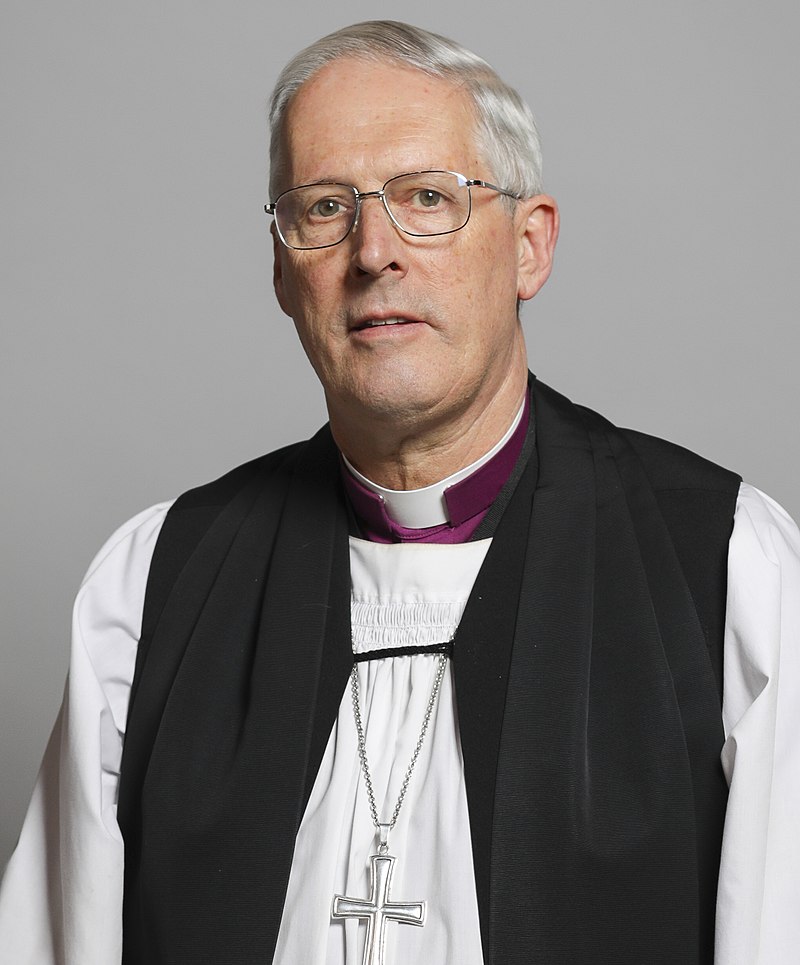
Bishop of Southwark asks about human rights considerations in trade agreements

The Bishop of Southwark received the following written answer on 16th March 2021:

The Lord Bishop of Southwark asked Her Majesty’s Government what plans they have, if any, to include human rights provisions in any future trade agreement between the UK and the Philippines.

Continue reading “Bishop of Southwark asks about human rights considerations in trade agreements”

Votes: Trade Bill

On 23rd February 2021, the House of Lords debated Commons Reasons and Amendments to the Trade Bill. A vote was held on an amendment to the bill, in which Bishops took part.

Continue reading “Votes: Trade Bill”

Votes: Trade Bill

On 2nd February 2021, the House of Lords debated Commons Amendments to the Trade Bill. Votes were held on further amendments to the bill, in which Bishops took part:

Continue reading “Votes: Trade Bill”

Votes: Trade Bill

On 6th January 2021, the House of Lords debated the Trade Bill. Votes were held on amendments to the bill, in which Bishops took part:

Continue reading “Votes: Trade Bill”

Trade Bill: Bishop of St Albans support amendments to give parliament approval of trade deals

On 7th December the House of Lords considered the Government’s Trade Bill at its Report Stage. The Bishop of St Albans sponsored and spoke in support of amendment 6 from Lord Purvis of Tweed on parliamentary approval of future trade deals:
The Lord Bishop of St Albans [V] : My Lords, I support Amendment 6 in the name of the noble Lord, Lord Purvis of Tweed, and the revision he has made as he has engaged with the Government. I am grateful for his very clear exposition and will be concise in my support.
Modern trade agreements affect huge swathes of public policy, including consumer and workers’ rights, environmental legislation, food standards, health, public services and international development. MPs, who represent constituencies and work with a variety of stakeholders, deserve the right to assess the consequences of an agreement, as does your Lordships’ House.

Continue reading “Trade Bill: Bishop of St Albans support amendments to give parliament approval of trade deals”

Bishop of Salisbury asks when trade deal uncertainty will end

On 17th November Lord Wallace of Saltaire asked the Government “what assessment they have made of the comments by the Prime Minister of Canada on 11 November about the United Kingdom’s prospects of a trade deal with Canada.” The Bishop of Salisbury asked a follow up question:

The Lord Bishop of Salisbury: My Lords, early this morning, I had breakfast on Zoom, hosted by my colleague the Bishop of Sherborne, along with people from the Dorset churches and community. A farmer and local businessman said that his greatest fear for the future was uncertainty. How will this uncertainty be ended so that he will not be left just watching this space but will know what opportunities there are? ​How will the House assess these both in relation to the economy and to the environment? Continue reading “Bishop of Salisbury asks when trade deal uncertainty will end”
UK Internal Market Bill: Bishop of Leeds supports removal of clauses on Northern Ireland and international law

On 9th November 2020 the House of Lords debated and voted on the Government’s UK Internal Market Bill during its Committee stage. A cross-party group of Peers had tabled motions that all the clauses of Part 5 of the Bill, which covered Northern Ireland, international law, and executive powers,  should not remain in the Bill. These successfully passed by large majorities across two votes. The Bishop of Leeds acted as a sponsor of two of those motions, and spoke in the debate on whether the clauses of Part 5 should ‘stand part’ of the Bill:

The Lord Bishop of Leeds [V]: My Lords, it is a great pleasure to follow the speech by the noble Baroness, Lady Suttie. I endorse completely the points made by the noble and learned Lord, Lord Judge, at the outset of this debate. I hope the Government will listen carefully to the advice from the noble Lord, Lord Empey, on the alternatives to what is before us. This is not an either/or situation.​

I have read every word of the Second Reading and Committee debates and the reports—especially from the Constitution Committee. I have even reread Tom Bingham’s book on the rule of law. I ask myself whether I am missing something, but I still come back to the point of principle. I accept the Government’s intention in this Bill, but not the means. Continue reading “UK Internal Market Bill: Bishop of Leeds supports removal of clauses on Northern Ireland and international law”

UK Internal Market Bill: Archbishop warns of consequences for Northern Ireland peace and UK reputation if international law is broken

On 19th and 20th October the House of Lords considered the Government’s UK Internal Market Bill at its Second Reading. The Archbishop of Canterbury spoke in the debate, repeating the concerns he and his fellow UK Anglican Primates had raised about the rule of law, devolution and the Northern Ireland peace process, in an open letter published that day by the Financial Times:

The Archbishop of Canterbury: My Lords, I look forward to hearing, here and online, the contributions to come, especially the maiden speeches of the noble Baroness, Lady Hayman of Ullock, and the noble Lord, Lord Sarfraz.

I also concur totally with the powerful and remarkable speech by the noble and learned Lord, Lord Judge. What we are called to do above all in this country, deeply embedded in our Christian culture and history, is to act justly and honestly. We cannot do so if we openly speak of breaking a treaty under international law, reached properly, on which peace in part of the UK relies. My distinguished former colleague Sentamu, who paid with beatings for his defence of law and justice in Uganda would have spoken trenchantly. I regret his absence.

There are some who claim that I and my colleagues who wrote in the FT this morning are misinformed. But the letter—and this intervention—followed the lead of those who have spent their lives seeking peace in Ireland. Peace is surely something of which religious leaders should speak. We also listened to the Select Committee on the Constitution, to all five living former Prime Ministers, two former Conservative leaders, and distinguished judges, including former Presidents of the Supreme Court and the former Lord Chief Justice of England and Wales, to name but a few. Continue reading “UK Internal Market Bill: Archbishop warns of consequences for Northern Ireland peace and UK reputation if international law is broken”

Bishop of Oxford calls on Government to publish reforms to prevent “predatory and harmful treatment” by Amazon of consumers and third-party sellers

On 12th October 2020 Lord Leigh of Hurley asked the Government “what steps they are planning to take (1) to protect third party sellers from the dominance of Amazon, and (2) to ensure that Amazon does not benefit from passing on the costs of the Digital Services Tax to sellers.” The Bishop of Oxford asked a further question:

The Lord Bishop of Oxford: My Lords, the Minister will be aware that last week the United States Congress published a 449-page report, after reviewing millions ​of documents and taking testimony from hundreds of witnesses, including Amazon’s CEO. The report concluded that

“the totality of the evidence produced during this investigation demonstrates the pressing need for legislative action and reform.”

Does she agree with or dispute the findings of the report? How soon will the Government introduce their own draft reforms to stop these predatory and harmful treatments of third-party sellers and consumers? Continue reading “Bishop of Oxford calls on Government to publish reforms to prevent “predatory and harmful treatment” by Amazon of consumers and third-party sellers”