
The Bishop of Coventry echoed calls from the Pope and Archbishop of Canterbury to pray for peace, and highlighted the need to coordinate in support of refugees, following a government statement on Russia’s invasion of Ukraine on 24th February 2022:
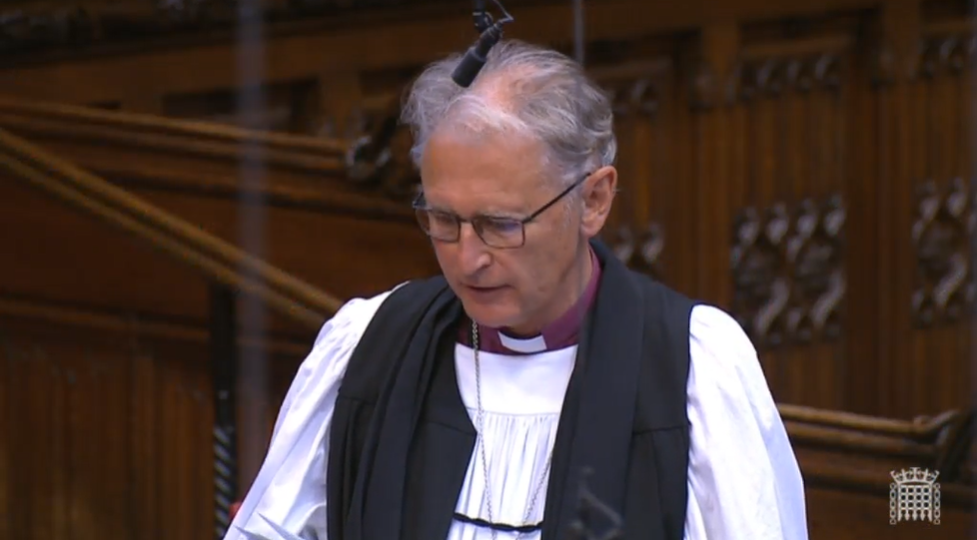
The Lord Bishop of Coventry: My Lords, while weapons of war reduce people and property to ash, will the Leader join me in commending the Pope on calling for a day of prayer and fasting for peace next Wednesday, which is Ash Wednesday, and in commending the most reverend Primate the Archbishop of Canterbury on calling us all to join in that world movement of prayer and calling all churches of this land to set aside Sunday as a day of prayer for peace? Also, would she care to expand on her answer to the noble Baroness, Lady Smith, on the humanitarian response, especially in terms of how we are co-ordinating our response with European partners to the predicted refugee crisis? The Leader may be glad to know that Coventry City Council has assured me that it stands ready to do its part should that be needed, as it has been in the past.
Continue reading “Bishop of Coventry echoes calls for peace following Russian invasion of Ukraine”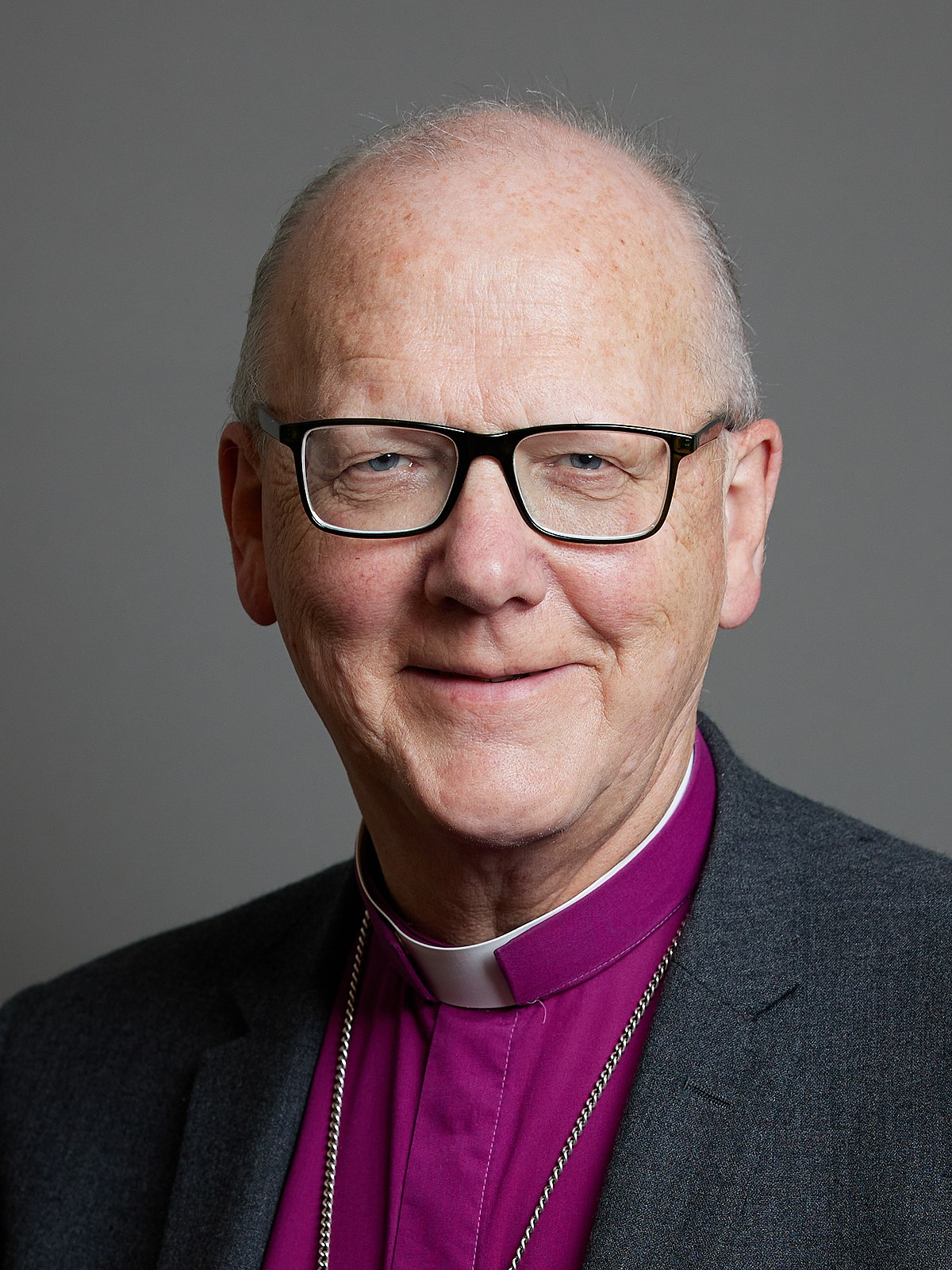
 Nagorno Karabakh: Cluster Munitions
 The Lord Bishop of Southwark: To ask Her Majesty’s Government what representations they have received from the Armenian diaspora about (1) the conflict in the Nagorno-Karabakh region, and (2) the ceasefire agreement brokered by the government of Russia. [HL10643]
 The Lord Bishop of St Albans: To ask Her Majesty’s Government what assessment they have made of the case for the provision of further security guarantees to assist those living in the Nagorno-Karabakh region; and what steps they are taking to monitor and assess clashes and casualties along the ‘line of contact’ in that region. [HL10014]
  On 27th October 2020 the Bishop of Coventry received written answers to two questions, on atrocity prevention training to UK embassy and diplomatic staff in fragile states, and on identity-based violence and the appointment of a Minister to act as a Special Envoy on Genocide:
 The Lord Bishop of St Albans [V]: Does the Minister agree with the interventions made by Pope Francis and the most reverend Primate the Archbishop of Canterbury that call on all parties in the conflict to take concrete steps to resolve this latest clash? Specifically, have Her Majesty’s Government offered to be part of that mediating process? I ask this because we need to find new partners who can offer that mediation if we are to find a way through after so many years of deadlock.
  The Lord Archbishop of Canterbury: My Lords, as I am sure the noble Earl remembers, the Foreign Secretary, in his Guildhall speech, not only called for new capabilities and higher spending, but went on to set the point of these new capabilities when he said that,
 The Lord Bishop of Coventry:
  The Church of England in Parliament
You must be logged in to post a comment.