
On 25th February 2022, the Archbishop of York made a speech in response to the Russian invasion of Ukraine, urging prayers for peace and swift action to support peacemaking:
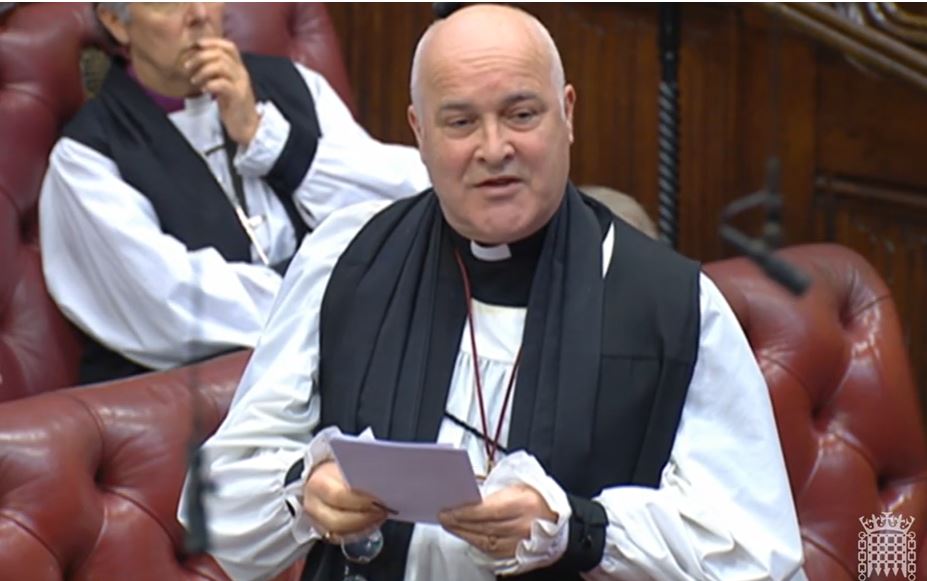
The Lord Archbishop of York: My Lords, noble Lords may have seen that my most reverend friend the Archbishop of Canterbury and I have already spoken about the unprovoked attack on Ukraine as a great act of evil. This is indeed a dark hour for Europe. We have called on Anglican churches to make this coming Sunday a day of prayer for peace and on Tuesday encourage parishes to join the Anglican diocese in Europe in prayer at 6 pm, especially for those who minister and witness for peace in Ukraine itself, where we have chaplaincies and minister alongside other denominations and faith communities. We are all invited to join Pope Francis in making Ash Wednesday—next Wednesday—a day of fasting and prayer for peace.
Perhaps in the West we have taken peace for granted. The horrors being visited on Ukraine must be a wake-up call for us that peace is something you need to work at. What is happening in Ukraine is truly shocking but, sadly, it is not surprising. We have seen it coming. Ukraine now stands alone, unprotected by the treaties that protect us and allow us to believe that peace is a normal state of affairs—but it is not. Peace is a choice, a decision that we make each day about the way we live and about our responsibilities to and with our neighbour, be that in our family, in our community or between the nations of the world. We need the policies, the wisdom, the tenacity and the international resolve that will deliver it.
Continue reading “Archbishop of York speaks about Russian invasion of Ukraine and urges prayer for peace”
 Nagorno Karabakh: Cluster Munitions
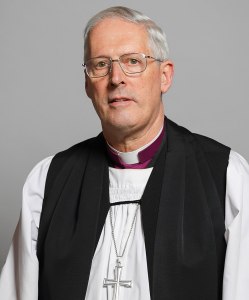 The Lord Bishop of Southwark: To ask Her Majesty’s Government what representations they have received from the Armenian diaspora about (1) the conflict in the Nagorno-Karabakh region, and (2) the ceasefire agreement brokered by the government of Russia. [HL10643]
 The Lord Bishop of St Albans: To ask Her Majesty’s Government what assessment they have made of the case for the provision of further security guarantees to assist those living in the Nagorno-Karabakh region; and what steps they are taking to monitor and assess clashes and casualties along the ‘line of contact’ in that region. [HL10014]
 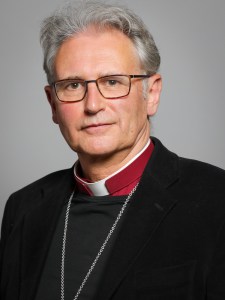 On 27th October 2020 the Bishop of Coventry received written answers to two questions, on atrocity prevention training to UK embassy and diplomatic staff in fragile states, and on identity-based violence and the appointment of a Minister to act as a Special Envoy on Genocide:
 The Lord Bishop of St Albans [V]: Does the Minister agree with the interventions made by Pope Francis and the most reverend Primate the Archbishop of Canterbury that call on all parties in the conflict to take concrete steps to resolve this latest clash? Specifically, have Her Majesty’s Government offered to be part of that mediating process? I ask this because we need to find new partners who can offer that mediation if we are to find a way through after so many years of deadlock.
 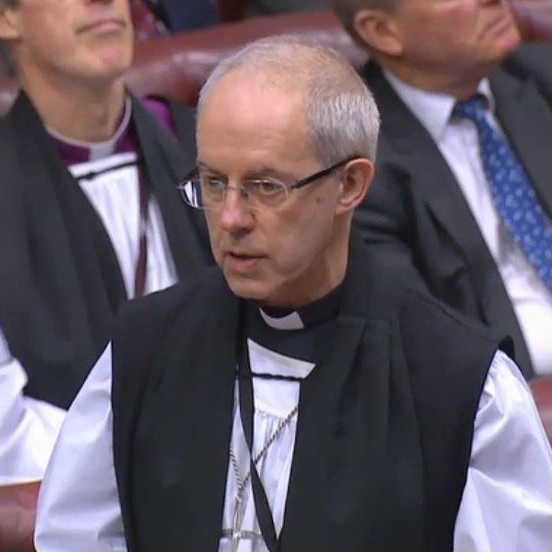 The Lord Archbishop of Canterbury: My Lords, as I am sure the noble Earl remembers, the Foreign Secretary, in his Guildhall speech, not only called for new capabilities and higher spending, but went on to set the point of these new capabilities when he said that,

You must be logged in to post a comment.