
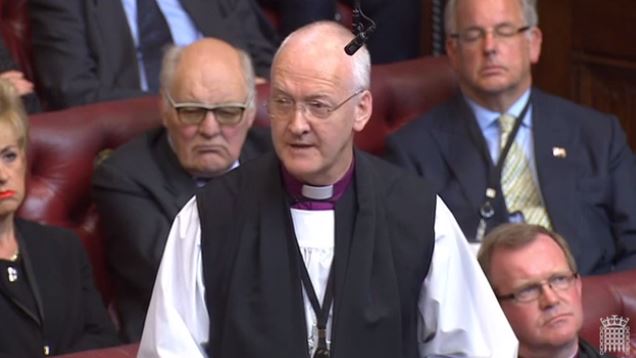
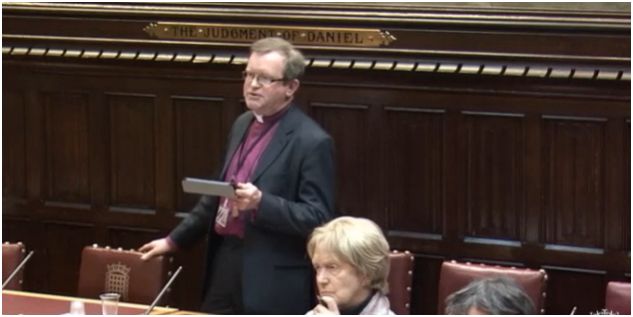
 On 8th November 2016 the House of Lords debated a motion from Liberal Democrat Peer Lord Kirkwood to regret the changes to the benefit cap introduced by the Government and taking effect that week. The Bishop of Leeds, Rt Revd Nick Baines, supported the motion:
Lord Kirkwood of Kirkhope: That this House regrets that the Government have not, in advance of the entry into force of the Benefit Cap (Housing Benefit and Universal Credit) (Amendment) Regulations 2016 (SI 2016/909), made additional support available to those individuals affected by the benefit cap to find work.
The Lord Bishop of Leeds: My Lords, we have heard a number of impressive figures and statistics this evening. It seems to me that the principle underlying all this is that you can save money with one hand but you will pay it out with another. According to End Child Poverty statistics released this month, we have 3.5 million children living in poverty in the United Kingdom in the 21st century. In some regions, up to 47% of children are living in poverty. In my own diocese, in the Bradford local authority area, 32.7% of children are living in poverty after housing costs. The national average is 29%. In Leeds Central, it is 41.8%. If children are living in housing and food poverty—as we know they are from food banks and all the other stuff we see on the ground in our cities, towns and rural areas—then we will end up paying out through the National Health Service and in other ways for the consequences of what children do not have at present. Continue reading “Bishop of Leeds calls on Government to protect children from effects of reduction in benefit cap”
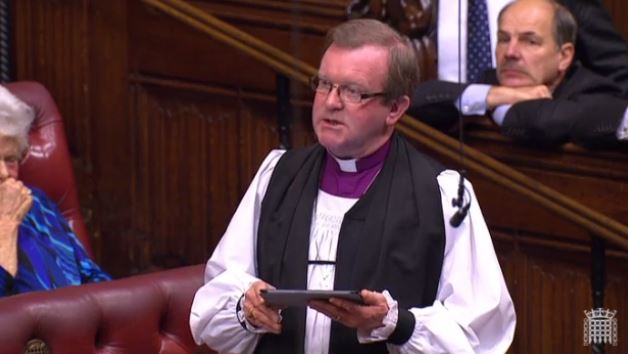
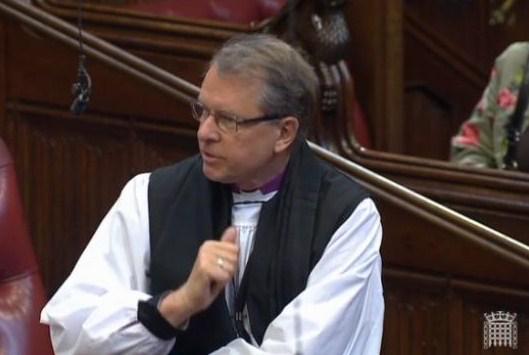
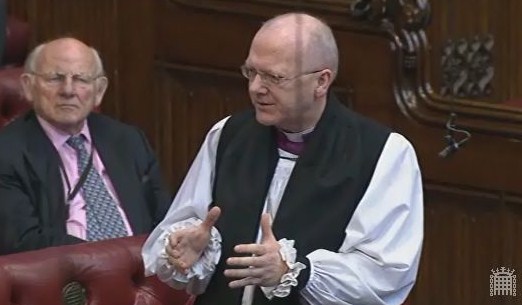
 The Lord Bishop of Durham: My Lords, I support many of the principles underlying this Bill: the importance of personal, as well as collective, responsibility; the value of decent work, not just financially, but for human dignity; the role of the welfare system in encouraging positive behaviours; the recognition that poverty is not simply about lack of income; and the desire for fairness for those who receive from and contribute to the system, including the vast majority of us who do both at different points in our lives. None of these is completely new, but the Government’s approach to welfare reform has certainly reinvigorated the debate about poverty, helping to challenge implicit assumptions and some very tired thinking. Governments naturally want to distinguish themselves, but in seeking to introduce a fresh perspective on old problems, there is always a danger of going too far or of throwing out the good with the bad. That is my concern about some of the measures being discussed today.
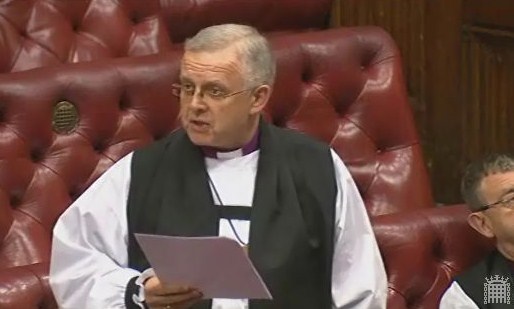
 The Lord Bishop of St Albans: My Lords, back in 2013 the Environment, Food and Rural Affairs Committee urged that social housing in rural areas should be excluded from the underoccupancy charge, because of the near impossibility of finding alternative accommodation in many rural areas, where it is simply is not available for people to downsize. Already people in rural areas have higher social and housing costs, and there is some evidence that the underoccupancy charge is pushing some families further into debt. Will the Minister tell the House whether Her Majesty’s Government would be willing to undertake a reconsideration of their policy and exclude social housing in rural areas from this measure?

You must be logged in to post a comment.