On 29th January 2020 the House of Lords debated a motion from Baroness Tyler of Enfield, “to ask Her Majesty’s Government how they plan to respond to the ten steps to improve social mobility contained in the Sutton Trust’s Mobility Manifesto, published in November 2019, and the recommendations of the Social Mobility Commission’s 2019 State of the Nation report.” The Bishop of Durham, Rt Revd Paul Butler, spoke in the debate:
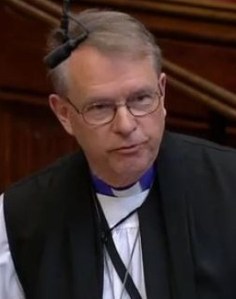 The Lord Bishop of Durham: My Lords, I look forward to the maiden speech of the noble Lord, Lord Choudrey.
Opportunity, aspiration and education are critical to all having the best chance of being socially mobile. Giving children the best start in life is paramount, so we need more health visitors, better-targeted childcare for those least able to afford it and renewed opportunities for parents to interact with others. Will Her Majesty’s Government commit to a proper national early years strategy with an increased share of future spending?
Church of England schools in my diocese have found it difficult to implement our motto that “no child is left behind” because social mobility is a great challenge exacerbated by a poverty of aspiration. According to the Social Mobility Commission’s survey, less than a third of people living in the north-east think that there are good opportunities in our region.
Continue reading “Bishop of Durham asks Government to invest in early years to improve social mobility”

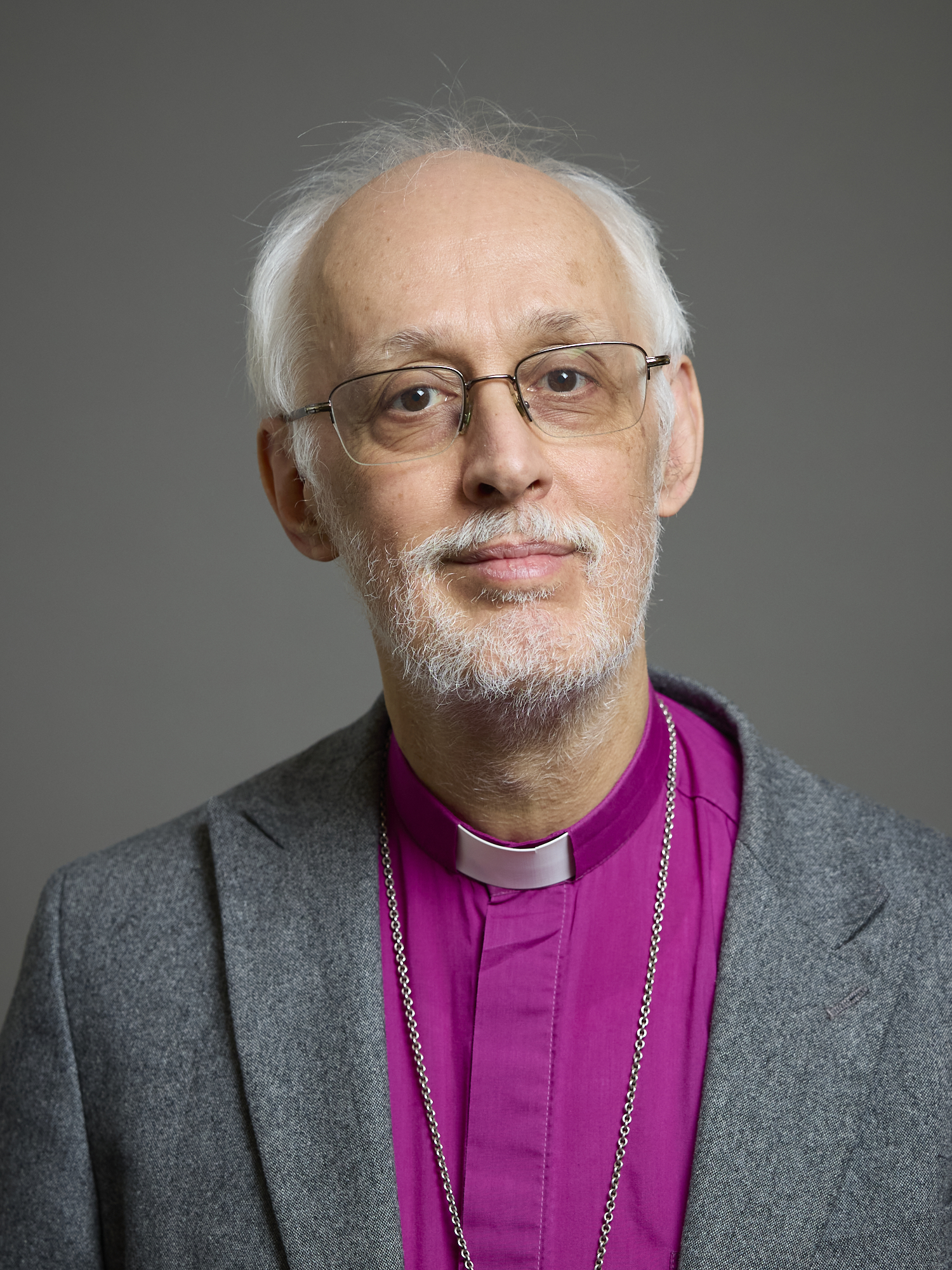

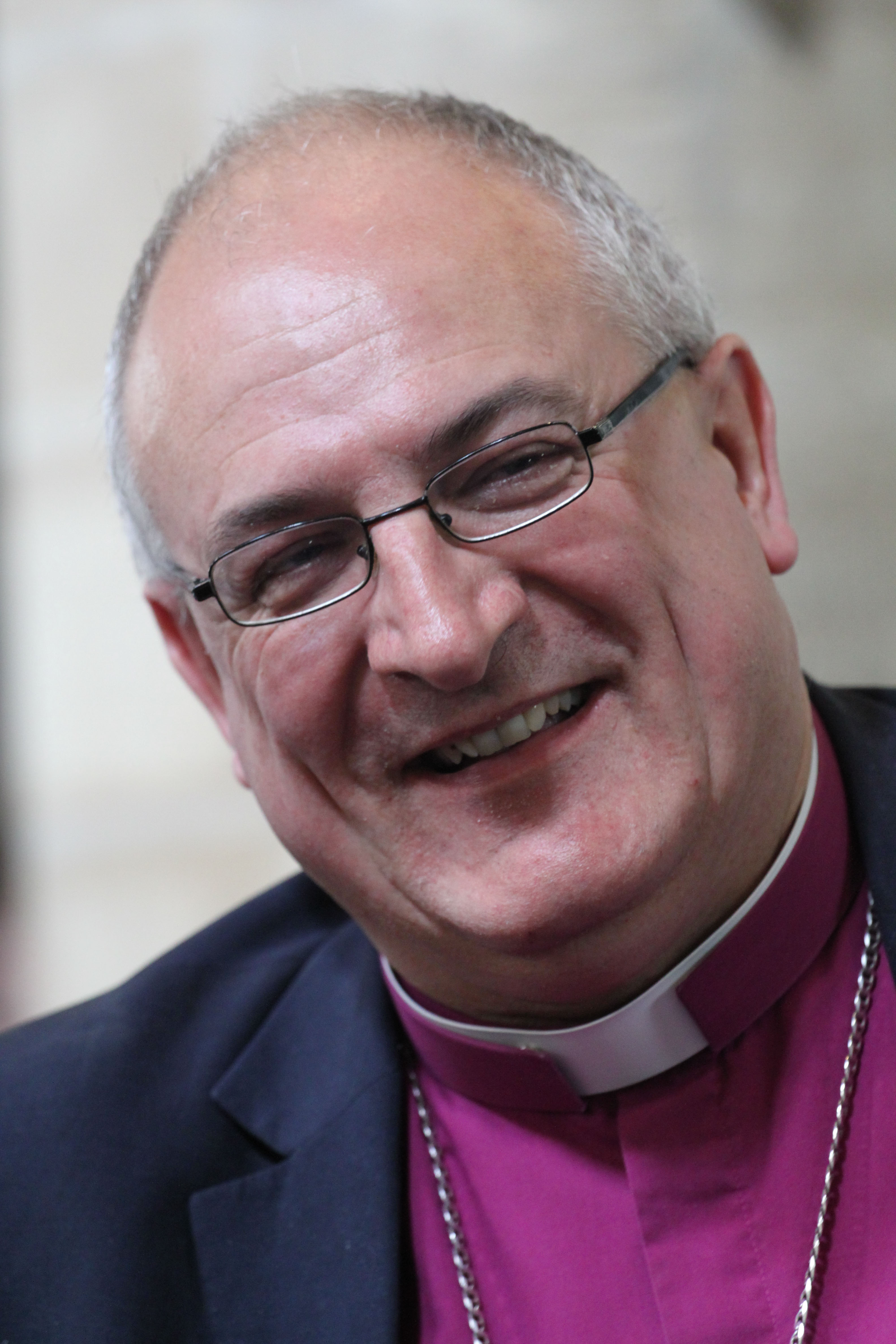
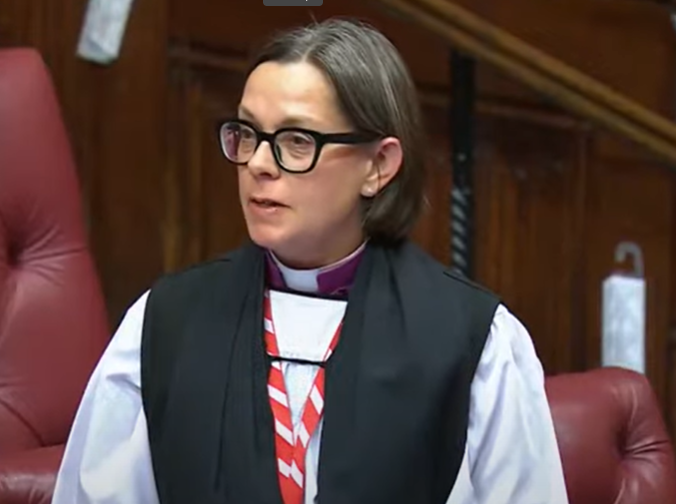
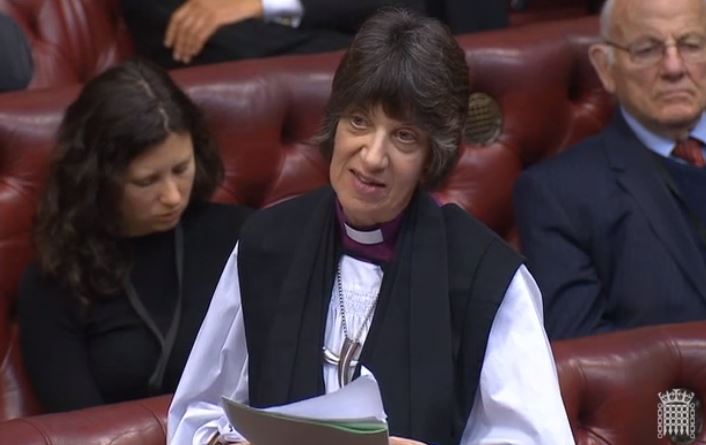
 The Lord Bishop of Worcester [V]: My Lords, I speak today on behalf of the right reverend Prelate the Bishop of Newcastle, who has been delayed travelling to London. Like her, I am very aware of the relationship between child poverty and a lack of social mobility, but she has a special interest as independent chair of the North of Tyne Inclusive Economy Board. Child poverty is central to the Government’s levelling-up agenda. Since 35% of children in the north-east of England live in relative poverty, would the Minister tell us if Her Majesty’s Government will work with the Social Mobility Commission to develop a national child poverty strategy in response to the Covid-19 pandemic?
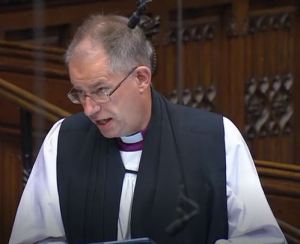 The Lord Bishop of Oxford: My Lords, I welcome this report and it is good to hear the Minister welcome it too. Deprivation is an issue that goes to the core of natural justice, and therefore our common good as a nation. Does the Minister accept in particular the report’s findings that employment interventions are as critical as educational improvement in addressing systematic inequalities and levelling up? What additional steps do the Government propose to take to improve employment opportunities, particularly when facing the current recession, in the cold spots that the report identifies across the nation?
  On 23rd April Lord Lennie asked Her Majesty’s Government “what progress they have made on the appointment of the new Chair and members of the Social Mobility Commission.” The Bishop of Norwich, the Rt Revd Graham James, asked a supplementary question:

You must be logged in to post a comment.