
 On 30th October 2019 the Bishop of Durham, Rt Revd Paul Butler, asked a question about the situation in Yemen, on behalf of the Bishop of St Albans, who was unable to attend:
Lord Bishop of St Albans: To ask Her Majesty’s Government what assessment they have made of the deal brokered by the government of Saudi Arabia in Yemen and the prospects for lasting peace there.
Lord Bishop of Durham: My Lords, I beg leave to ask the Question standing in the name of the right reverend Prelate the Bishop of St Albans, who apologises for the fact that he cannot be in his place today.
The Earl of Courtown (Con): My Lords, the UK welcomes signs of progress through the Saudi-led talks to bring together the Government of Yemen and the Southern Transitional Council to reach a peaceful settlement following the clashes in Aden in August. This has further demonstrated the need for inclusive political talks through the UN-led peace process. The UK urges all parties to engage constructively with the UN special envoy Martin Griffiths to broker a sustainable peace for all of Yemen.
Lord Bishop of Durham: My Lords, I thank the Minister for his response and I share his support for any initiative that brings peace to Yemen, but this deal brokered by the KSA brings only limited opportunities for a peaceful future in the region. After four years and seven months, almost 100,000 people have died—84,000 children from starvation, and 2,500 from cholera. What pressure are Her Majesty’s Government putting on Saudi and Emirati opposites to secure an immediate cessation to the wider war in Yemen?
Continue reading “Bishop of Durham asks Government about Saudi-brokered deal in Yemen”
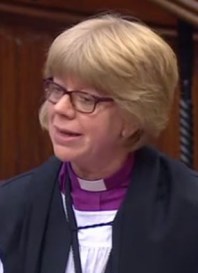 On 29th October 2019 the House debated the second reading of the Health Service Safety Investigations Bill. The Bishop of London, Rt Revd Sarah Mullally, contributed:
 On 29th October 2019 Lord Lee of Trafford asked the Government “what plans they have to replace Victorian-era prisons with more modern facilities.” The Bishop of Winchester, Rt Revd Tim Dakin, asked a follow up question:
 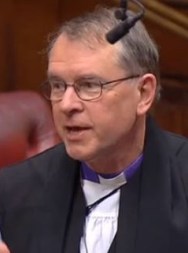 On 28th October 2019 Lord Bethell repeated a Government Statement about the tragic deaths of 39 migrants in Essex. The Bishop of Durham, the Rt Revd Paul Butler, asked a follow-up question:
 On the 28th October the Bishop of Durham, the Rt Revd Paul Butler, received a written answer to questions about English for Speakers of Other Languages.
 This week in the House of Lords was an unusual one as it included the first Saturday sitting in 37 years. During the Saturday sitting the Bishop of Leeds responded to the statement from the Prime Minister about the new Brexit Deal. Other bishops spoke this week about the churches role in Health and Social Care in, about freedom of movement of EU and UK citizens and the current political situation in Hong Kong. Bishops also asked questions about the taxation of air-fuel, the ending of cash withdrawal by Barclays from the Post Office and received written answers to questions about the Indian Constitution and Kashmir and the Government’s plans for English language education.
 On the 24th October 2019 Lord Alton hosted a debate in the House of Lords about the current political situation in Hong Kong. The Bishop of Salisbury, the Rt Revd Nicholas Holtam spoke in the debate about the church in Hong Kong, the importance of identity and the need to stand alongside those to whom we have not just a historic but a present commitment, to encourage the keeping of treaties and international law, and the finding of a peaceful resolution to the present conflicts.
 On the 24th October the Bishop of Durham, the Rt Revd Paul Butler received a written answer to his question about the new national strategy for teaching English language learning.
  On 24th October 2019 Baroness Randerson asked the Government “what plans they have to encourage more people to travel by bus”. The Bishop of St Albans, Rt Revd Alan Smith asked a supplementary question about public transport and air pollution:
 On 23rd October 2019 Lord Duncan of Springbank moved a Statutory Instrument for approval entitled “Freedom of Establishment and Free Movement of Services (EU Exit) Regulations 2019”. The Bishop of Salisbury, Rt Revd Nicholas Holtam, responded to the debate and subsequent regret motion from Lord Stevenson of Balmacara.

You must be logged in to post a comment.