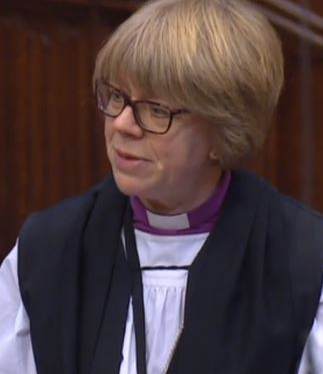
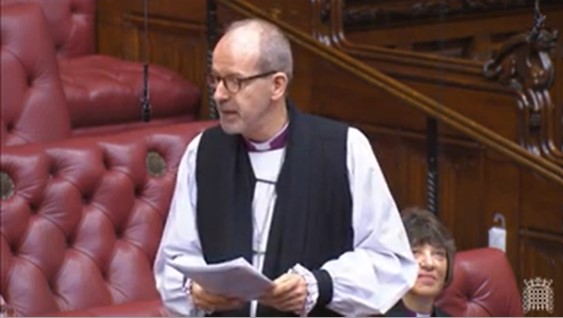
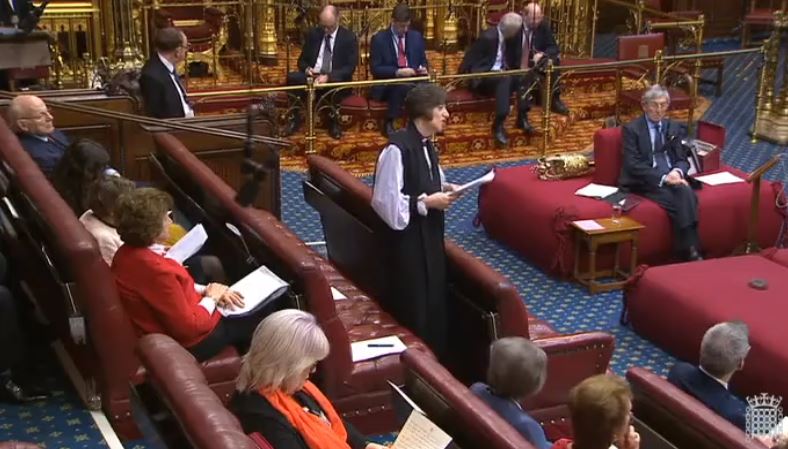
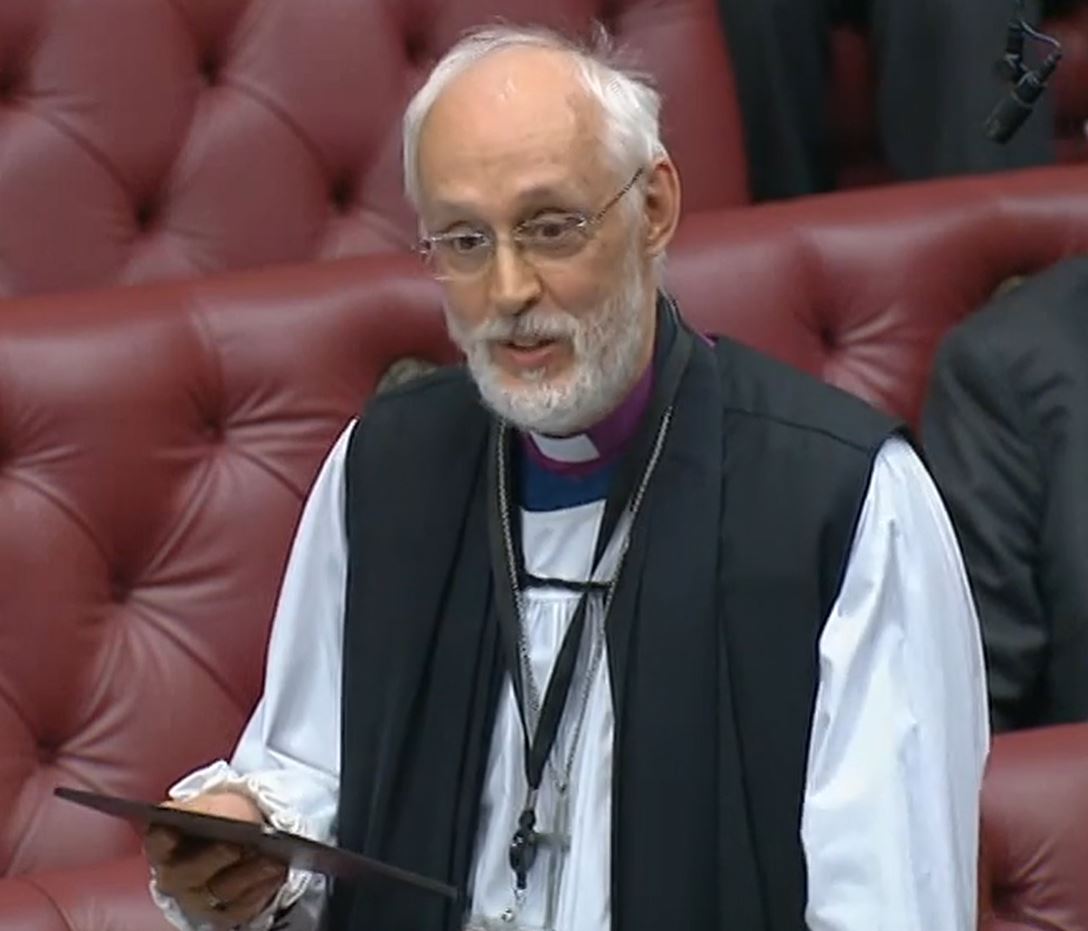
The Bishop of Leeds spoke in a debate on amendments to the Media Bill on 20th May 2024, during a discussion on sports broadcasting, raising the importance of audiences encountering content that challenges preconceptions and introduces new ideas:
The Lord Bishop of Leeds: My Lords, surely at a time when we want children to get away from the telly and actually do sports, it is right that they be confronted by sports that they may know nothing about. Was it not curling, whatever that is, which became very popular and captured the imagination? Most of us could not believe that there was a sport where you push something along in that way.
On 20th May 2024, the House of Lords debated amendments to the Media Bill. The Bishop of Newcastle spoke in support of two amendments to the bill tabled by Baroness Fraser of Craigmaddie aimed at ensuring regional diversity in broadcasting, emphasising the importance of intentionality in supporting the arts and creative industries:
The Lord Bishop of Newcastle: My Lords, I rise to speak to Amendments 16 and 17, tabled by the noble Baroness, Lady Fraser of Craigmaddie, to which I am pleased to have added my name in support.
Our country is one of diversity. The four nations that make up the UK include many regions, each with its own culture, sense of humour, accent, concerns and interests. As public service broadcasters are owned by the whole of the UK public, it is important that they truly reflect the public they serve in all their regional diversity.
The Bishop of Chelmsford gave a speech at the second reading of the Renters Reform Bill on 15th May 2024, calling for comprehensive reforms on housing as part of a long term strategy encompassing all tenures, and lamenting the removal of parts of the bill abolishing section 21 evictions:
The Lord Bishop of Chelmsford: My Lords, it is a pleasure to follow the noble Lord, Lord Best, from whose wisdom and experience I have personally gained such a lot. I am grateful for his contribution today. I declare my interest as the Church of England’s lead bishop for housing. Also, as I am in clergy-tied housing myself, my retirement house is currently let to a long-term tenant.
My starting place is that good homes are the building blocks of strong communities. Bad homes threaten mental and physical well-being, hinder personal and economic development, and compromise safety. Everyone needs a good home so that we have a good society where people can flourish. As others have said, there is much to welcome in the Bill. Private renting is the most insecure and expensive tenure, and it requires significant reform. I am pleased that the decent homes standard will be applied to the private rented sector for the first time. I am also pleased that the Government have tabled amendments to prohibit landlords and letting agencies from discriminating against families with children and people in receipt of benefits. I will seek more details on how this will work in practice.
On 14th May 2024, the House of Lords debated Commons reasons and amendments to the Digital Markets, Competition & Consumers Bill. Votes were held on further Lords amendments to the bill, in which Bishops took part:
The Bishop of Manchester spoke at the second reading of the Post Office (Horizon System) Offences Bill on 13th May 2024, supporting the intent of the bill and commenting on the importance of safeguarding the rule of law whilst ensuring the swift exoneration of the victims of the Horizon scandal:
The Lord Bishop of Manchester: My Lords, I admit to being a little nervous as a non-lawyer entering a debate that has already heard from so many distinguished minds. Some may think that they have heard enough from the lawyers and do not need to hear from me.
I am grateful to the Minister for introducing the Bill. I concur with other noble Lords in hoping that it will be swiftly passed into law. The many victims of this long-running scandal and injustice must now benefit without further undue delay. As the noble Lord said in opening this debate, Parliament is not the usual route by which we overturn wrongful convictions. I echo others today, as well as what I have said in debates on other matters, in believing that we need to tread very carefully when acting in ways that move us on to territory more normally occupied by the courts and the judiciary. That is particularly important in Britain, because we give such huge weight to precedent. The Minister has, I am pleased to note, assured us that this Bill should not be considered a setting of precedent, and others have concurred. However, I think that that aspect of what we are doing merits, albeit briefly, deeper consideration. What one Government do today, no matter how warily, may be drawn on by future Governments in ways that stretch the original intentions well beyond breaking point. Our best defence against that, perhaps our only defence, is to set down very clear principles, not merely general assertions, at the outset.
On 8th May 2024, the House of Lords debated the Media Bill in committee. The Bishop of Leeds spoke in support of a group of amendments on standards requirements for public service broadcasters, stressing the need for detailed terms of reference in public service broadcasting:
The Lord Bishop of Leeds: My Lords, I support the first four amendments in this group—Amendments 1 to 3 and 7—and will not repeat what has been said so far in the excellent two speeches. However, I support them for a different reason: I think that they lay the ground for later amendments, particularly Amendments 9, 13 and 32. I will make a serious point about those amendments now, partly because I may have to be on a train when the Committee gets to them.
If we take seriously the Reithian principles to inform, educate and entertain, it means doing what the inscription from George Orwell outside the BBC spells out: that people are enabled to be confronted by, or to hear and see things, that
On 30th April 2024, the House of Lords debated amendments to the Victims and Prisoners Bill. The Bishop of Lincoln spoke in support of an amendment tabled by Lord Ponsonby, which “would require public authorities, public servants and officials to act in the public interest and with transparency, candour and frankness when carrying out their duties in relation to major incidents”, referencing the aftermath of the Hillsborough disaster and stressing the importance of candour in responses from public bodies:
The Lord Bishop of Lincoln: My Lords, I support the amendment tabled by the noble Lord, Lord Ponsonby. My right reverend friend the Bishop of Manchester is also a strong supporter of this amendment, which he has signed, and he regrets that he cannot be in his place today to speak to it himself.
On 30th April 2024, the House of Lords debated the Victims and Prisoners Bill in the report stage. Votes were held on amendments to the bill, in which Bishops took part:
On 24th April 2024, the House of Lords debated the Leasehold and Freehold Reform Bill in Committee. The Bishop of Manchester moved his amendment 28 to the bill, and made a speech in support of the amendment, which “would provide that, where the freeholder in the case of a lease extension or freehold enfranchisement is a charity which had owned the freehold interest since before the passing of the Bill, marriage and hope value are payable.”
The Lord Bishop of Manchester: My Lords, while I thoroughly enjoyed that previous group, I hope this one will not prove quite so wide-ranging. In tabling these amendments, my aim is to deal with an issue that in the charity world is specific to a small number of bodies but would severely impact the work that they do. First, I am a leaseholder myself, as it happens, as set out in the register of interests. I have been through the process of extending my lease; my flat is not in London, and it was quite a simple and cheap process. Secondly, although I am no longer on the board of governors of the Church Commissioners, it is the body that pays my stipend, owns my home and covers my working expenses, so I declare that interest too.
The commissioners are directly affected by the proposals in the Bill. They would indeed benefit from my amendments but, as has already been mentioned by the noble Lord, Lord Truscott, in the previous group, that charity is large enough to withstand the adverse impact. Smaller charities would struggle much harder to maintain their work, and it is their case I seek to plead today.
You must be logged in to post a comment.