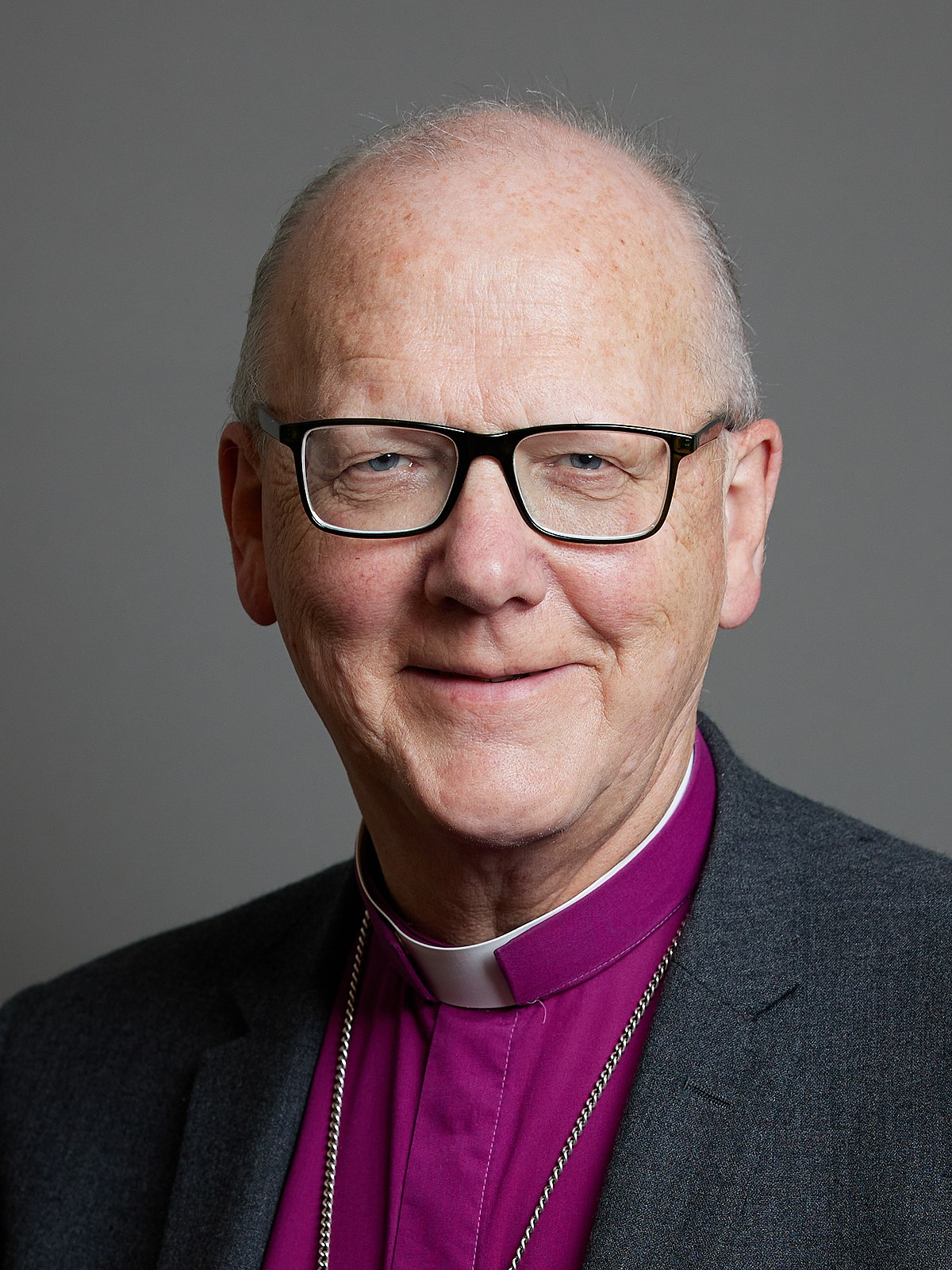
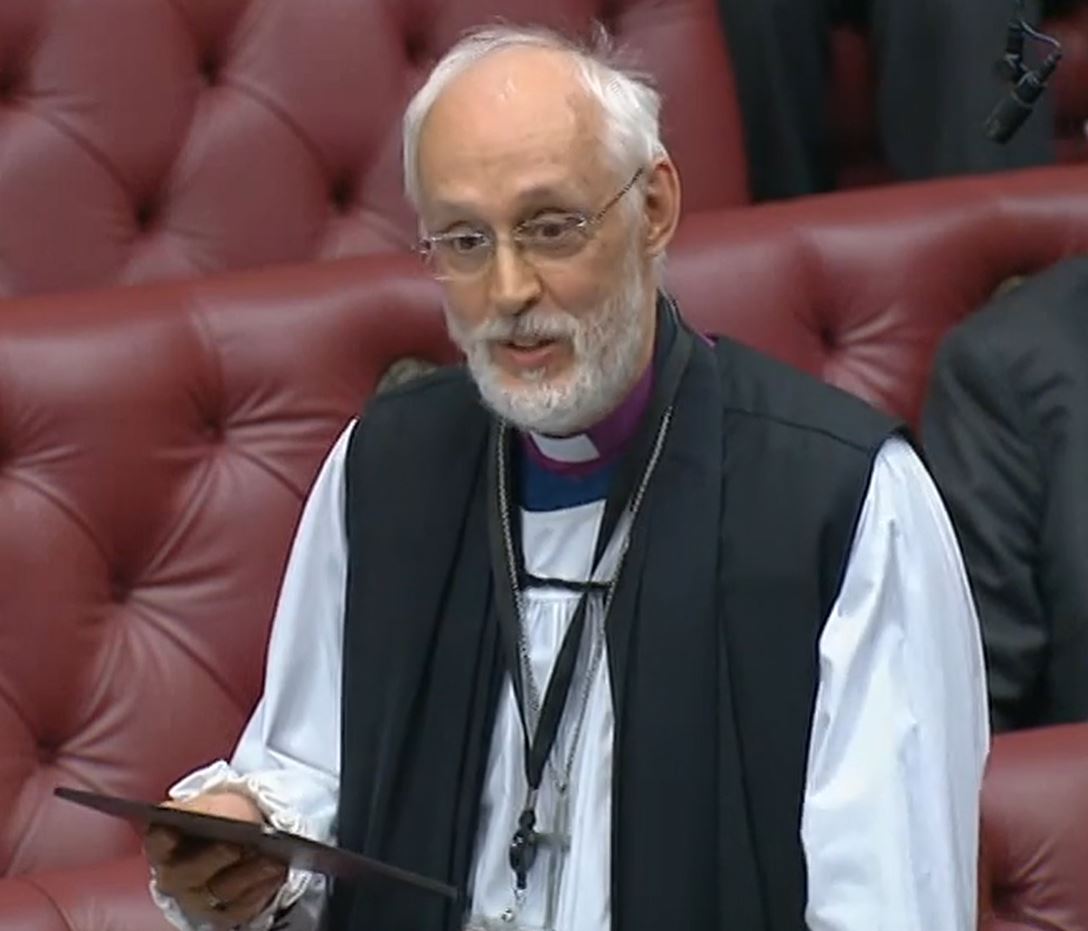
Bishop of Norwich asks about development assistance rates

The Bishop of Norwich received the following written answer on 19th February 2024:

The Lord Bishop of Norwich asked His Majesty’s Government, following the Autumn Statement 2023, what assessment they have made of the suitability of the economic climate to enable them to return Official Development Assistance to 0.7 per cent of gross national income.

Baroness Vere of Norbiton (Con, Treasury): The government remains committed to returning to a target of spending 0.7% of GNI on ODA when, on a sustainable basis, the government is not borrowing for day-to-day spending and underlying debt is falling.

Hansard

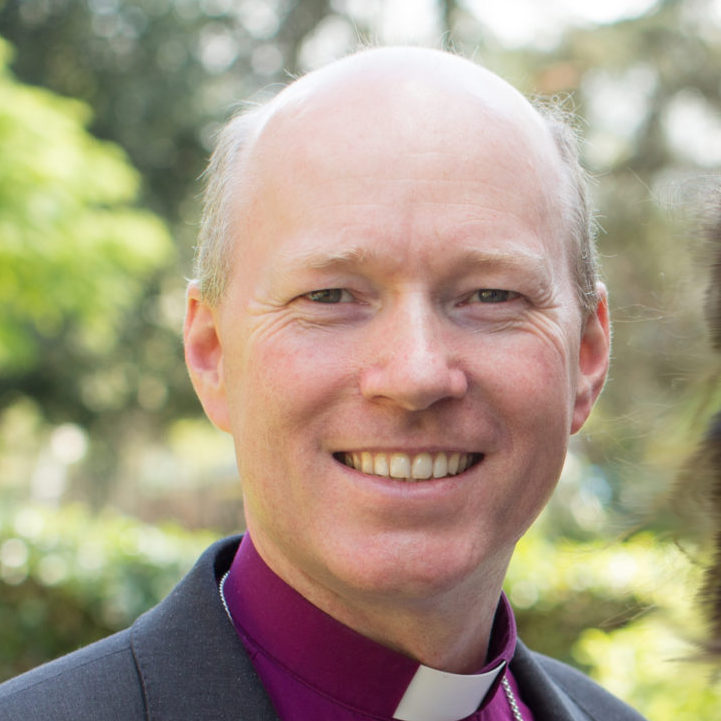
Bishop of St Albans asks about humanitarian aid to Ethiopia

The Bishop of St Albans received the following written answer on 19th February 2024:

The Lord Bishop of St Albans asked His Majesty’s Government how much money was allocated to tackling humanitarian crises in Ethiopia in (1) 2019–20, (2) 2020–21, (3) 2021–22, and (4) 2022–23.

Lord Benyon (Con, Foreign Office): The UK has been an overseas development assistance (ODA) donor to Ethiopia over the last four years.

Continue reading “Bishop of St Albans asks about humanitarian aid to Ethiopia”

Bishop of St Albans asks about support for persecuted religious minorities in Pakistan

The Bishop of St Albans received the following written answer on 19th February 2024:

The Lord Bishop of St Albans asked His Majesty’s Government whether any UK aid to Pakistan is directed specifically towards supporting persecuted religious minorities; and if so, how much.

Lord Ahmad of Wimbledon (Con, Foreign Office): We prioritise our aid to achieve maximum impact for the people of Pakistan in line with our strategic priorities, including promoting the rights of religious minorities. Examples include our Aawaz II programme, which is allocated £39.5 million (2018-2024) and brings together community leaders and minority representatives to promote tolerance; and our Hate Speech and Disinformation programme, which works to protect marginalised communities from hate speech online.

Hansard

Bishop of St Albans asks about training on freedom of religion and belief for those in the diplomatic service

The Bishop of St Albans received the following written answer on 19th February 2024:

The Lord Bishop of St Albans asked His Majesty’s Government what plans they have to put in place mandatory training for diplomats on Freedom of Religion and Belief.

Lord Ahmad of Wimbledon (Con, Foreign Office): In July 2021, the Prime Minister’s Special Envoy for Freedom of Religion and Belief (FoRB), Fiona Bruce, MP, and I, launched the FCDO International Academy’s training module “Religion for International Engagement,” delivering recommendation 11 of the Bishop of Truro’s review of FCDO support for persecuted Christians. The training is essential for FCDO diplomats, and highly recommended for all FCDO staff. The training is also available to all civil servants.

Hansard

Bishop of St Edmundsbury and Ipswich asks about county council funding

The Bishop of St Edmundsbury and Ipswich asked a question on 14th February 2024 concerning the issue of funding for county councils, drawing on an example from Suffolk County Council and stressing the need for advance communication of finances to allow for forward planning:

The Lord Bishop of St Edmundsbury and Ipswich: My Lords, may I return to the issue of reforming the model? I have recently been caught up in discussions with Suffolk County Council about funding cuts it was making to its arts programmes. That drew me into detailed discussions about what its priorities were and the challenges it was facing. It said that two things would make a huge difference. The first was knowing further in advance what it might receive; it was looking for a three-year projection. The second was for the groundwork for the reform to which the Minister has been referring to be done now, rather than in the future.

Continue reading “Bishop of St Edmundsbury and Ipswich asks about county council funding”

Bishop of St Albans asks about religious minority participation in elections in India and Pakistan

The Bishop of St Albans received the following written answer on 14th February 2024:

The Lord Bishop of St Albans asked His Majesty’s Government what representations they have made to the governments of (1) India, and (2) Pakistan, to ensure that religious minorities are not denied their right to vote in upcoming elections in those countries.

Lord Ahmad of Wimbledon (Con, Foreign Office): We regularly engage with the Government of Pakistan to advance our key priorities and interests, including upholding democracy through inclusive elections.

Continue reading “Bishop of St Albans asks about religious minority participation in elections in India and Pakistan”

Bishop of Southwark asks about current events in Israel, Gaza, and the West Bank

The Bishop of Southwark received the following written answers on 14th February 2024:

The Lord Bishop of Southwark asked His Majesty’s Government what representations they have made to the government of Israel to ease its restrictions on the free movement of Palestinian people within the West Bank and from the West Bank to Israel.

Lord Ahmad of Wimbledon (Con, Foreign Office): We expect Israel to fulfil its obligations as an occupying power, and we are concerned by the restrictions on the free movement of Palestinians in the West Bank. In our engagements with Israel, we have stressed to them the damage the restrictions on movement, access, and trade are doing to the living standards of ordinary Palestinians.

Continue reading “Bishop of Southwark asks about current events in Israel, Gaza, and the West Bank”

Bishop of Durham asks about growing tensions between Rwanda and Burundi

The Bishop of Durham received the following written answer on 14th February 2024:

The Lord Bishop of Durham asked His Majesty’s Government what assessment they have made of relations between Rwanda and Burundi and the closure of the border between the two countries; and what steps they are taking to help prevent further escalation of tension in the region. [HL2070]

Continue reading “Bishop of Durham asks about growing tensions between Rwanda and Burundi”

Bishop of St Albans asks about unauthorised tankers in the English Channel

The Bishop of St Albans received the following written answers on 14 February 2024:

The Lord Bishop of St Albans asked His Majesty’s Government what assessment they have made of the number of ships in the ‘dark fleet’ passing through the English Channel carrying Russian oil and oil products in (1) 2020, (2) 2021, (3) 2022, and (4) 2023.

Lord Davies of Gower (Con, DfT): Definitions of the ‘shadow fleet’ or ‘dark fleet’ vary and so it is not possible to provide accurate figures in relation to the English Channel. This practice has emerged since the introduction of the Russian Oil Services ban and Oil Price Cap Exception by the Price Cap Coalition of the G7, the European Union and Australia in December 2022.

Continue reading “Bishop of St Albans asks about unauthorised tankers in the English Channel”

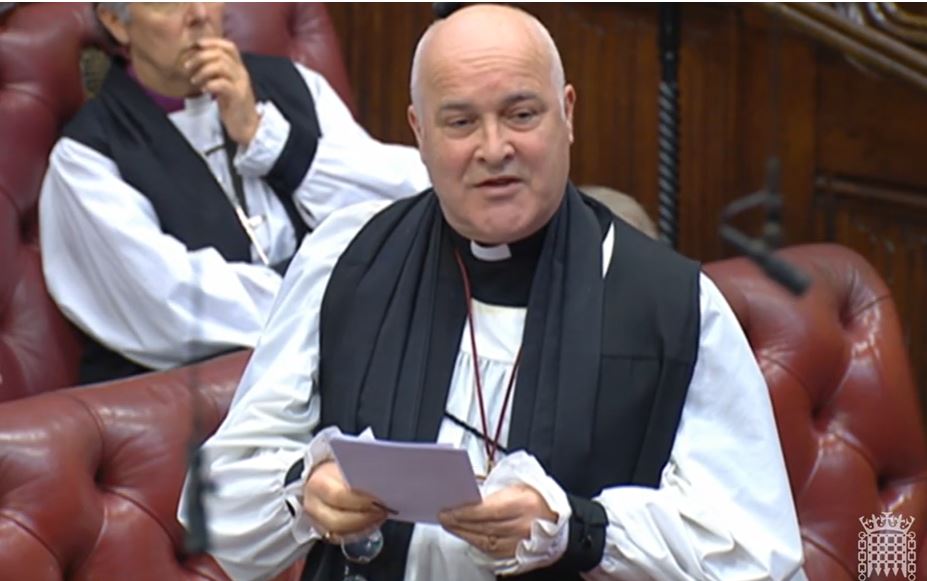
Archbishop of York asks about reasons for increased policing of face-masks at protests

The Archbishop of York asked a question on the issue of face masks being worn at protests on 13th February 2024, following a government statement on new measures being introduced to police these activities:

The Lord Archbishop of York: My Lords, like others, I entirely share the views about war memorials and their desecration, and fireworks and flares—there is a lot that is sensible in this. On face coverings, what concerns me is the law which we often do not often think about—the law of unintended consequences. To those dissidents, I would add religious minorities to the list of those who may be concerned about this. I wonder whether the effect of this will be that more people will wear face coverings, not fewer, because they are concerned about facial recognition. I find it hard to understand why this should be a matter for the law. If somebody commits a criminal offence while on a march, we already have the powers to deal with them. If somebody on a peaceful protest chooses to wear a face covering, I find it hard to understand why that, in and of itself, is a problem. The Minister has explained that this will be used only under certain circumstances, but if I have heard him correctly it is around the “risk” of criminal activity and violence. We do not arrest people because we think that they might be doing something. If the protest is peaceful, why should somebody not wear a face mask? I am struggling to understand why this has become such an issue, and I am concerned about minority groups who could be adversely affected by this.

Continue reading “Archbishop of York asks about reasons for increased policing of face-masks at protests”