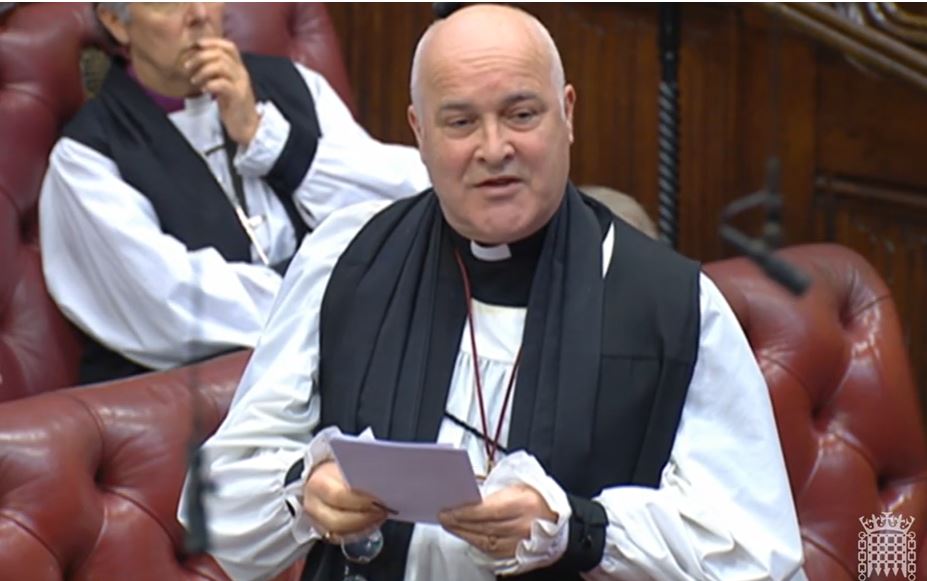
Archbishop of Canterbury asks about support for Jordan during current conflict in Israel, Gaza, and the West Bank

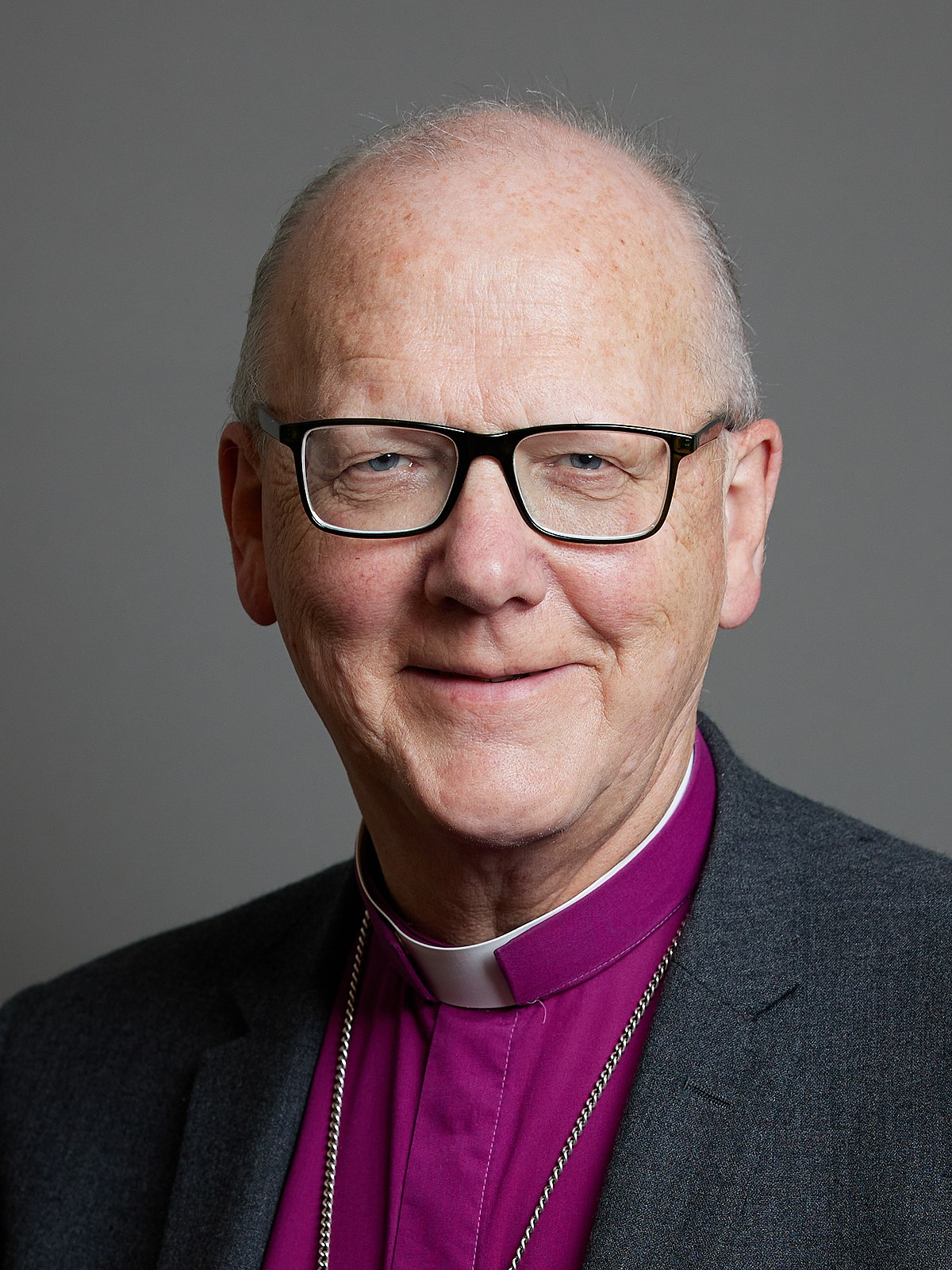
The Archbishop of Canterbury asked a question on what support is being given to Jordan under the pressures of conflict in the West Bank on 13th February 2024, during a session of questions to the foreign secretary on the UK’s future recognition of a Palestinian state:

The Lord Archbishop of Canterbury: My Lords, I welcome very strongly the continued emphasis by the Secretary of State on the two-state solution, and his condemnation of the Hamas terrorist group and his call for the liberation of hostages, as was echoed in a statement this morning from the Bishops. But it is not only in Gaza that we are seeing tragedy; we are seeing it in the West Bank, where it is almost forgotten that very large numbers of Palestinians have been killed by people who live in illegal settlements. One of the countries most affected by that is the Hashemite Kingdom of Jordan. First, what support are His Majesty’s Government giving to the Hashemite Kingdom of Jordan, given its vulnerability and its significant responsibility as guardian of the holy places? If it comes under significant pressure, that would widen the conflict appallingly and dramatically. Secondly, what are the practicalities for Jordan in preparing for or aiding a two-state solution, where the flow of refugees towards it—and it has taken something like half its population in refugees—would be a very threatening process for its destabilisation?

Continue reading “Archbishop of Canterbury asks about support for Jordan during current conflict in Israel, Gaza, and the West Bank”

Archbishop of York asks about non-consensual creation and sharing of intimate images

On 13th February 2024, during a discussion on the proliferation of AI being used to create intimate images without consent, the Archbishop of York raised a point of clarification on the difference between malicious and non-malicious sharing of these images:

The Lord Archbishop of York: My Lords, it would be very helpful if the Minister could explain. If I heard him correctly, he said that sharing has a six month ban but for malicious sharing it could be up to two years. Could he explain what non-malicious use would be?

Continue reading “Archbishop of York asks about non-consensual creation and sharing of intimate images”

Bishop of Lincoln asks about methods of improving school attendance

The Bishop of Lincoln asked a questions about application of data analysis to improve pupil attendance and experience in schools on 13th February 2024, during a discussion on the potential of Ofsted reviewing pupil absence rates as part of their inspections:

The Lord Bishop of Lincoln: My Lords, I express gratitude to the Minister for the way in which the data has been produced; I understand that more is to come, and that will be examined in great detail. As an unrepentant pedant, though, I am as interested in the adverbs as the nouns—in how the data is to be applied. How do we get more children across the line in terms of the culture of school? Some years ago, the Children’s Society’s Young Commissioners looked deeply into child poverty in school and how children are identified as those, for instance, receiving free school meals or who are not able to purchase the very expensive school uniforms from the agreed seller. How is school culture being encouraged by government further to change in order to get children across the line? How, indeed, do we expect Ofsted to become the “office of encouragement”?

Continue reading “Bishop of Lincoln asks about methods of improving school attendance”

Bishop of St Albans asks about evictions of indigenous people in Tanzania

The Bishop of St Albans received the following written answer on 13th February 2024:

The Lord Bishop of St Albans asked His Majesty’s Government what assessment they have made of reports of forced evictions by the government of Tanzania of indigenous peoples living in Ngorongoro Conservation Area and in the vicinity of Ruaha National Park.

Continue reading “Bishop of St Albans asks about evictions of indigenous people in Tanzania”

Bishop of St Albans asks about access to essential services for rural communities

The Lord Bishop of St Albans received the following written answer on 13th February 2024:

The Lord Bishop of St Albans: To ask His Majesty’s Government what assessment they have made of the impact of the proposed ‘taxi tax’ on rural communities accessing essential services, particularly healthcare.

Continue reading “Bishop of St Albans asks about access to essential services for rural communities”

Bishop of St Albans asks about the risk of famine in Ethiopia

The Bishop of St Albans received the following written answer on 13th February 2024:

The Lord Bishop of St Albans asked His Majesty’s Government what assessment they have made of (1) the joint report by the UN World Food Programme and Famine Early Warning Systems Network Ethiopia – Food Security Outlook 2023-24: Food assistance needs remain high amid slow recovery of livelihoods in 2024, published in October 2023, which found that “Crisis (IPC Phase 3) and Emergency (IPC Phase 4) outcomes are expected in northern, southern, and southeastern Ethiopia through at least early 2024”, and (2) the risk of famine in Tigray.

Continue reading “Bishop of St Albans asks about the risk of famine in Ethiopia”

Bishop of Chelmsford asks about plans to house asylum seekers at MOD Wethersfield

The Bishop of Chelmsford received the following written answers on 13th February 2024:

The Lord Bishop of Chelmsford asked His Majesty’s Government what is the schedule for, and availability of, transport provided to residents of MDP Wethersfield to leave the site.

Lord Sharpe of Epsom (Con, Home Office): Those living at the site are able to come and go. The process for leaving the site is the same as the rest of our asylum accommodation.

Continue reading “Bishop of Chelmsford asks about plans to house asylum seekers at MOD Wethersfield”

Bishop of Lincoln asks about SEND diagnosis process for children and families

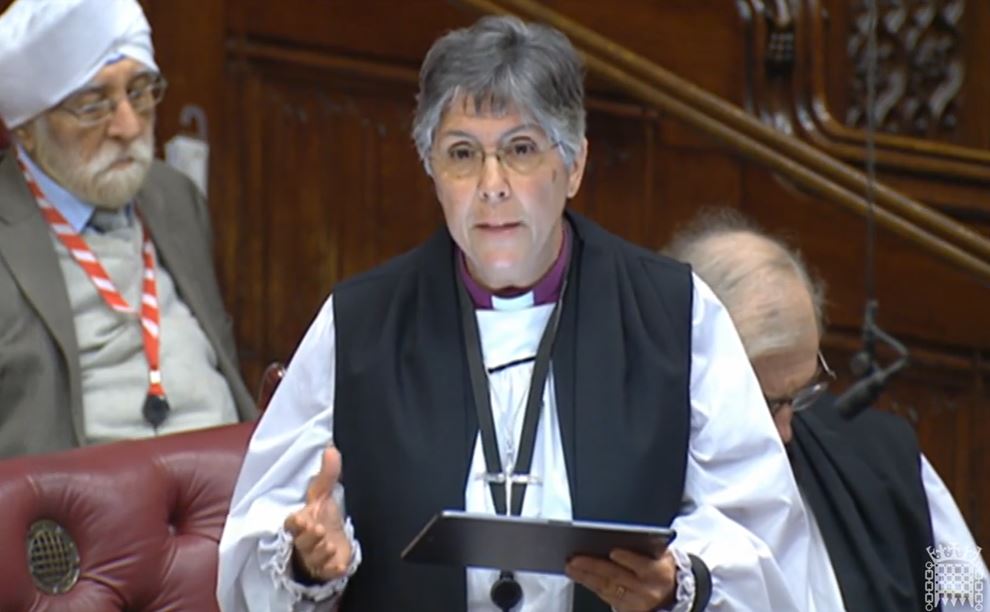
The Bishop of Lincoln asked a question on support for families in the process of receiving special educational needs diagnoses and provision for their children on 12th February 2024:

The Lord Bishop of Lincoln: My Lords, I welcome everything that the Minister has said, but we all know that, even with the initial screening online, a full diagnosis for many children with any of these needs can take years to confirm. I am interested in what the noble Baroness has to say about how families—and the children themselves—are accompanied through several years of negotiation with the NHS and with local authorities, especially when, as has already been said, certainly in Lincolnshire, staffing costs outstrip the need that is expressed within our schools.

Continue reading “Bishop of Lincoln asks about SEND diagnosis process for children and families”

Bishop of Southwark asks about current conflict in Israel and Gaza, and the situation in Jerusalem

The Bishop of Southwark received the following written answers on 12th February 2024:

The Lord Bishop of Southwark asked His Majesty’s Government, further to their statement on 27 January that they have “considerable concerns” about the International Court of Justice ruling on 26 January regarding the case of genocide against Israel, what assessment they have made of that ruling; and what representations they have made to the government of Israel concerning compliance with it.

Continue reading “Bishop of Southwark asks about current conflict in Israel and Gaza, and the situation in Jerusalem”

Church Commissioners Written Questions: Independent Safeguarding Board, Charity Commission Reports, Church Security

On 8th February 2024, Andrew Selous MP, representing the Church Commissioners, gave the following written answers to questions from MPs:

Independent Safeguarding Board

Mr Ben Bradshaw MP (Lab, Exeter): To ask the Member for South West Bedfordshire, representing the Church Commissioners:

  • how many and what proportion of the case reviews that the Independent Safeguarding Board agreed to undertake have been commissioned by the interim commissioner of independent reviews.
  • whether the commissioners have had recent discussions with (a) the Archbishops’ Council and (b) other stakeholders on the commissioning of case reviews that the Independent Safeguarding Board agreed to undertake; what the timescale is for case reviews commissioned by the interim commissioner of independent reviews; and what steps are being taken to ensure the adequacy of such reviews.
  • whether the commissioners have had discussions with the Archbishops’ Council on the potential impact of recommendations from case reviews commissioned by the interim commissioner of independent reviews on earlier cases.
Continue reading “Church Commissioners Written Questions: Independent Safeguarding Board, Charity Commission Reports, Church Security”