Bishop of Chichester calls for more investment in music education in schools

On 18th October 2018 the House of Lords debated a motion from Lord Black of Brentwood “that this House takes note of the state of music education in schools.” The Bishop of Chichester, Rt Revd Martin Warner, spoke in the debate:
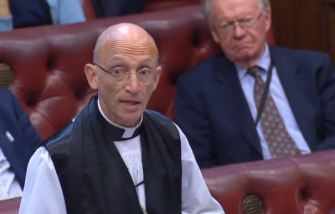
Chichester190718The Lord Bishop of Chichester: My Lords, I am grateful to the noble Lord, Lord Black, for his magnificent introduction to this debate, and for the opportunity for us to remind ourselves of the vital importance of music and the arts generally to the creative industries and the life of our nation.

The decline in funding for music in schools, and in its take-up at GCSE and A-level, has already been identified and the crisis we now face has been rehearsed. I add my voice to those who have called for a thorough review, and possibly the abolition of the EBacc as a means of addressing the situation. Continue reading “Bishop of Chichester calls for more investment in music education in schools”
Archbishop speaks on freedom of expression, religious intolerance and prejudice in the UK

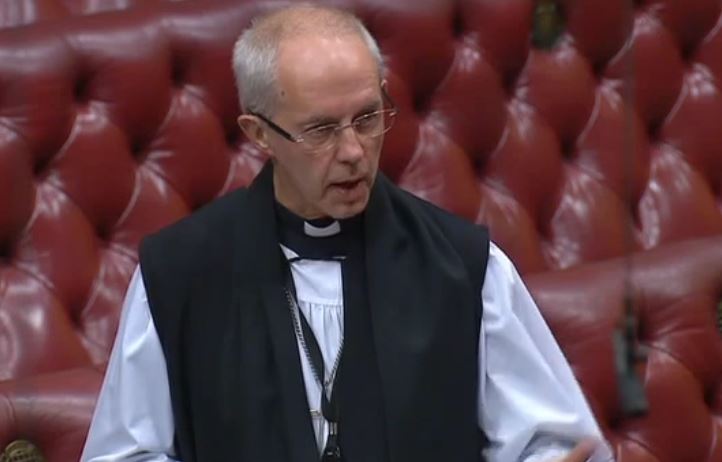
On 17th October 2018 the House of Lords debated a motion from Communities Minister Lord Bourne of Aberystwyth, “That this House takes note of the challenges posed by religious intolerance and prejudice in the United Kingdom.” The Archbishop of Canerbury, Most Revd Justin Welby, spoke in the debate. A transcript is below, with excerpts from the speeches of others in the debate:
The Archbishop of Canterbury: My Lords, I am grateful to the noble Lord, Lord Bourne, and others who have made this useful and important debate possible. Like the noble Lord, Lord Hain, I agree with much of what the noble Lord, Lord Bourne, said. I agree also with the passionate and clear setting out by the noble Lord, Lord Hain, of the threats and incidents that have occurred in recent years. However, I want to focus more on religious intolerance and prejudice. If I have one concern, it is how we bring together religious tolerance, and stand against the kind of things the noble Lord, Lord Hain, spoke about, while maintaining freedom of speech.
In his book, The Home We Build Together, the noble Lord, Lord Sacks, wrote:
“Society is not a house or a hotel. It should be a home”.
The rising tide of anti-Semitism, with which I am deeply familiar through work with the Chief Rabbi, and Islamophobia, which we in the Church are deeply familiar with through working with Muslim leaders across the country, are just two illustrations of the narrowing of those who feel truly at home in the UK today. This terrible, storm-ridden climate is affecting people across a whole range of religious traditions.

Continue reading “Archbishop speaks on freedom of expression, religious intolerance and prejudice in the UK”

Bishop of Chichester highlights impact on UK arts of EU withdrawal

On 11th October 2018 the House of Lords debated a motion from Lord Bragg, “That this House takes note of the impact on the arts of the United Kingdom’s withdrawal from the European Union.” The Bishop of Chichester, Rt Revd Martin Warner, spoke in the debate:

The Lord Bishop of Chichester: My Lords, I am grateful to the noble Lord, Lord Bragg, for the opportunity to consider the vital and pressing question of the impact that Brexit will have on the arts, in which we are internationally recognised as a world-class leader.

The arts can be misrepresented as an elitist and London-centric field. That view should neither pass unchallenged nor be allowed to become a self-fulfilling prophecy. There is a complex but demonstrable link between the arts and tourism, which in 2016 contributed £66 billion to the national economy. The Association of Leading Visitor Attractions, ALVA, has noted that across the tourism industry there has already been a fall in the number of EU workers, resulting in staff shortages and the use of staff who lack essential skills. ALVA has called for tourism to be considered favourably ​by government in any arrangement that would allow certain industry sectors to have preferential access to EU labour markets. Continue reading “Bishop of Chichester highlights impact on UK arts of EU withdrawal”

Bishop of Birmingham affirms commitment of bishops to oppose antisemitism, adopt IHRA definition and its examples

On 13th September 2018 the House of Lords debated a motion from Lord Popat, “To ask Her Majesty’s Government what actions they are taking to reassure the Jewish community over the impact of anti-Semitism in the United Kingdom.” The Bishop of Birmingham, Rt Revd David Urquhart, spoke:

The Lord Bishop of Birmingham: My Lords, as we have heard, there is a need for constant vigilance to ensure that antisemitism plays no part in the life of our country. To continue its determination in this aim, the College of Bishops of the Church of England, building on 75 years of friendship marked by the founding of the Council of Christians and Jews, has adopted and adhered to the International Holocaust Remembrance Alliance’s working definition of antisemitism, including all examples without qualification or exception. This is in the context of our conviction, which I trust will be affirmed today by Her Majesty’s Government, that anyone involved in political, spiritual or national life should reject all language and activity that leads to prejudice, stigma or hatred towards people on the grounds of their religion, culture, origins, identity or beliefs. This includes issues related to those we are discussing today, such as Islamophobia. Continue reading “Bishop of Birmingham affirms commitment of bishops to oppose antisemitism, adopt IHRA definition and its examples”

Bishop of St Albans suggests steps to tackle social harm caused by problem gambling

On 12th September 2018 the Bishop of St Albans, Rt Revd Alan Smith, spoke in a House of Lords debate tabled by Lord Broooke of Alverthorpe “To ask Her Majesty’s Government what assessment they have made of the trends in different types of addiction in England and Wales.” He focused his comments on gambling addiction and the steps needed to address the social harm being caused.

The Lord Bishop of St Albans: My Lords, I am grateful to the noble Lord, Lord Brooke, for raising ​this issue and to the noble Lord, Lord Chadlington; I wish to address the same area, but he has done it with eloquence and passion. I will try not to repeat the arguments he made, although there may be a little bit of duplication.

Gambling addiction is now a major public health issue in the UK. We have an estimated 430,000 problem gamblers. As well as the huge financial cost to us as a nation, which falls on the taxpayer, it is affecting other areas of life. Last week, for example, Simon Stevens, the chief executive of NHS England, spoke of the huge additional burden it is putting on the NHS; some estimate that it is costing the NHS £610 million per year at a time when budgets are really stretched. But this is not about the financial costs alone. Gambling addicts have higher rates of separation and divorce than the general population, and higher levels of homelessness. Problem gambling affects all age groups, but particularly large numbers of children are either at risk or designated as problem gamblers. Continue reading “Bishop of St Albans suggests steps to tackle social harm caused by problem gambling”

Bishop of Gloucester leads debate on positive impact of women’s centres in the justice system

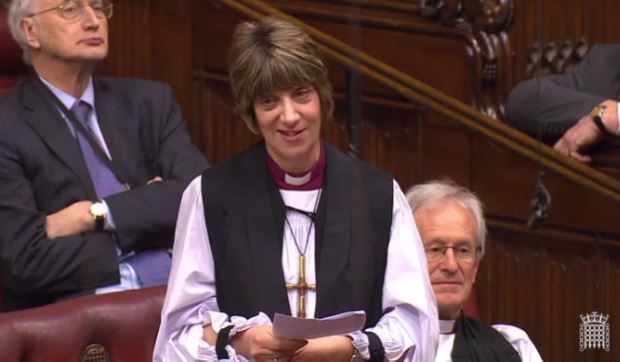
On the 12th of September The Rt Revd Rachel Treweek, Bishop of Gloucester, led a debate in the House of Lords on a motion ‘to ask Her Majesty’s Government what assessment they have made of the ability of women’s centres to improve outcomes in the justice system’.  Her speech introducing the debate,  and the response of the Minister, are reproduced below. The speeches by other Members contributing to the debate can be seen at Parliament.uk 

Gloucester071117 bThe Lord Bishop of Gloucester: My Lords, it is a great honour and privilege to introduce this debate. I thank all noble Lords who have agreed to contribute to it; I am especially grateful to the noble Baroness, Lady Sater, for choosing to make her maiden speech in it. I know that her extensive experience in business and the charitable sector, as well as her time working on the Youth Justice Board and as a magistrate, will inform many excellent contributions to this House. I look forward to her speech. Continue reading “Bishop of Gloucester leads debate on positive impact of women’s centres in the justice system”
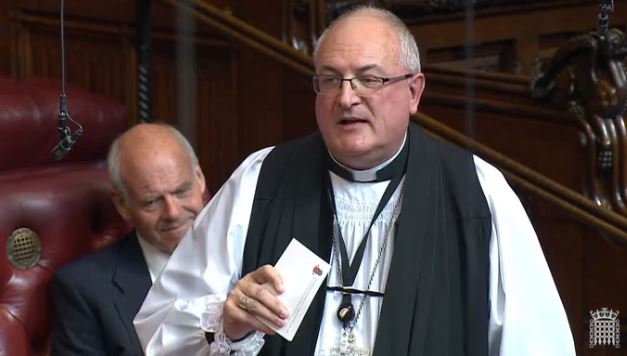
Bishop of Ely calls for opportunity for all to prosper in careers education debate.

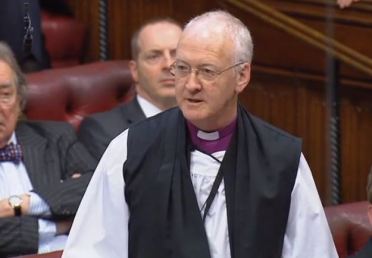
On the 6th September 2018 the House of Lords debated ‘the case for high-quality careers education and advice to be available to all students’. The Rt Revd Stephen Conway, Bishop of Ely, spoke in the debate about the need for ‘the fullest possible rolling out’ of the Government’s careers strategy.Ely 2

The Lord Bishop of Ely: My Lords, I share with the noble Baroness, Lady Bull, whose wisdom I have been delighted to receive this afternoon, the fact of belonging to a family where there was no prior history of higher education. The only careers advice that I received at school as a working-class boy from south London was to read extra Latin in the sixth form—and look what happened. Continue reading “Bishop of Ely calls for opportunity for all to prosper in careers education debate.”

Bishop of Gloucester highlights need for meaningful path away from offending

On the 6th of September 2018 Lord Bird asked Her Majesty’s Government “what plans they have to ensure that prisons and young offender institutions are safe and able to meet the rehabilitative needs of those imprisoned.” The Rt Revd Rachel Treweek, Bishop of Gloucester, asked a follow up question focusing on community-based sentences and rehabilitation involving meaningful work.

Bishop of Gloucester 8The Lord Bishop of Gloucester: My Lords, I too thank the noble Lord, Lord Bird, for bringing this important debate today. It is encouraging to see some new energy in the Ministry of Justice, and some recent government announcements have been very encouraging, not least the female offender strategy. However, as has been said, it is important to acknowledge that so often prison will not be able to meet the rehabilitative needs of the people who are sent there. Continue reading “Bishop of Gloucester highlights need for meaningful path away from offending”

Bishop of Southwark raises concern at mental health care disparities based on ethnicity

On the 6th of September 2018 the House of Lords debated the motion ‘that this House takes note of NHS and healthcare data and how that data could be used to improve the health of the nation.’ The Bishop of Southwark, Rt Revd Christopher Chessun, spoke in the debate:

Southwark170718

The Lord Bishop of Southwark: My Lords, I too express appreciation to the noble Lord, Lord Freyberg, for securing a debate on a subject so full of possibilities for enriching our knowledge and improving the lives of fellow citizens. In England alone the National Health Service deals with more than 1 million patients every 36 hours. The potential use of data is enormous.

The right reverend Prelate the Bishop of Carlisle, who takes a special interest in health matters, is particularly sorry not to be able to participate in this debate. I also congratulate the noble Lord, Lord Bethell, on the quality of his maiden speech. I was, furthermore, particularly grateful for the wisdom of the noble Lord, Lord Kakkar, who spoke from his great expertise in this field. My focus is on mental healthcare data, which was recently highlighted in the Church of England’s toolkit on minority ethnic mental health issues, launched at our General Synod in July.

Continue reading “Bishop of Southwark raises concern at mental health care disparities based on ethnicity”

Bishop of Leeds warns of ‘dishonest language and rhetoric’ in Brexit debate

Leeds 300418 bOn 23rd July 2018 the Government held a debate ‘To move that this House takes note of the preparations and negotiations connected with the United Kingdom’s departure from the European Union.’ The Bishop of Leeds, the Rt Revd Nick Baines, spoke in the debate:

The Bishop of Leeds: My Lords, other noble Lords will be addressing the details, which leaves me to take a step back to look at culture. At the committee stage of the EU (Withdrawal) Bill I spoke about matters such as the corruption of the public discourse, asking that we in this House do not lose sight of the end to which Brexit is supposed to be the means. ​I tried to pose the existential questions of who we think we are and for whom we are doing what we are doing. However, the debate has coarsened, the ideological divide deepened and poor use of language worsened. What I have to say has nothing to do with leave or remain but where we are now and what shape we might be in in the future.

Continue reading “Bishop of Leeds warns of ‘dishonest language and rhetoric’ in Brexit debate”