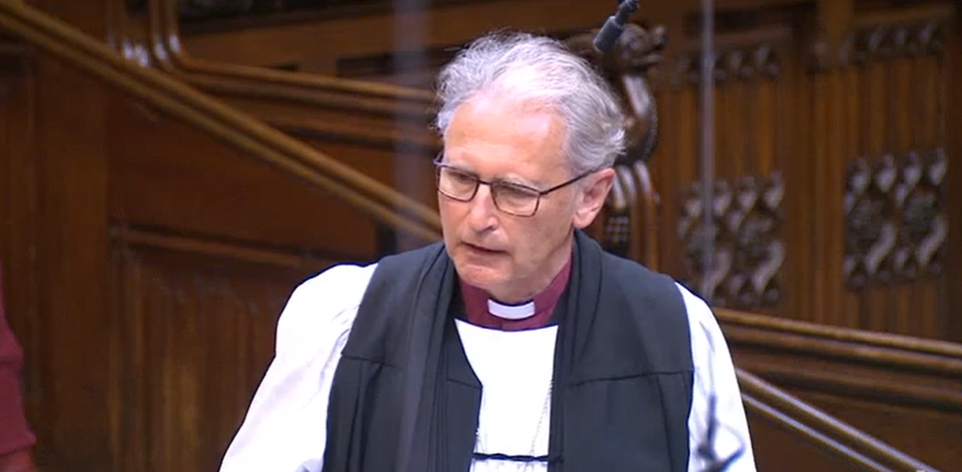
Dormant Assets Bill: Bishop of Ely supports creation of community wealth funds on behalf of the Bishop of Newcastle

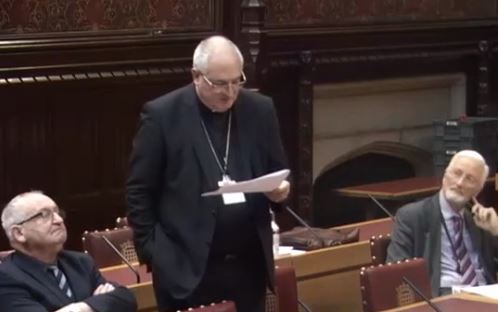
On 16th November 2021, the House of Lords debated the Dormant Assets Bill in the report stage. The Bishop of Ely, on behalf of the Bishop of Newcastle, spoke in support of an amendment to the bill which would support the creation of community wealth funds to assist deprived communities in reducing inequality and improving local infrastructure:

The Lord Bishop of Ely: My Lords, the noble Lord, Lord Bassam, is correct that my friend the Bishop of Newcastle has made her valedictory speech, but I have been permitted to speak on her behalf. Noble Lords may have noticed a certain discrepancy in height and volume between me and the Bishop of Newcastle but she is living proof that stature has nothing to do with size. I applaud my friend for her significant role as a Lord Spiritual and a community leader in Newcastle; the city has honoured her with the freedom of the city in recognition of her work.

In support of the amendment, we would like to say that the creation of community wealth funds, as the noble Lord, Lord Bassam, has said, will strengthen community life in left-behind communities, including many in the diocese of Newcastle. Levelling-up investment, while welcome, has been largely about hard infrastructure but we want to see more investment in social infrastructure so that our communities can flourish. It is precisely that social infrastructure which could be provided by the community wealth funds, so they are already creating confidence in communities even if the consultation is yet to happen.

Continue reading “Dormant Assets Bill: Bishop of Ely supports creation of community wealth funds on behalf of the Bishop of Newcastle”

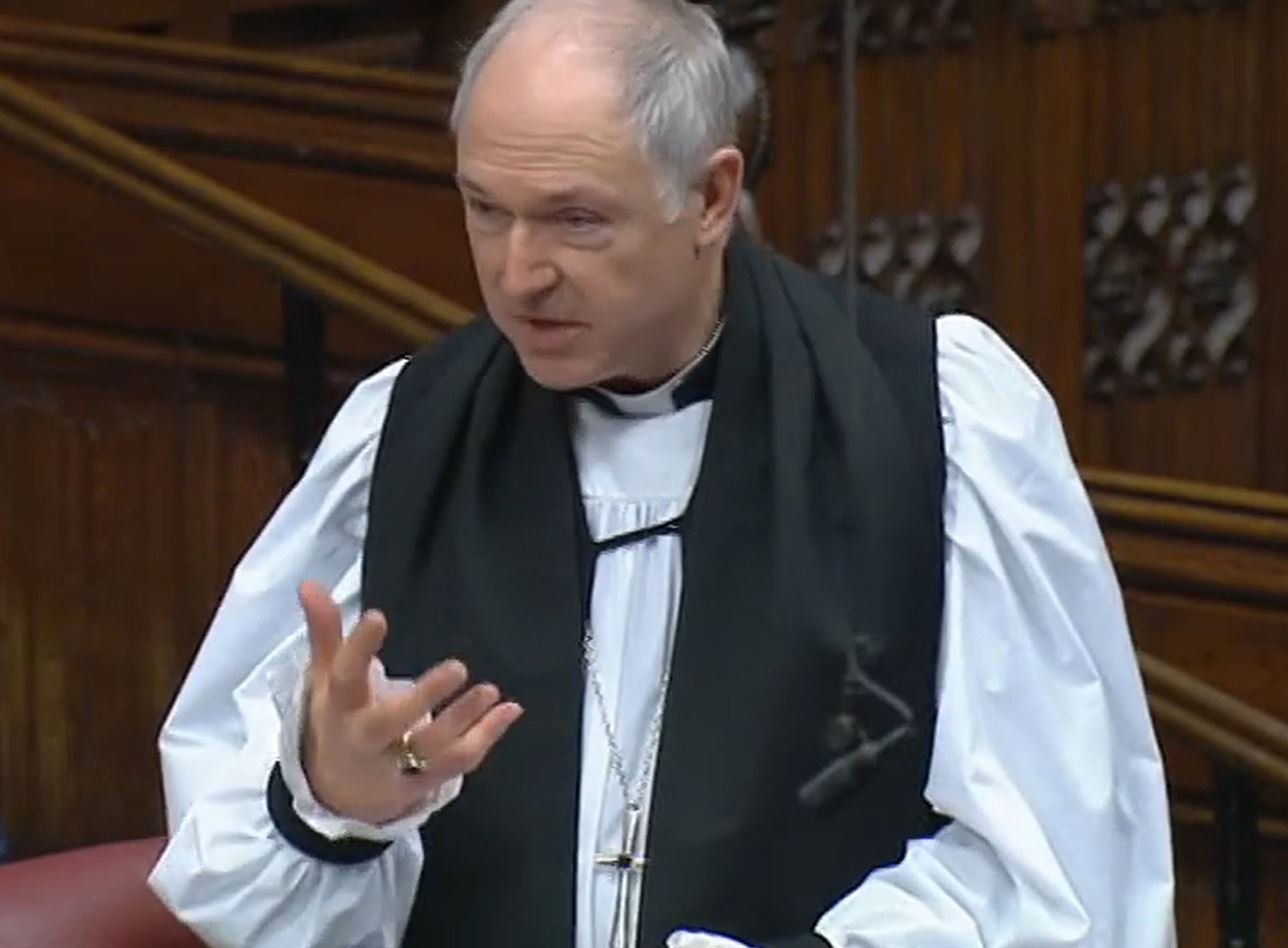
Bishop of Ely asks about number of children awaiting speech and language therapy, physiotherapy, and occupational therapy

The Bishop of Ely asked a question on the number of children waiting for speech and language therapy, physiotherapy and occupational therapy assessments following initial assessments on 16th November 2021, during a debate on NHS waiting lists in England:

The Lord Bishop of Ely: My Lords, can the Minister confirm the number of children waiting for treatment for speech and language and for physiotherapy and occupational therapy assessments after their initial assessment? Those treatments are vital for supporting educational development of children as we recover from the pandemic. Are those figures included in the published waiting list figures—and, if not, why not?

Lord Kamall (Con): I thank the right reverend Prelate for that question. Unfortunately, I do not have the statistics with me, but I shall write to him.

Hansard

Police, Crime, Sentencing & Courts Bill: Bishop of Bristol supports amendments on short sentences on behalf of Bishop of Gloucester

The Bishop of Bristol spoke in a debate on amendments to the Police, Crime, Sentencing & Courts Bill on 15th November, on behalf of the Bishop of Gloucester. The speech was in support of amendments tabled by Lord Dubs and by Lord Ponsonby of Shulbrede, which sought to raise the threshold for imposition of short custodial sentences where community orders or other alternatives could be imposed instead:

The Lord Bishop of Bristol: My Lords, I speak on behalf of my right reverend colleague the Bishop of Gloucester, who is unable to be in her place. She declares an interest as Bishop to Her Majesty’s Prisons in England and Wales. These are her words.

“I am delighted to add my name in support of Amendment 213, tabled by the noble Lord, Lord Dubs. I also have great sympathy for Amendment 212, tabled by the noble Lord, Lord Ponsonby. Both aim to remedy some of the justice system’s current overemphasis on prison sentences without sufficient regard for whether prison is an effective remedy for the offender or a guarantee to the safety and benefit of the community. By and large, short sentences have proven ineffective on both counts.

Continue reading “Police, Crime, Sentencing & Courts Bill: Bishop of Bristol supports amendments on short sentences on behalf of Bishop of Gloucester”

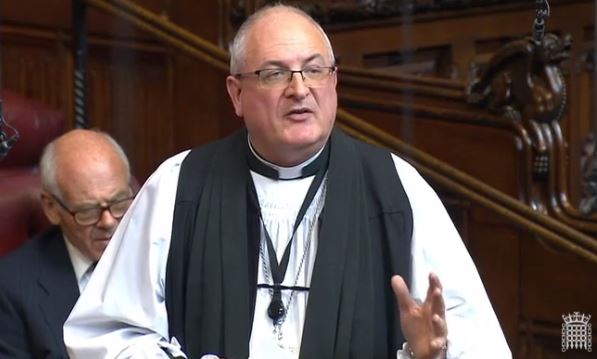
Police, Crime, Sentencing & Courts Bill: Bishop of Ely speaks in support of amendments on prison release schedules

The Bishop of Ely spoke in a debate on the Police, Crime, Sentencing & Courts Bill on 15th November 2021, in support of amendments that would prevent prisoners from being released on a Friday, a weekend, or a public holiday, in order to ensure that newly released people would have access to services and support:

The Lord Bishop of Ely: My Lords, I was not intending to speak to these amendments but, having been involved in prisoner resettlement in the past, I feel it is important to say that Friday release has a particular impact on younger women prisoners if their only option is a bail hostel.

Continue reading “Police, Crime, Sentencing & Courts Bill: Bishop of Ely speaks in support of amendments on prison release schedules”

Police, Crime, Sentencing & Courts Bill: Bishop of Gloucester supports amendments targeted towards reform of Imprisonment for Public Protection

On 15th November 2021, the House of Lords debated amendments to the Police, Crime, Sentencing & Courts Bill. The Bishop of Gloucester spoke in the debate, supporting amendments designed to scrutinise the continuation of indefinite Imprisonment For Public Protection (IPP) Sentences:

The Lord Bishop of Gloucester: My Lords, I add my voice to those who have already spoken in favour of these amendments. I declare my interest as Anglican Bishop to Her Majesty’s Prisons.

All the detail I was going to mention has already been carefully and expertly explained; again, I pay tribute to the organisations that have been named, including the Howard League, the Prison Reform Trust and UNGRIPP, for their excellent briefing reports and research. It resonates strongly with all the conversations I have with people in prison and family members who write to me or send me emails. The thing I am struck most by is the sense of hopelessness; many noble Lords have mentioned that. I am a proud patron of Prison Fellowship, whose motto is:

“We believe no one is beyond hope.”

We really need to listen to that in this debate.

Continue reading “Police, Crime, Sentencing & Courts Bill: Bishop of Gloucester supports amendments targeted towards reform of Imprisonment for Public Protection”

Police, Crime, Sentencing & Courts Bill: Bishop of Durham supports exclusion of children from changes to mandatory minimum sentences

On 10th November 2021, during a debate on amendments to the Police, Crime, Sentencing & Courts Bill, the Bishop of Durham, on behalf of the Bishop of Derby, spoke in support of an amendment tabled by Baroness Massey which would ensure that children would not be affected by the imposition of changes to mandatory minimum sentences under the bill:

The Lord Bishop of Durham: My Lords, I speak on behalf of the right reverend Prelate the Bishop of Derby on this occasion, who could not be here today. I add my support to Amendments 198, 199, 200 and 201, in the name of the noble Baroness, Lady Massey, which deal with tariff starting points or DHMP sentences as they relate to young people. The noble Baroness laid out well the case for amending Clause 104 so that it takes into account evidence on maturation. I will briefly add the right reverend Prelate the Bishop of Derby’s perspective as a Lord spiritual and as part of a team of Bishops focused on Her Majesty’s prisons, particularly young offender institutions. She also declares an interest as vice-chair of the Children’s Society.

Children ought to be treated as children, and we resist any erosion of that in law. If we are to argue to the contrary we must be content to go against the trajectory of every other arena of English law. Eighteen is soon to become the age at which people can legally marry, leave education and join the Armed Forces. I urge noble Lords to reflect on this. If we project from this that children are to be protected from making decisions about marriage, education and even enlisting in Her Majesty’s Armed Forces until they reach a maturation point of 18, then the same logic surely must continue to apply in this instance.

Continue reading “Police, Crime, Sentencing & Courts Bill: Bishop of Durham supports exclusion of children from changes to mandatory minimum sentences”

Police, Crime, Sentencing and Courts Bill: Bishop of Durham moves rehabilitation amendment on behalf of the Bishop of Gloucester

On 10th November 2021, the House of Lords debated the Police, Crime, Sentencing and Courts Bill in the seventh day of the committee stage. On behalf of the Bishop of Gloucester, the Bishop of Durham moved amendment 181, which would ensure that “reasonable efforts” would be made to support interventions to prevent offenders under community cautions from reoffending:

The Lord Bishop of Durham: My Lords, I am moving the amendment in the name of my friend the right reverend Prelate the Bishop of Gloucester, with her permission, as she is, sadly, unable to be here. I declare her interest as Anglican Bishop for Prisons in England and Wales, and we are very grateful for the support of the noble and learned Lord, Lord Thomas, and the noble Lord, Lord Beith.

I should say first that, while there are many parts of the Bill with which I take some issue, I do by and large consider it a welcome feature of the Bill that it places a new emphasis and focus on diversionary and community cautions, and on simplifying the previous regime. Done well, these out-of-court disposals, with helpful conditions attached, can be an effective solution that strikes a balance between punishment, the protection of communities and supporting the offender to successfully seek restoration in their community.

Continue reading “Police, Crime, Sentencing and Courts Bill: Bishop of Durham moves rehabilitation amendment on behalf of the Bishop of Gloucester”

Armed Forces Bill: Bishop of St Albans supports raising age of enlistment to 18

On 8th November 2021, the House of Lords debated the Armed Forces Bill in committee. The Bishop of St Albans spoke in the debate, supporting an amendment tabled by Baroness Massey of Darwen which would raise the age of enlistment into the armed forces to 18:

The Lord Bishop of St Albans: My Lords, I rise to speak in support of Amendment 61 in the name of the noble Baroness, Lady Massey of Darwen, to which I have added my name. I have done so because of my concerns about the well-being of young people and because I am not convinced that there are sufficient benefits in allowing the enlistment of young people of 16 or 17 rather than 18. Evidence and personal experience tell me that there is not.

I speak because of the experience of a member of my own family, so I know a story inside out, but I have also spoken to a number of parents whose children were recruited under the age of 18—and I have heard some very similar stories those described by the noble Baroness, Lady Massey, in her speech. I have no doubt that, for some early leavers recruited below the age of 18, the mental damage can take years to recover from. These recruits have the legal status as children and are entitled in law under safeguarding legislation to be protected from harm as far as possible.

There are a number of other reasons why I question this policy. Younger recruits suffer from very high drop-out rates. Official statistics show that, once enlisted, 30% of the Army’s under-18 recruits leave or are dismissed before they finish their training. They can find themselves out of work and education within months of joining, and these discharged recruits are not tracked, so we cannot speculate on how they fare after they leave the military. That being said, it would not be unreasonable to say that, had the option of joining up not been available, they would have stayed in full-time education, taken an apprenticeship or worked part time while undertaking a qualification. We are talking about not some small, troubled minority who failed to adapt adequately to military service, but nearly a third of all junior recruits. That is affecting some 700 young people a year, according to the Child Rights International Network.

Continue reading “Armed Forces Bill: Bishop of St Albans supports raising age of enlistment to 18”

Bishop of London speaks on need to improve housing standards in the UK

The Bishop of London spoke in a debate following a motion to take note: “That this House takes note of the situation of leaseholders who are facing substantial bills for fire and building safety remediation work; and of the need for safe, green and affordable housing” tabled on 4th November 2021, arguing for greater protection to leaseholders:

The Lord Bishop of London: My Lords, I, too, thank the noble Lord, Lord Stunell, for securing this debate, and I thank the noble Lord who will speak after me. It has been four years, four months and 20 days since the Grenfell Tower fire. On the 14th day of every month, Grenfell survivors and their loved ones walk around the remains of Grenfell Tower to signal that they are yet to receive justice for what has happened.

Many in the other place allowed the Fire Safety Bill to pass on the promise that the issues relating to the remediation of unsafe buildings would be dealt with comprehensively and thoroughly in the Building Safety Bill. However, the Bill has just completed Committee in the other place and the Government have yet to set out how they intend to deal with the unaffordable costs faced by leaseholders for interim safety measures and the remediation of unsafe buildings.

The Government’s reannouncement of £5 billion for the removal of unsafe cladding only raised concerns for those affected. The Red Book notes that £3 billion will be spent over the spending review period up to the end of March 2025. Can the Minister tell the House when he expects all dangerous cladding will have been removed?

Continue reading “Bishop of London speaks on need to improve housing standards in the UK”

Police, Crime, Sentencing and Courts Bill: Bishop of London adds support to amendments aimed at protecting sites for Gypsy, Roma, and Traveller Communities

The House of Lords debated amendments to the Police, Crime, Sentencing & Courts Bill in committee on 3rd November 2021. During the debate, the Bishop of London spoke in support of amendments which would limit police powers relating to the proposed offence of criminal trespass, which would have particular effect on Gypsy, Roma and Traveller communities and the sites used by these communities:

The Lord Bishop of London: My Lords, I have listened with interest to what noble Lords have said on this group of amendments, and I rise to add my support to them, particularly Amendment 149.

In 2019, the General Synod, the parliament of the Church of England, held a serious and lengthy debate on the treatment of Gypsy, Roma and Travelling communities. It noted the long and ugly history, going back at least as far as the Egyptians Act, passed by your Lordships’ predecessors in 1530, which sought to ban further immigration from Romani Gypsies and to deport resident Gypsies.

Continue reading “Police, Crime, Sentencing and Courts Bill: Bishop of London adds support to amendments aimed at protecting sites for Gypsy, Roma, and Traveller Communities”