Bishop of Leeds asks about capacity of the UK armed forces

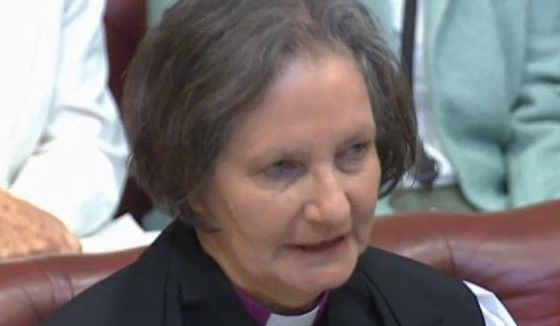
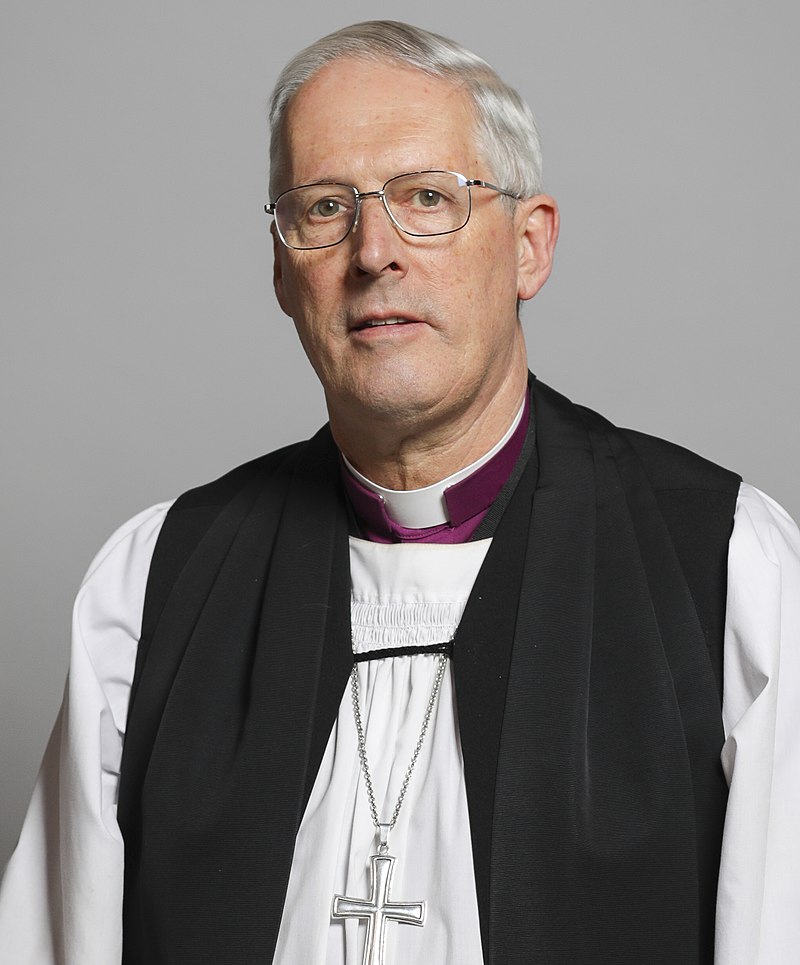
The Bishop of Leeds asked a question on UK armed forces capacity on 15th January 2024, following a government statement on strikes on Houthi military facilities in Yemen:

The Lord Bishop of Leeds: My Lords, I am very reassured by much of what I have heard this evening, but I think there is a distinction between what is escalatory in intent and in effect. If the effect is escalation, how are the UK Government preparing or planning for a wider escalation? I am particularly concerned about the capacity of our Armed Forces. I am happy to be reassured, but often in this House we have questions about whether we have sufficient personnel, as well as equipment. Can the Minister give some assurance that we do have capacity, and that the implications of the 2023 integrated review might be revisited in the light of developments in the last few months?

Continue reading “Bishop of Leeds asks about capacity of the UK armed forces”

Bishop of Durham asks about methods to tackle poverty

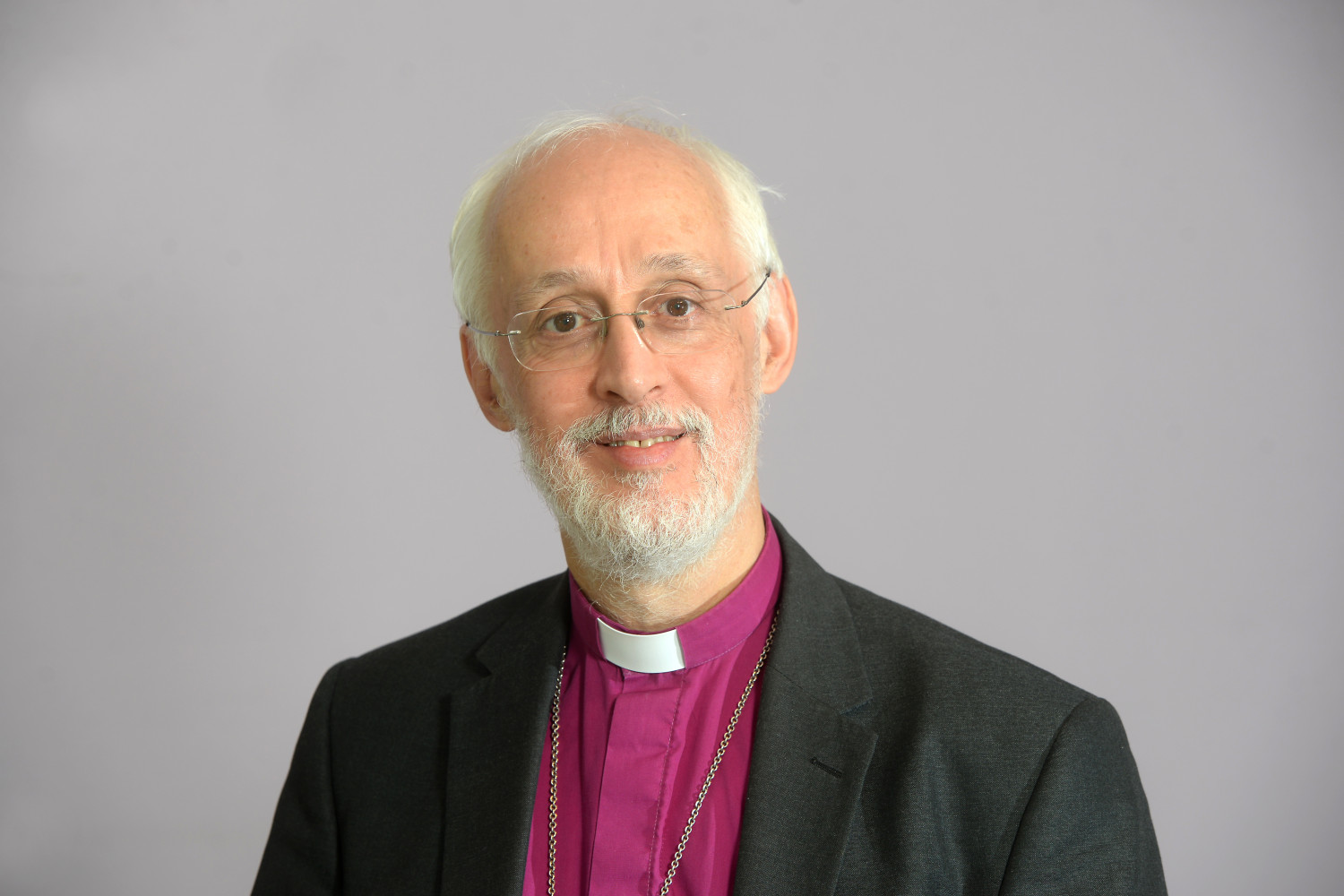
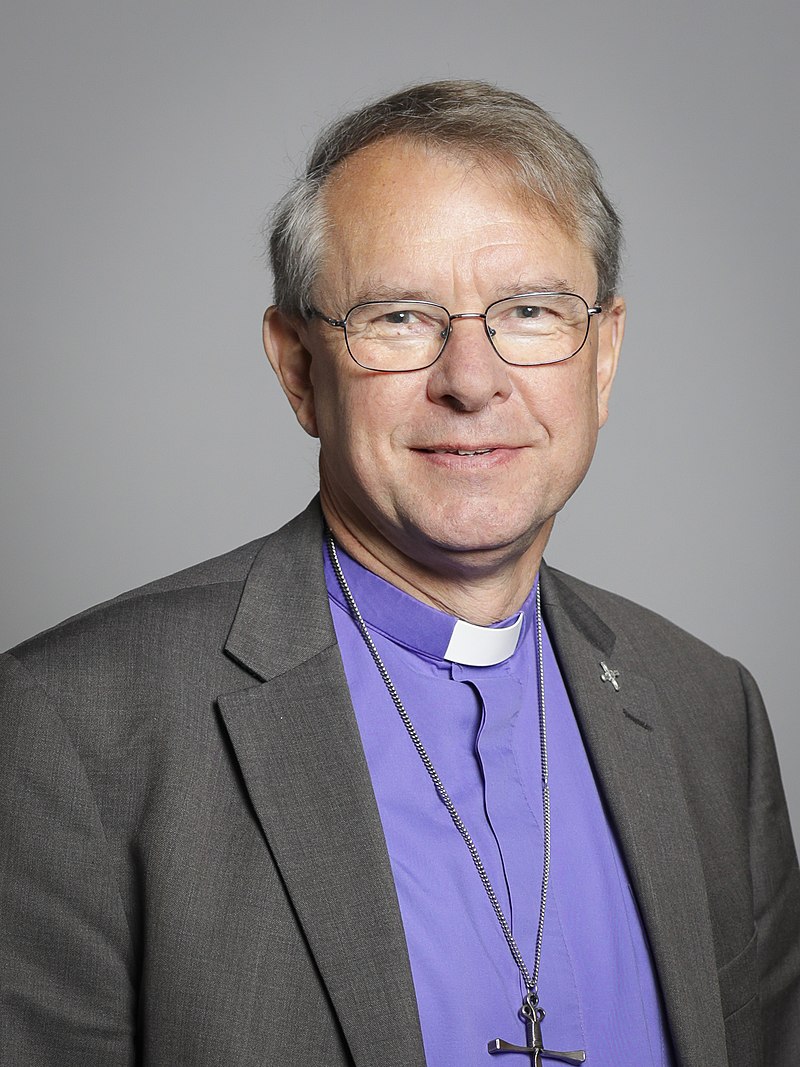
The Bishop of Durham asked a question on local development to tackle poverty on 15th January 2024, during a discussion on government plans to promote the end of absolute poverty through global development aid:

The Lord Bishop of Durham: My Lords, very helpfully, in the White Paper there was an emphasis on the importance of locally designed and led development for tackling absolute poverty, and there was a promise of a strategy for reaching that. What stage is it at, and when will that strategy be seen?

Continue reading “Bishop of Durham asks about methods to tackle poverty”

Church Commissioners Written Questions: Paula Vennells

On 15th January 2024, Andrew Selous MP, representing the Church Commissioners, gave the following written answer to a question from an MP:

Chris Loder MP (Con, West Dorset): To ask the Member for South West Bedfordshire, representing the Church Commissioners, what role Paula Vennells had in advising the Commissioners after 2019; and which committees she attended.

Andrew Selous MP (Con, South West Bedfordshire): In the spring of 2019 the House of Bishops discussed why some of the recommendations of the Church Buildings Review, which was approved by the General Synod in November 2015, had not been implemented. Paula Vennells was subsequently asked by the Archbishops to undertake a lessons learnt review. During the course of the review its remit was expanded to look at the wider working together of the National Church Institutions (NCIs), including issues around organisational governance, leadership and culture. The report, ‘Church Buildings Review- Lessons Learnt’, was completed in October 2019 and Paula Vennells attended a meeting of the House of Bishops in December 2019 at which it was presented.

Continue reading “Church Commissioners Written Questions: Paula Vennells”

Bishop of Norwich calls for greater global investment and cooperation to tackle climate change

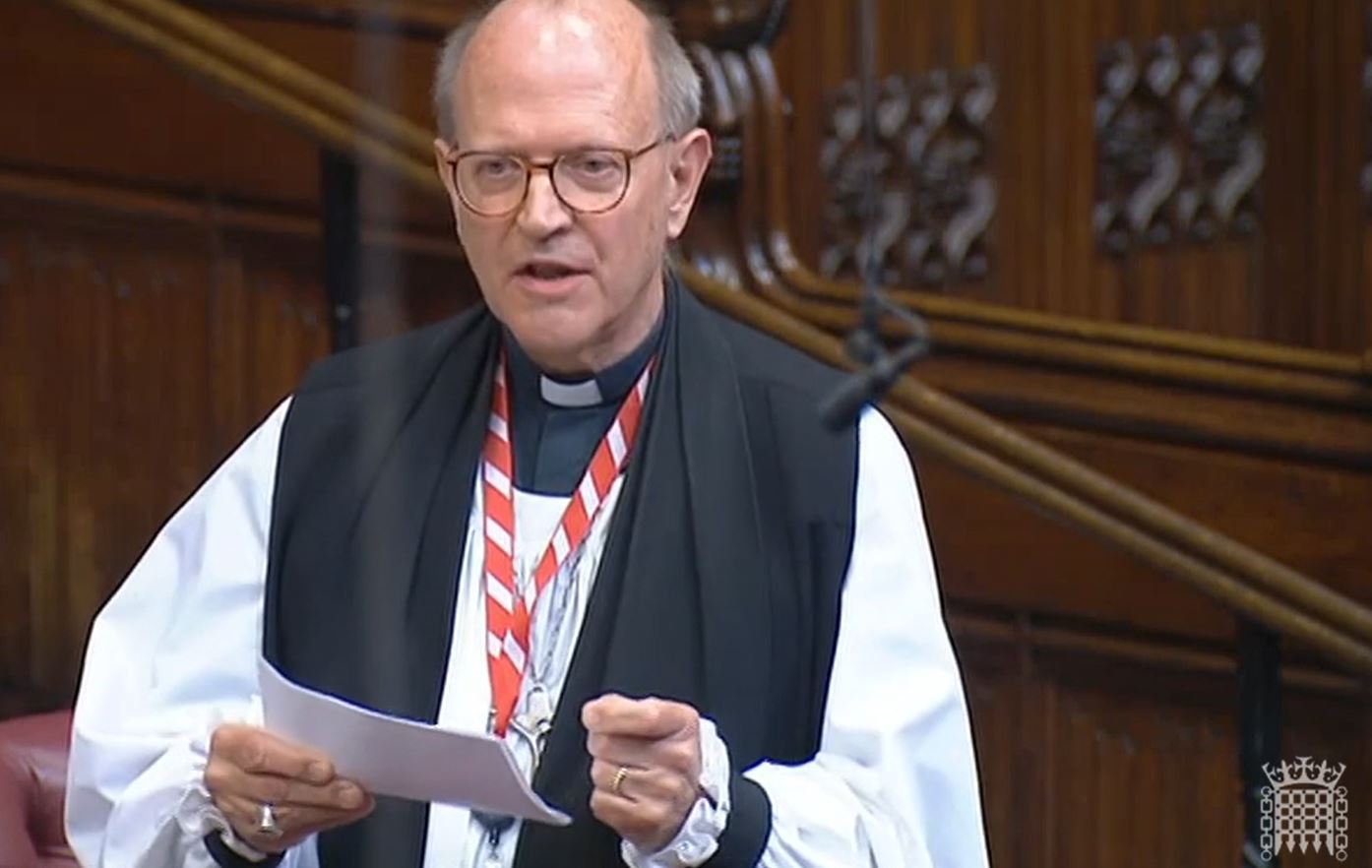
The Bishop of Norwich spoke in a debate on the impact of climate change on developing nations on 11th January 2024, focusing on the need for global investment and cooperation to support projects tackling climate change:

The Lord Bishop of Norwich: My Lords, I too express my appreciation to the noble Baroness, Lady Northover, for securing this debate and congratulate my right reverend friend the Bishop of Winchester on his informative and passionate maiden speech.

The UK rightly has a distinguished record in overseas development aid and I look forward to the urgent return to the Government’s manifesto commitment of 0.7% of GDP being spent on it. There also needs to be transparency in new funding announcements about whether the funding is new money or comes from salami-slicing existing programmes. The priorities for climate change aid must be focused on three areas: mitigation, resilience and emergency response. I will look briefly at each in turn.

Continue reading “Bishop of Norwich calls for greater global investment and cooperation to tackle climate change”

Bishop of Winchester makes maiden speech on the topic of climate change and its effects on developing nations

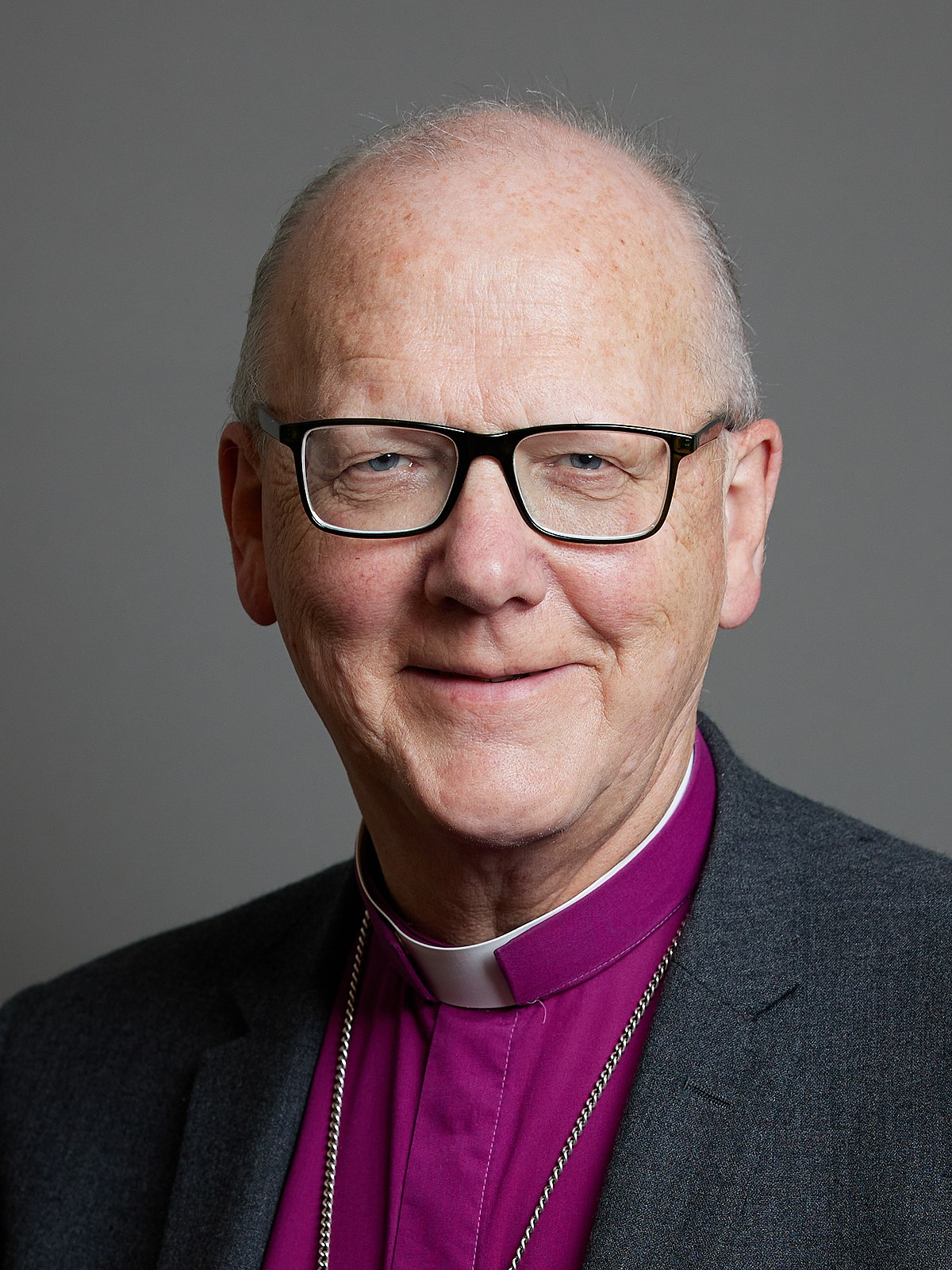
On 11th January 2024, The Bishop of Winchester made his maiden speech during a debate on the impact of climate change on developing nations, referencing the importance of both local and international approaches in tackling these issues, and linking to his previous work on freedom of religion and belief:

The Lord Bishop of Winchester: My Lords, I am conscious of the immense privilege that is mine to have a seat as of right in your Lordships’ House. I am very grateful for the welcome and help I have received from noble Lords and staff, both today and as I have been inducted into its ways.

The See of Winchester, which I serve, was founded in 660. In 838, at the Great Council of Kingston, King Ecgberht of Wessex entered into a compact with the Sees of Winchester and Canterbury, in return for their promise of support for his son Aethelwulf’s claim to the Throne. Aethelwulf was the father of Alfred the Great. That ancient compact was a key moment in the developing relationship between Church and state that has done so much to shape to the life of this country, as together we have sought the common good—and it is to that theme of the common good that I will return later.

I turn specifically to the matter of this debate. In looking at this issue of international development, I believe we must pay proper attention to two cardinal principles: internationalism and localism. It is vital that, as a country, we take an internationalist approach to international development. Global problems, including climate change, require global solutions, and nothing less will do. But, in all that, the local must not be lost. Effective development must always have purchase at the grass roots in specific contexts and communities, or it will be simply unsustainable.

Continue reading “Bishop of Winchester makes maiden speech on the topic of climate change and its effects on developing nations”

Bishop of Leicester calls for reconsideration of debt to help developing nations combat climate change

The Bishop of Leicester spoke in a debate on the impact of climate change on developing nations on 11th January 2024, highlighting the relationship between debt and dealing with climate change:

The Lord Bishop of Leicester: My Lords, I too am grateful to the noble Baroness, Lady Northover, for the opportunity to debate this hugely significant subject. I too am looking forward to the maiden speech by my right reverend friend the Bishop of Winchester, who has real expertise in this area.

When it comes to thinking about the impact of climate change on developing nations, the injustices at play are twofold. First is the fact that those nations that are being and will yet be most affected by climate change are those that have contributed least to the crisis. Secondly, much of the funds that fuelled our Industrial Revolution, wherein were sown the seeds of climate change, were generated by extracting and exploiting the resources of many of those regions, most devastatingly, of course, through the transatlantic chattel slave trade.

Our moral debt is as great as the climate emergency we face, so I was pleased to see that the Government’s international development White Paper, published in November, included “tackling climate change” in its title. I was also most encouraged to read the Government advocating for a move away from donor-recipient models of aid towards partnerships built on mutual respect, putting greater value on the voice, perspectives and needs of developing nations, as well as supporting local leadership. The paper hearteningly states:

“We will engage with humility and acknowledge our past”.

Continue reading “Bishop of Leicester calls for reconsideration of debt to help developing nations combat climate change”

Bishop of Chelmsford asks about plans to improve quality of housing in the UK

The Bishop of Chelmsford asked a question on government plans to improve the quality of existing housing in the UK on 11th January 2024, during a discussion on the government’s long term plan for housing:

The Lord Bishop of Chelmsford: My Lords, the Archbishops’ Commission on Housing, Church and Community recommended that the Government adopt a long-term plan to address the scale of the housing crisis in the UK. I am glad to see that they have adopted the language of long-termism, as the UK’s housing has been held back by short-term planning and decision-making for far too long. However, I believe that such a plan must be holistic, taking into account all elements that make up a good housing strategy, with consideration of both new builds and existing buildings. What plans do the Government have to improve the quality of the homes that we already have, for example by undertaking a programme to upgrade EPC ratings, or by equalising the rate of VAT on repairs for existing houses with that for constructing new homes?

Continue reading “Bishop of Chelmsford asks about plans to improve quality of housing in the UK”

Bishop of Chelmsford reiterates calls for rediscovery of standards in public life

On 11th January 2024, the Bishop of Chelmsford spoke during a debate on Parliamentary Democracy and Standards in Public Life, reiterating the Archbishop of Canterbury’s call for a rediscovery of standards:

The Lord Bishop of Chelmsford: My Lords, like others, I contribute to this discussion with a great amount of feeling, because the debate goes right to the heart of the integrity of public institutions, including both Chambers of our Parliament. After Sue Gray’s report on parties in Downing Street during lockdown, my most reverend friend the Archbishop of Canterbury described standards in public life as

“the glue that holds us together”

and called for a “rediscovery” of these standards. That was in May 2022, but since then, it can feel like little has changed.

Continue reading “Bishop of Chelmsford reiterates calls for rediscovery of standards in public life”

Bishop of Chelmsford asks about use of force by immigration authorities

The Bishop of Chelmsford asked a question about appropriate monitoring of the use of force against those detained under immigration regulations, particularly children and vulnerable adults, during a discussion on the inquiry into conditions at Brook House Immigration Removal Centre on 11th January 2024:

The Lord Bishop of Chelmsford: My Lords, the inquiry found that the inappropriate use of restraint and force on detained persons suffering from mental illness was common at Brook House, with healthcare staff unaware of their responsibilities to monitor the welfare of detained persons during use of restraint. Regardless of this information, the Illegal Migration Act allows for the use of force against even children across the detention estate. What steps will be taken to ensure that the use of force is continually monitored and recorded for all detainees, but particularly vulnerable adults and children, to ensure that what occurred at Brook House is never allowed to happen again?

Continue reading “Bishop of Chelmsford asks about use of force by immigration authorities”

Church Commissioners Questions: Choral Music, Rough Sleeping, Multimedia Platforms, Church Buildings, Christians in Cuba, and the Anglican Hospital in Gaza

On 11th January 2024, Andrew Selous MP, representing the Church Commissioners, gave the following answers to MPs in the House of Commons:

Choral Music: Cathedrals

Michael Fabricant MP (Con, Lichfield) asked: Whether the Commissioners are taking steps to support choral music in cathedrals.

Andrew Selous MP (Con, South West Bedfordshire): The Church Commissioners provided £1 million to support music in cathedrals during the pandemic. That sum was match funded by the Cathedral Music Trust. The commissioners are extremely grateful to the trust for doing what it did to help ensure that worship in our cathedrals remains of the highest calibre.

Continue reading “Church Commissioners Questions: Choral Music, Rough Sleeping, Multimedia Platforms, Church Buildings, Christians in Cuba, and the Anglican Hospital in Gaza”