Bishop of Gloucester asks about public confidence in non-custodial sentences

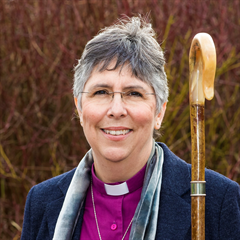
The Bishop of Gloucester tabled a question on the public’s confidence in non-custodial sentences on 22nd January 2024, with a view to encouraging improved evidence based awareness and understanding of the justice system:
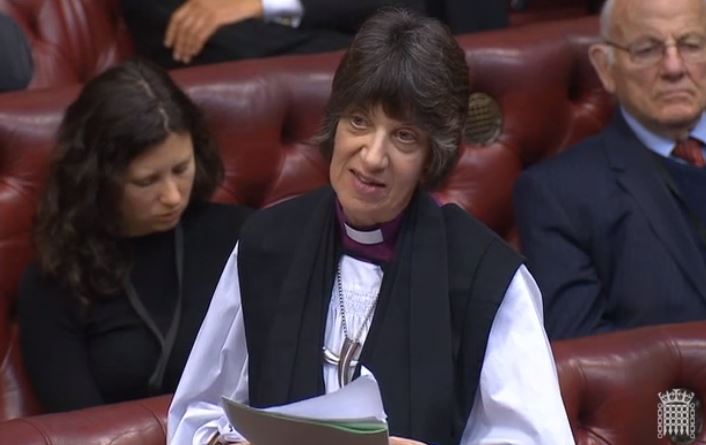
The Lord Bishop of Gloucester: To ask His Majesty’s Government what assessment they have made of the public’s confidence in non-custodial sentences.

Lord Bellamy: My Lords, it is important that the public have confidence in non-custodial sentences. The Government’s response to the Justice Select Committee’s report, Public Opinion and Understanding of Sentencing, was published last Thursday, 18 January. The Government are currently considering the Justice and Home Affairs Committee’s report of 28 December 2023, Cutting Crime: Better Community Sentences, and further note the Sentencing Council’s current consultation on revised guidelines for the imposition of community and custodial sentences.

Continue reading “Bishop of Gloucester asks about public confidence in non-custodial sentences”
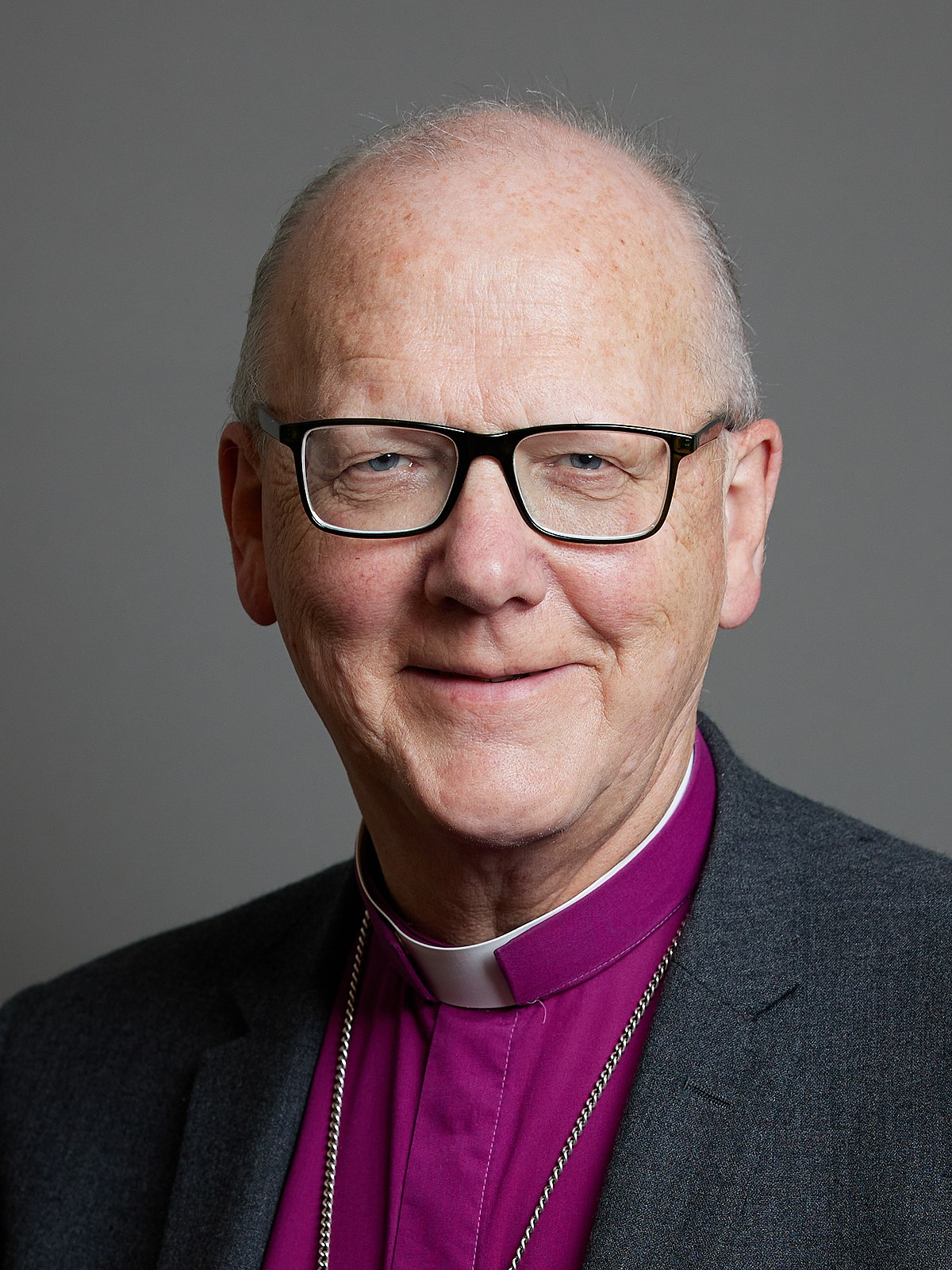
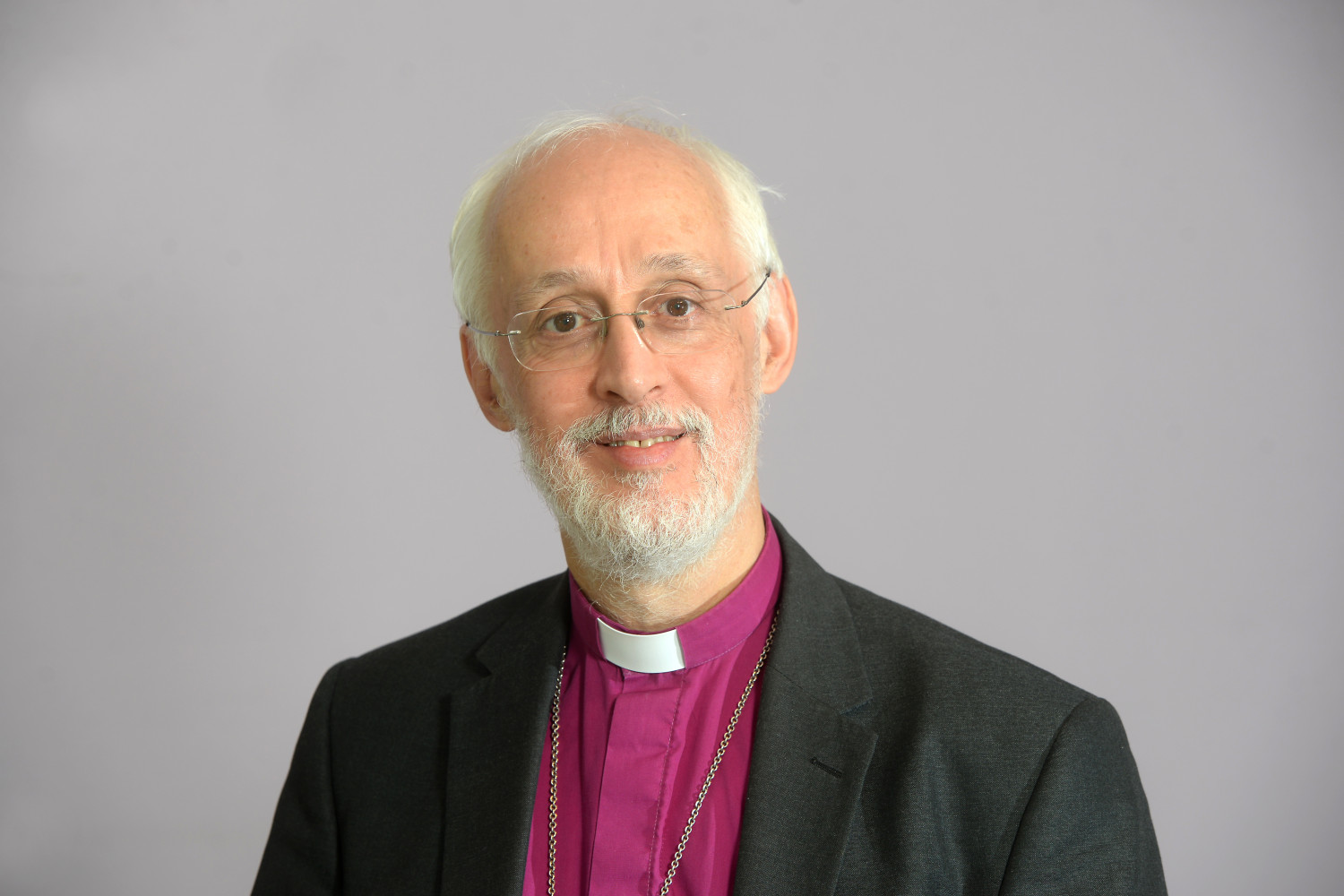
Bishop of Durham asks about UNICEF report on child poverty

The Bishop of Durham received the following written answer on 22nd January 2024:

The Lord Bishop of Durham asked His Majesty’s Government:

  • what steps are they taking to prevent children falling into poverty during future economic crises, in response to the conclusions of the UNICEF report Child Poverty in the Midst of Wealth, published on 6 December 2023.
  • what assessment they have made of the UNICEF report Child Poverty in the Midst of Wealth, published on 6 December 2023, and its finding that the UK has seen the greatest increase in child poverty out of the 40 countries featured in the report; and what steps they are taking to prevent a further increase.
Continue reading “Bishop of Durham asks about UNICEF report on child poverty”

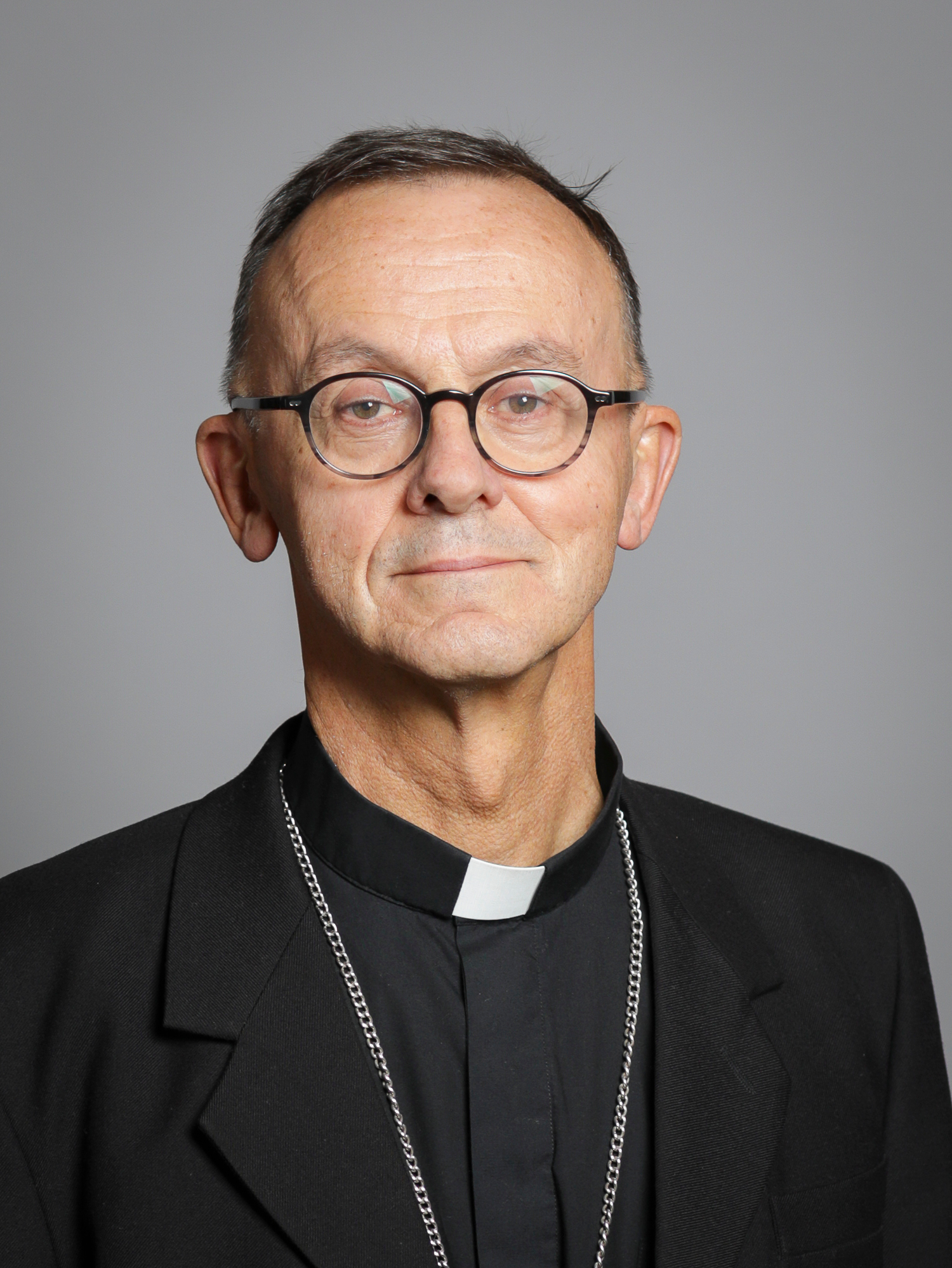
Bishop of St Albans asks about reduction of food waste

The Bishop of St Albans received the following written answers on 22nd January 2024:

The Lord Bishop of St Albans asked His Majesty’s Government what assessment they have made of the need to invest in infrastructure and technology to support food waste valorisation to reduce (1) greenhouse gas emissions, and (2) the amount of waste sent to landfill.

Lord Douglas-Miller (Con): New provisions in the Environmental Protection Act 1990 (as amended by the Environment Act 2021) will require all local authorities and relevant non-domestic premises in England to arrange for the collection of food waste for recycling. Our preference is for food waste to be separately collected for treatment by anaerobic digestion which produces biogas and significant carbon savings over sending food waste to landfill.

Continue reading “Bishop of St Albans asks about reduction of food waste”

Bishop of Chelmsford asks about housing policy

The Bishop of Chelmsford received the following written answers on 22nd January 2024:

The Lord Bishop of Chelmsford asked His Majesty’s Government what assessment they have made of the case for 10-year rent settlements for social homes to create certainty for social housing providers.

Continue reading “Bishop of Chelmsford asks about housing policy”

Bishop of Manchester asks about health & wellbeing guidance for looked-after children

The Bishop of Manchester received the following written answer on 22nd January 2024:

The Lord Bishop of Manchester asked His Majesty’s Government whether they will provide a timetable for updating the Statutory Guidance on Promoting the Health and Wellbeing of Looked After Children.

Continue reading “Bishop of Manchester asks about health & wellbeing guidance for looked-after children”

Bishop of Worcester asks about weapons exports

The Bishop of Worcester received the following written answer on 22nd January 2024:

The Lord Bishop of Worcester asked His Majesty’s Government what steps they are taking to ensure that UK-manufactured weapons sold under export licences are not being used to commit or facilitate violations of international humanitarian law, as required by the Arms Trade Treaty.

Lord Offord of Garvel (Con): The UK export licensing system is based on a thorough risk-assessment for the original export licence before the goods leave the UK.

Continue reading “Bishop of Worcester asks about weapons exports”

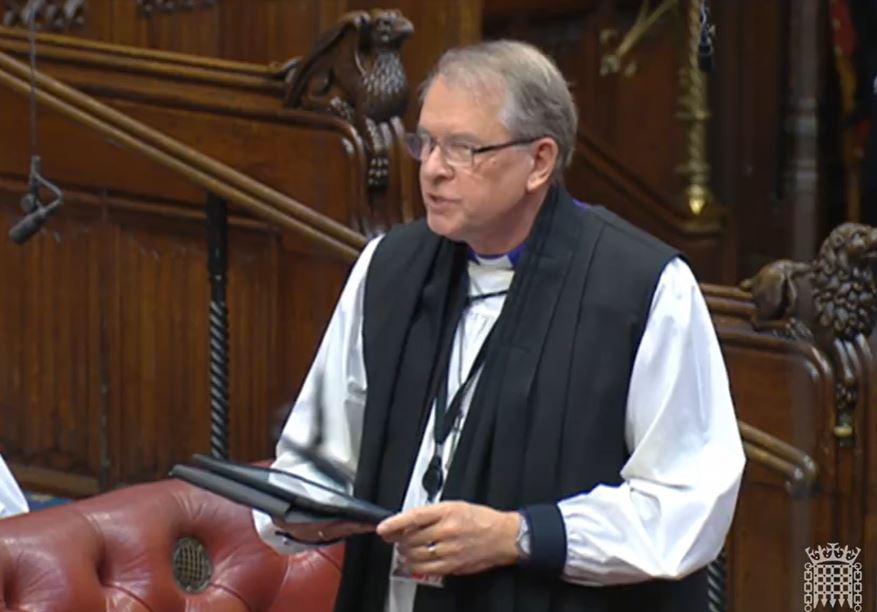
Bishop of Durham speaks on religious education in schools

The Bishop of Durham spoke in a debate on religious education in schools in Grand Committee on 18th January 2024, urging that RE be considered an essential part of the curriculum:

The Lord Bishop of Durham: My Lords, I declare my interests as in the register. Our modern society today is rich in diversity with varying cultures, religions and beliefs. Religious education gives young people an understanding of different world religions and beliefs, in a world where 70% of people affiliate themselves to a religion. It gives pupils an opportunity to explore their beliefs, enabling them to think critically and discuss belief systems in a non-offensive and non-discriminatory manner. However, RE is too often seen as inessential, with Ofsted stating, as was said earlier, that

“schools often consider RE as an afterthought”.

When current global conflicts have roots in religious histories, and with increases in faith hate crime in Britain, the provision of high-quality RE is crucial to creating a more respectful and tolerant society. Faith hate crime often comes from a lack of understanding, and it will not be eradicated when citizens lack knowledge of the beliefs of those alongside whom they live and work. I note the Government’s decision to omit RE from the English baccalaureate; will they reconsider this—it was disastrous—and include RE?

Continue reading “Bishop of Durham speaks on religious education in schools”

Bishop of Durham emphasises importance of community support for refugees

On 18th January 2024, in Grand Committee during a debate on refugee integration, Bishop of Durham gave a speech on the importance of community support for refugees, particularly in access to housing under the government’s current policy, asking whether the government would extend the current “move on” period for refugees leaving home office accommodation:

The Lord Bishop of Durham: My Lords, I declare my interests as laid out in the register.

Successful integration into life in the UK is critical for refugees to rebuild their lives, enabling society to benefit from the valuable skills that they bring as a gift to this country. However, current policy makes integration difficult, leaving them with very little support, particularly in the early period.

My friend the right reverend Prelate the Bishop of London raised the 28-day move-on period in this House last month and in a letter to the Home Office with other faith leaders. I echo her concerns. Current policy gives refugees 28 days from the issuing of a biometric residence permit until they can no longer access asylum support and accommodation. In practice, refugees are often given much shorter notice to find accommodation and means to support themselves.

Continue reading “Bishop of Durham emphasises importance of community support for refugees”

Bishop of Durham asks about positive impacts of Canada’s child benefit

The Bishop of Durham received the following written answer on 18th January 2024:

The Lord Bishop of Durham asked His Majesty’s Government what assessment they have made of the positive impacts of the Canada Child Benefit that was introduced in 2016, and what lessons they have learned from it in developing their own policies.

Baroness Vere of Norbiton (Con, Treasury): We keep Child Benefit under regular review and part of that includes considering international comparisons.

Hansard

Bishop of Durham asks about shortfall in affordable housing

The Bishop of Durham asked a question on potential shortfall of affordable homes on 17th January 2024, during a discussion on the government’s New Homes Target:

The Lord Bishop of Durham: My Lords, Section 106 nil grant agreements are one of the primary ways in which affordable housing is currently delivered, and they account for almost half of all the affordable homes delivered every year. These agreements are dependent on planning permission and planning approvals, and they are at a record low. Does the Minister have an estimated figure of the potential shortfall in affordable homes as a result of this situation, and what steps will be taken to tackle it?

Continue reading “Bishop of Durham asks about shortfall in affordable housing”