On 27th October 2021, the Bishop of Bristol asked a question on access to social care funding via the health and social care levy:
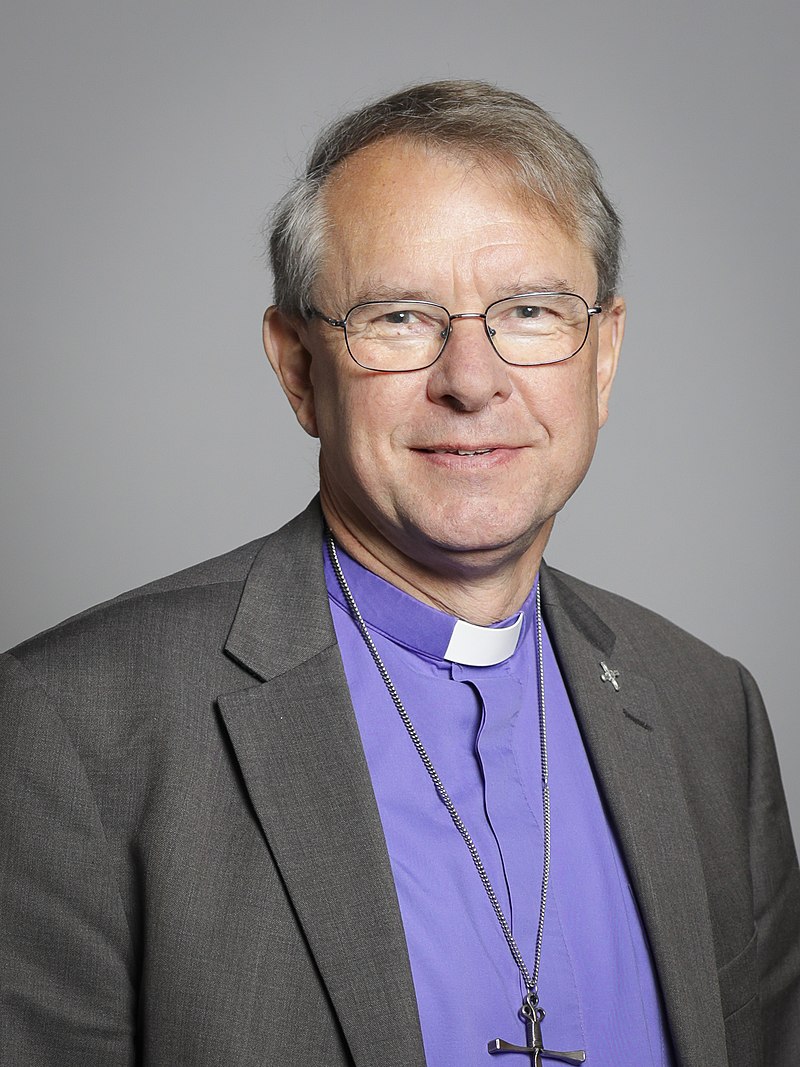
The Lord Bishop of Bristol: Can the Minister give an assessment of whether the health and social care levy will enable more people with moderate care needs to become eligible for social care funding?
Lord Kamall (Con): I thank the right reverend Prelate for that question. I am not able to answer it directly now, but I will send an answer.
On 26th October 2021, Andrew Selous MP, representing the Church Commissioners, gave the following written answer to a question from an MP:
Gareth Davies MP (Con, Grantham & Stamford): To ask the Member for South West Bedfordshire, representing the Church Commissioners, what representations he has received from (a) lay parish members and (b) clergy on the Mission from (i) from Grantham and Stamford constituency and (ii) areas of England on the Mission in Revision Synod Paper (GS2222).
The Bishop of Durham received the following written answer on 26th October 2021:
The Lord Bishop of Durham asked Her Majesty’s Government what steps they are taking to support countries that are vulnerable to disruption caused by climate change; what discussions they have had with the government of Burundi about the impact of rising water levels of Lake Tanganyika on the displacement of people; and what support, if any, they intend to provide to that country to mitigate the effects of climate change.
On 25th October 2021, the Bishop of Bristol spoke in a debate on the ethnicity pay gap in the UK, emphasising the importance of accurate data collection to understand and address pay gap issues:
The Lord Bishop of Bristol: I am grateful to the noble Lord, Lord Boateng, for raising this Question for Short Debate.
I know from my experience as the former Dean of York the significant positive impact gender pay gap reporting had on the implementation of inclusion policies in an institution which had previously been overwhelmingly male. Careful attention to the gender pay gap required us to focus continuously on developing opportunities for women, not least in our stoneyard among carpenters and stonemasons, where we achieved parity. We had equal opportunity for girl and boy choristers—but I admit that the back row of the choir presented more of a challenge.
The Bishop of St Albans tabled a question on efforts to alleviate in-work poverty in rural areas on 25th October 2021:
The Lord Bishop of St Albans: To ask Her Majesty’s Government, further to the report by the Rural Services Network Towards the UK Shared Prosperity Fund, published in June, what plans they have accurately to reflect in-work rural poverty in future funding allocation mechanisms.
On 25th October 2021, the Bishop of Bristol asked a question on consideration of nature and the environment in policy-making, during a debate on risks of climate change:
The Lord Bishop of Bristol: My Lords, following the recent Dasgupta review, then Government committed to incorporating nature into the national accounts and improving guidance for embedding environmental concerns into policy-making processes. Can the Government provide an update on the timescale for this work?
The Bishop of St Albans received the following written answer on 25th October 2021:
The Lord Bishop of St Albans asked Her Majesty’s Government, further to research by Femicide Census which found that 16 former or serving police officers had committed femicide since 2009, what assessment they have made as to whether male former or serving police officers commit violence against women, including femicide, at a higher rate compared to the general adult male population.
The Bishop of Durham received the following written answer on 25th October 2021:
The Lord Bishop of Durham asked Her Majesty’s Government what assessment they have made of the extent to which the proposed new Rwandan High Commissioner to the United Kingdom, Busingye Johnston, upholds international law; whether they intend to accept his diplomatic credentials; and what discussions they will have with the government of Rwanda about upholding international law.
The Lord Bishop of St Albans received the following written answer on 25th October 2021:
The Lord Bishop of St Albans asked Her Majesty’s Government what steps they plan to take to encourage other governments to adopt the UN resolution of 19 June calling for nations to halt arms sales to Myanmar and the ruling military junta.
On October 22nd 2021 Peers debated the Assisted Dying Bill of Baroness Meacher, at its Second Reading.
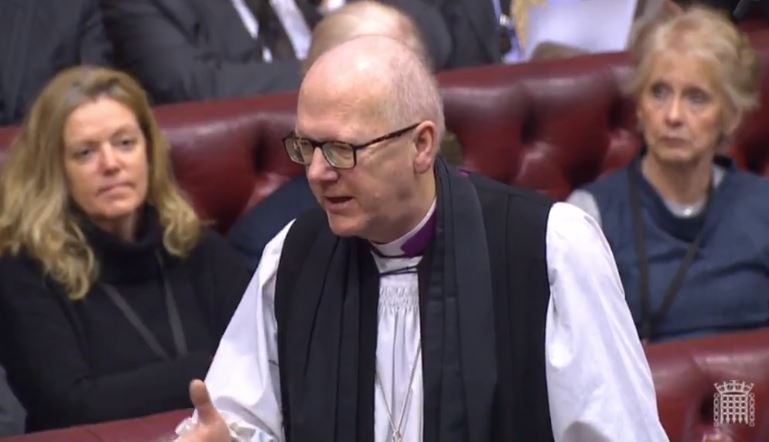
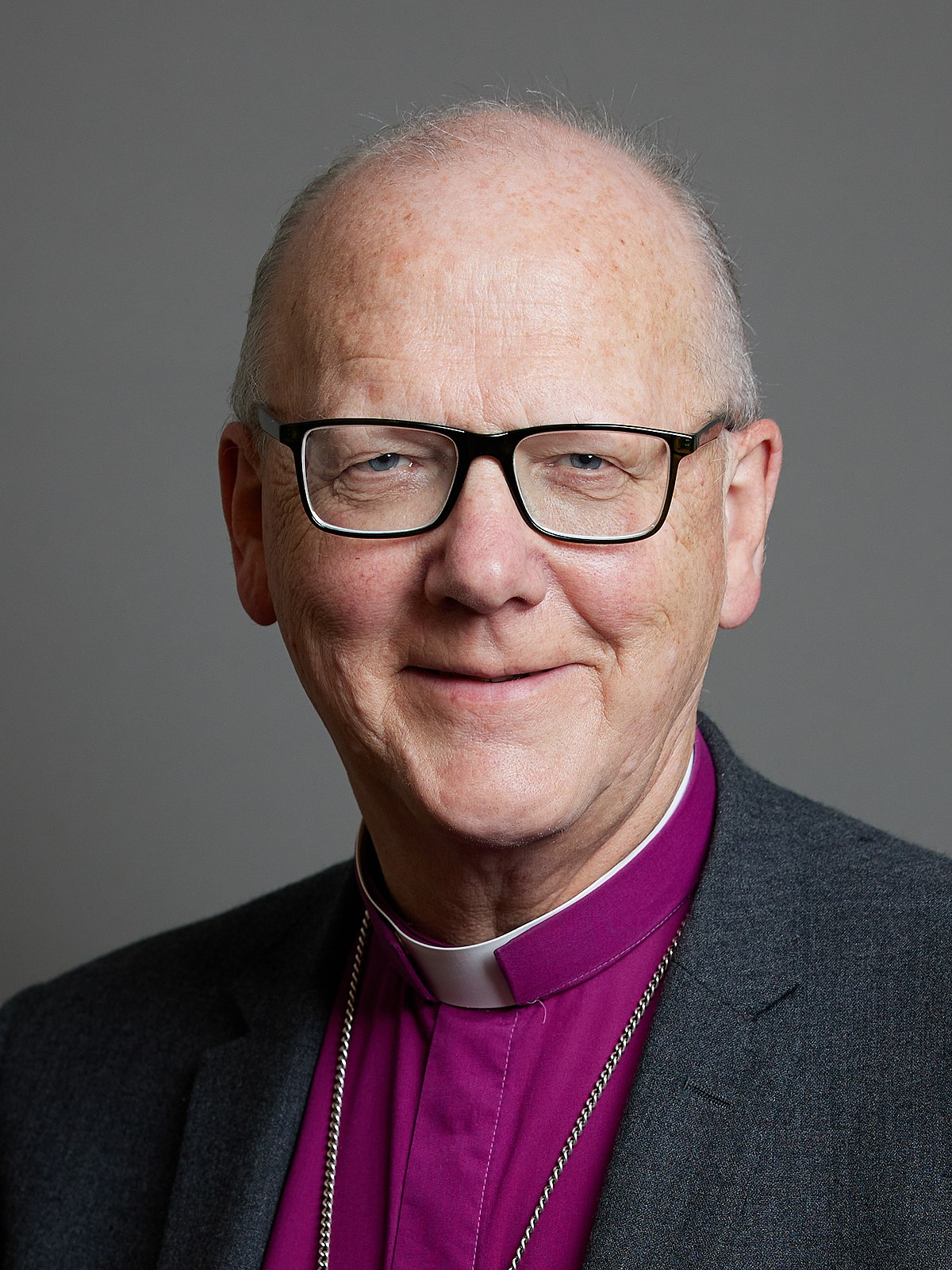
The Lord Bishop of Chichester: My Lords, I feel constrained to begin with a theological view, as the noble Lord, Lord Lipsey, challenged us to do. It is simply this: in the Christian view, God does not inflict evil on people. Indeed, the man God, Jesus Christ himself, sharing our life, experienced the evil and suffering of the cross in order that we, in the darkest moments of death, might find hope and the recovery of life in heaven. I believe that, in this debate, we have been treading on sacred ground as we have listened to personal stories, and we have done so with reverence.
Most of all, I want to speak about the wider context of vulnerability and to do so from the experience of the parishes where I have served; for example, the sex workers in the back streets of Plymouth, the largely black and Asian communities in Leicester, and the bedsits and overcrowded flats of Hastings, home to people with severe mental health issues and/or drug dependency. At the point of facing terminal illness, such people would reveal overwhelmingly that they have no family, and few friends or responsible partners to assist them through reaching the point of final death. Indeed, in many cases, they have had no experience of being given autonomy or power over their lives; at the end of their lives, they are woefully ill prepared for taking responsibility for their death.
The sanctity of life is central to Christian faith. It is also a view held with honour and conviction by people of other faiths, as we have heard. The Church’s sense of responsibility for all people stems from this conviction—responsibility especially for the vulnerable when they face death too often alone, but, at the moment, with the fundamental bulwark of protection in the law. This was a point made powerfully by the noble and right reverend Lord, Lord Harries, the noble Lord, Lord McColl, and, more recently, the noble Lord, Lord Herbert.
Many contributors have raised significant doubts about the level of trust in the capacity of the judiciary and the medical profession to meet the extraordinary demands of disadvantaged communities when terminal illness and incapacity face them. The call from the noble Lord, Lord Hastings, and others for urgent and sustained investment in palliative care would be a positive and worthy outcome to this important debate on a Bill whose humane intentions I respect profoundly but which, I believe, would lead to unintended consequences and which we should not let pass.





You must be logged in to post a comment.