
On 5th May 2020 the Second Church Estates Commissioner, Andrew Selous MP, answered two written questions from Alexander Stafford MP about church building closures and status of clergy during coronavirus restrictions:
Alexander Stafford (Rother Valley): 42227 To ask the right hon. Member for South West Bedfordshire, representing the Church Commissioners, when churches will be re-opened for worshippers.
 Andrew Selous: It is essential that when church buildings reopen for public worship or private prayer by members of the public, that it is done safely. In the meantime, churches across the country are holding virtual services and offering support to the vulnerable and elderly. Where they are unable to do this locally national resources are available such as the national church service on a Sunday and the Daily Hope phone line. Continue reading “Church Commissioner Written Answers: Church closures, status of churches and clergy”
 The Lord Bishop of Winchester:
 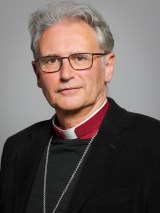 On 30th April and 4th May 2020 the Bishop of Coventry, Rt Revd Christopher Cocksworth, received written answers to questions on refugees in Syria and around the world and vulnerability to coronavirus:
 The Lord Bishop of St Albans:
 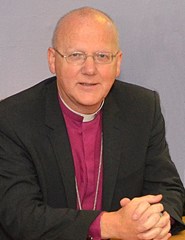 The Lord Bishop of St Albans:
 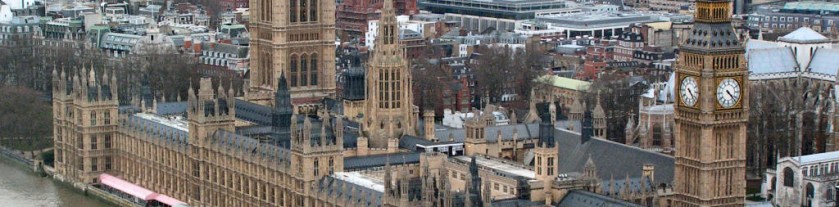 Parliament met this week, in Westminster and online.
  The Lord Bishop of Gloucester: My Lords, continuing the theme of children, given that lockdown has removed children’s usual contacts with schools, community groups and services, what are the Government doing to increase public awareness and provide advice and support for children at this time?

You must be logged in to post a comment.