
On 28th April 2020 during the online sitting of the House of Lords, the Bishop of St Albans, Rt Revd Alan Smith, asked a question he had tabled to Government on dairy prices. The response, and the follow-up questions from other Members are below. The session was interrupted by technological problems, which prevented the Minister from joining to give the initial reply.
The Lord Bishop of St Albans: To ask Her Majesty’s Government what assessment they have made of the impact of changing dairy prices on farmers.
The Question was considered in a Virtual Proceeding via video call.
The Lord Speaker (Lord Fowler): The Minister, Lord Gardiner of Kimble. Lord Gardiner? We have no Minister. Is the Whip able to answer this Question?
Lord Foulkes of Cumnock (Lab Co-op): Perhaps the Whip can explain why there is no Minister.
Lord Ashton of Hyde (Con): I will come in, as the Chief Whip. I am very sorry, but the answer is that I have no idea why my noble friend Lord Gardiner is unavailable. I apologise to the House. Something technical has obviously gone wrong, and I can only ask your Lordships’ forgiveness on this occasion. There will be a thorough inquiry into this, and I apologise to the House.
The Lord Speaker: Thank you, Chief Whip. Can you stay on the line and at least field the questions that will come? The right reverend Prelate needs to ask his supplementary.
The Lord Bishop of St Albans: Thank you very much. I cannot thank the Minister for his Answer because he has not given me one, but he will be aware that some dairy producers are unable to change contracts and are finding it extraordinarily difficult to access business support grants. What changes have Her Majesty’s Government made in the past month to cut red tape and save some of our dairy farmers who are going bankrupt?
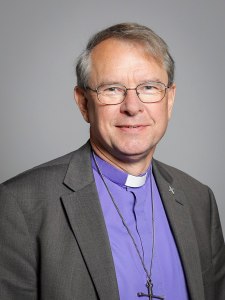 The Lord Bishop of Durham:
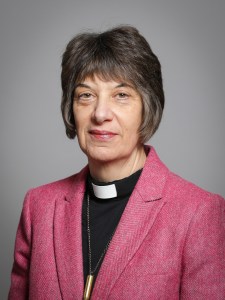 The Lord Bishop of Gloucester: My Lords, I echo what has been said already. I draw attention to my interests in the register, particularly the fact that I am president of the Nelson Trust. I will make just a few points.
 The Lord Bishop of Newcastle: My Lords, in view of the inability to supply sufficient PPE to where it is needed, despite the very best efforts of central government, will the Minister take note of the achievements of the Northumbria Healthcare NHS Foundation Trust, working in partnership with Wingrove Motor Company, Northumbria University, Barbour and many others, to produce and deliver PPE directly to hospitals and hospices in the region? Will the Minister consider devolving more power to the regions and those on the front line?
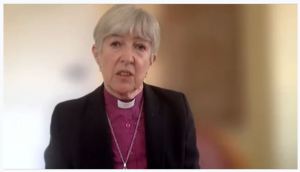 The Lord Bishop of Newcastle: My Lords, it is not just care homes facing these very serious challenges; I have learned that it is also hospices and sheltered accommodation, among other places. Managers responsible for those organisations are under enormous pressure trying to ensure safe staffing levels and the safety of their staff. I hope that sufficient PPE will soon be secured and distributed. Although I recognise the enormous challenge and the efforts that are being made towards that, in the immediate context where we do not have that, can the Minister tell us how the Government aim to advise and support those responsible for running our care homes, sheltered accommodation and hospices, who are having to make such difficult decisions now and many of whom feel abandoned and rather lonely in that responsibility?
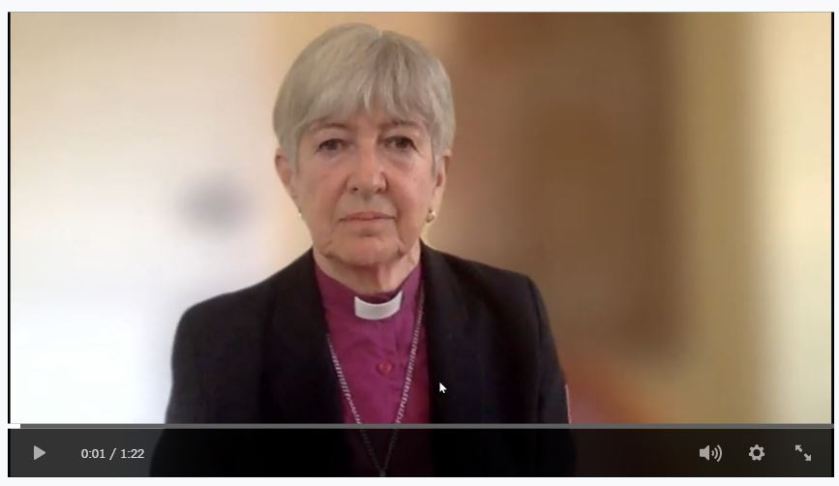 The House of Commons also combined virtual and physical proceedings, with some MPs present and others using technology to participate.
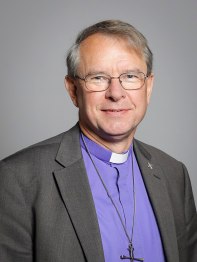 On 1st & 20th April 2020 the Bishop of Durham, Rt Revd Paul Butler, received answers to written questions on the immigration health surcharge:
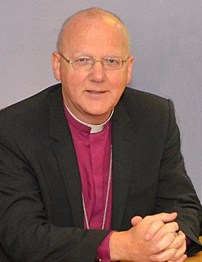 On 6th April 2020 the Bishop of St Albans, Rt Revd Alan Smith, received a written answer to a question on encouraging food production as a result of Covid-19.
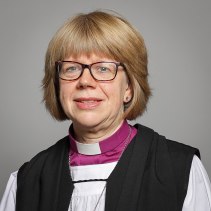 On 3rd April 2020 the Bishop of London, Rt Revd Sarah Mullally, received a written answer to a question on Covid-19 support to people in immigration removal centres:

You must be logged in to post a comment.