On 20th and 21st November the Bishop of Southwark, Rt Revd Christopher Chessun, received written answers to six questions on Israel – freedom of religion, Holy Land sites, church property and the Church Lands Bill before the Knesset:
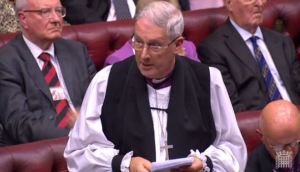 The Lord Bishop of Southwark:
(i) To ask Her Majesty’s Government what is their assessment of the Church Lands Bill which is being considered in the Israeli Knesset.
(ii) To ask Her Majesty’s Government what representations they have made to the government of Israel regarding the Church Lands Bill which is being considered in the Israeli Knesset.
(iii) To ask Her Majesty’s Government what is their assessment of freedom of religion or belief in Israel.
(iv) To ask Her Majesty’s Government what is their assessment of recent alleged breaches of the Status Quo of the Holy Land sites in Jerusalem.
(v) To ask Her Majesty’s Government what representations they have made to the government of Israel on the importance of respecting the Status Quo of the Holy Land sites in Jerusalem.
(vi) To ask Her Majesty’s Government what representations they have made to the government of Israel on the importance of protecting Church property in the Old City of Jerusalem, following the decision in July of the Jerusalem District Court in the Jaffa Gate case. Continue reading “Bishop of Southwark asks about Israel – freedom of religion, Holy Land sites, church property”


 On 21st November 2017 the Bishop of Oxford, Rt Revd Steven Croft, received a written answer to a question on food banks:
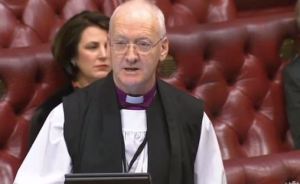 On 20th November 2017 Baroness Doocey asked Her Majesty’s Government “what assessment they have made of the impact that the United Kingdom’s exit from the European Union Open Skies Agreement would have on the United Kingdom’s tourism industry.” The Minister was unable to give a clear commitment to deal with aviation separately and in advance of the main negotiations with the EU on Brexit, so the Bishop of Leeds, Rt Revd Nick Baines, asked a follow up question:
 The Lord Bishop of Coventry: To ask Her Majesty’s Government how many funding proposals on freedom of religion or belief have been received by the Cabinet Office’s Commonwealth Summit Unit’s Kickstart programme; how many of those proposals were successful; and what was the value of the successful proposals.
  On 20th November 2017 the Bishop of Leeds, Rt Revd Nick Baines, received two written answers to questions on religious freedom and the 2018 Commonwealth Summit:
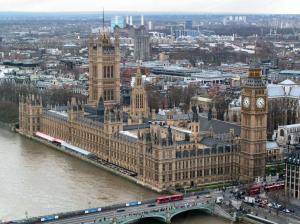 This week in the House of Lords bishops led debates on rising household debt and the freeze on benefits and spoke in other debates on universal credit and education funding. They asked questions about Zimbabwe, new housing, freedom of religion and belief, Saudi Arabia, human rights, and cathedrals.
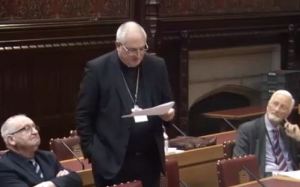 The Church has, down the centuries, provided a constant yet adaptable force in education. The Church of England recently produced a new vision for education, two pillars of which are dignity and hope. As the ultimate aim of our schools is to promote human flourishing, we are particularly concerned—particularly in our emphasis on supporting schools in areas of disadvantage—to enable every child to fulfil his or her aspirations, and indeed to be given the opportunity to have any aspirations in the first place.
 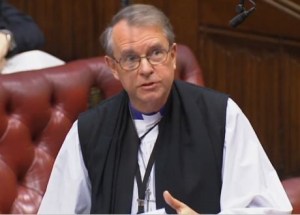 The Lord Bishop of Durham: My Lords, I, too, congratulate the noble Baroness, Lady Hollis, on securing this debate and on her introduction.

You must be logged in to post a comment.