On 20th February 2017 the House of Lords held the first in a two-day debate on the Government’s EU (Notification of Withdrawal) Bill. The Bill would give the Government authority to begin the process of withdrawal from the European Union. The Bishop of Southwark, Rt Revd Christopher Chessun, spoke in the debate:
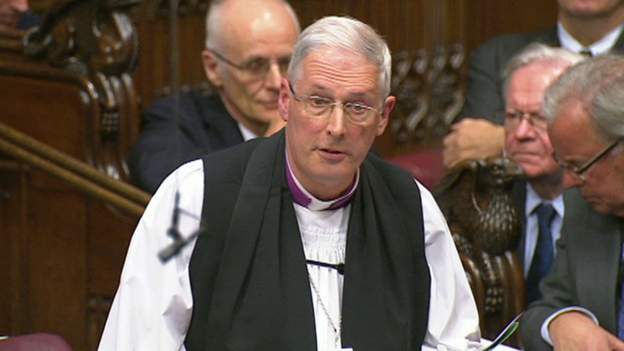
The Lord Bishop of Southwark:As many in your Lordships’ House are aware, my diocese covers most of south London and east Surrey. The voters there opted to remain in the European Union on 23 June 2016 by some margin; in the borough of Lambeth, where I live, nearly 80% of those voting opted to remain. Only in Sutton and in Surrey did votes tip the other way. What I have occasionally heard articulated, but have yet to see in action, is how the aspirations of those people—and indeed, if one thinks more widely, Londoners in general, or Scots, or the people of Northern Ireland or simply people under the age of 45—are to be taken into account. The majority of all these groups voted to remain. If we adopt a model for leaving the EU that ignores them, we risk a regional divide, generational resentment and a threat to the union.
Continue reading “EU (Notification of Withdrawal) Bill – speech by Bishop of Southwark”

 On 22nd February 2017, Baroness Sheehan asked the Government “why Department for International Development funding to the non-governmental organisation Girl Effect has been withdrawn.” The Bishop of Leeds, the Rt Revd. Nick Baines, asked a follow up question.
 on 21st February 2017, the House of Lords considered the Government’s ‘Bereavement Support Payment Regulations 2017’ in Grand Committee. The Bishop of St Albans, the Rt Revd Alan Smith, contributed to the debate. Lord Henley responded on behalf of the Government.
 On 21st February 2017, the Bishop of St Albans, the Rt Revd Alan Smith, asked a question he had tabled to Government about levels of air pollution in cities. The Parliamentary Under-Secretary of State for DEFRA, Lord Gardiner of Kimble, responded and the follow-up questions of other Peers are also included below.
 On 21st February 2017, Lord Harries of Pentregarth asked Her Majesty’s Government “what representations they have made to the government of Indonesia concerning human rights abuses in West Papua”. The Bishop of Southwark, the Rt Revd Christopher Chessun, asked a follow up question about West Papuans being arrested for peaceful demonstrations.
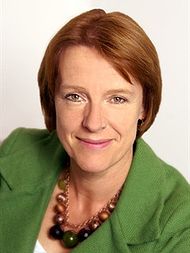 On the 20th February 2017 the Second Church Estates Commissioner, Rt Hon Dame Caroline Spelman MP, answered a written question from Labour MP Jon Trickett about the issuing of security passes to non-staff members.
 On the 20th February 2017, the Bishop of St Albans, the Rt Revd Alan Smith, received an answer to a written question about the Government support for a UN inquiry into human rights abuses in Northern Rhakine.
 On the 20th February 2017, the Bishop of Coventry, the Rt Revd Christopher Cocksworth, received written answers to questions about the situation in Iraq.
 On the 20th February 2017, Lord Oates asked the Government “how many secondary schools in England do not currently provide in-school counselling services for their students.” The Bishop of Ely, the Rt Revd Stephen Conway, asked a supplementary question.
 On 20th February 2017, Lord Brown of Eaton-under-Heywood asked the Government “what is their response to the recommendation of Michael Gove, the former Secretary of State for Justice, in his November 2016 Longford Lecture that the approximately 500 Imprisonment for Public Protection (IPP) prisoners “who have been in jail for far longer than the tariff for their offence” should be released.” The Bishop of Southwark, the Rt Revd Christopher Chessun, asked a supplementary question.

You must be logged in to post a comment.