On 23rd February 2021, the House of Lords debated Commons Reasons and Amendments to the Trade Bill. A vote was held on an amendment to the bill, in which Bishops took part.

On 23rd February 2021, the House of Lords debated Commons Reasons and Amendments to the Trade Bill. A vote was held on an amendment to the bill, in which Bishops took part.
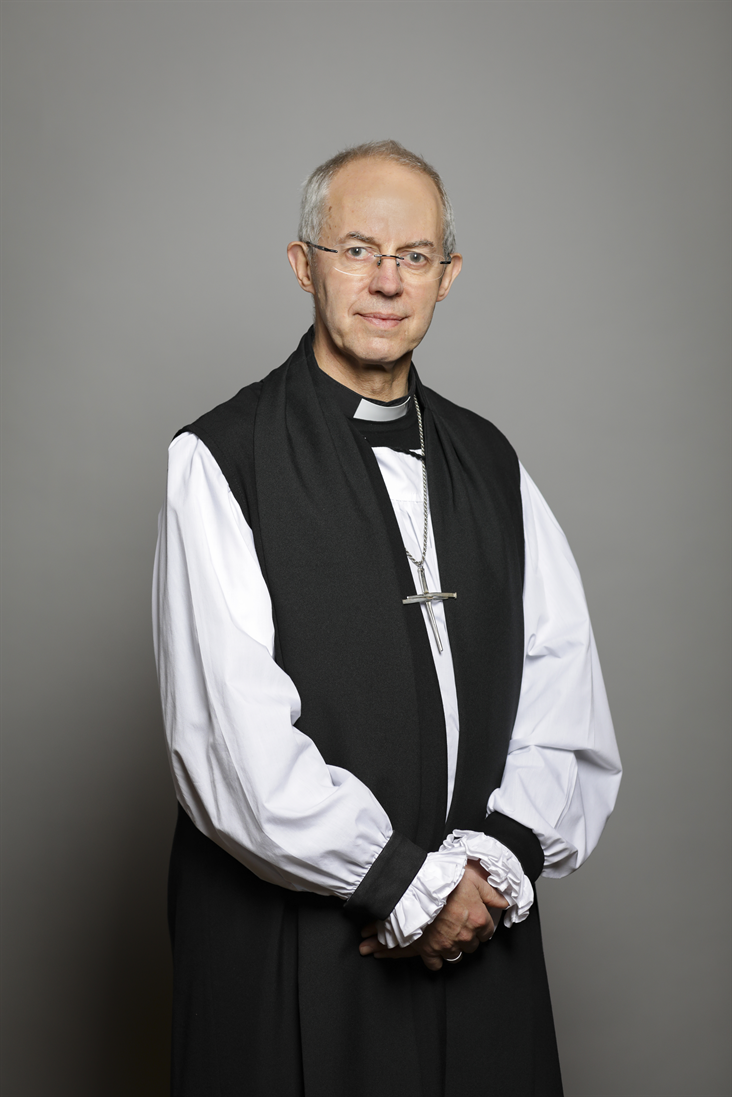
The Archbishop of Canterbury received the following written answer on 10th February 2021:
The Lord Archbishop of Canterbury asked Her Majesty’s Government what assessment they have made of whether their target for the number of affordable homes that they want to see built is sufficient to meet the demand for such homes.
Continue reading “Archbishop of Canterbury asks about construction of affordable housing”The Archbishop of Canterbury received the following written answer on 9th February 2021:
The Lord Archbishop of Canterbury asked Her Majesty’s Government, further to the answer by Lord Greenhalgh on 26 January (HL Deb, col 1500), what assessment they have made of the level of household income that would be needed to afford a home defined as “affordable”.
Continue reading “Archbishop of Canterbury asks about definition of affordable housing”On 2nd February 2021, the House of Lords debated Commons Amendments to the Trade Bill. Votes were held on further amendments to the bill, in which Bishops took part:
The Archbishop of Canterbury received the following written answer on 2nd February 2021:
The Lord Archbishop of Canterbury asked Her Majesty’s Government why they did not approve the application by the Port of Dover for funding to double the capacity for passport checks by the government of France at that port.
Continue reading “Archbishop of Canterbury asks about immigration controls at the Port of Dover”The Archbishop of Canterbury received the following written answer on 27th January 2021:
The Lord Archbishop of Canterbury asked Her Majesty’s Government what plans they have to increase the (1) capacity, and (2) resilience, of the Port of Dover.
Continue reading “Archbishop of Canterbury asks about increasing capacity and resilience of the Port of Dover”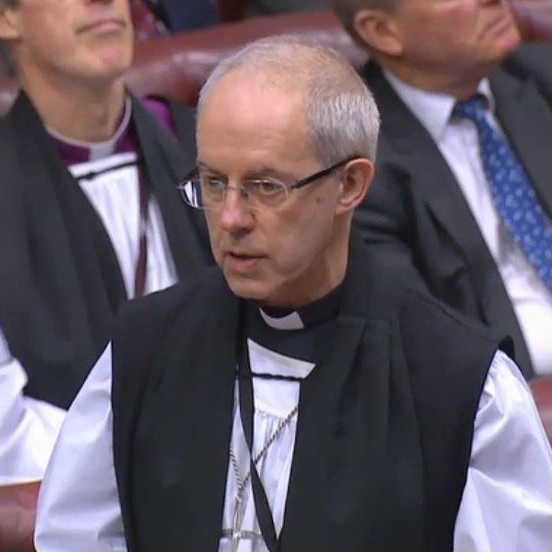
On 26th January 2021, the Archbishop of Canterbury asked a question on the criteria used by the government to define affordable housing, in advance of a Church of England report on housing and communities:
The Lord Archbishop of Canterbury: My Lords, I declare non-financial interests in various Church lands through numerous charities of which I am a member. The Church will be publishing a housing, church and communities report in February. Can the Minister tell us what criteria Her Majesty’s Government use to define affordable housing? Is it genuinely affordable in the sense that most people would use the word?
Continue reading “Archbishop of Canterbury asks about criteria for defining affordable housing”The Archbishop of Canterbury spoke during a discussion on global access to COVID-19 vaccinations on 21st January 2021, asking how the government planned to tackle issues facing vaccine distribution:
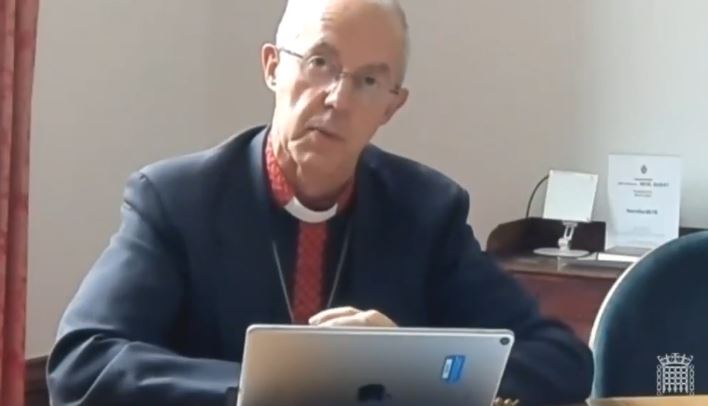
The Lord Archbishop of Canterbury: My Lords, we must welcome warmly the exceptional moral leadership in this remarkable donation to the COVAX programme, which I think is the largest of any country. However, in order to make the money work, and to follow up what the British ambassador, Julian Braithwaite, said at the WHO, we need a global vaccination campaign if we are to overcome this global pandemic. There are three particular obstructions to overcome. One relates to the use of surplus supplies of vaccine; for example, Canada has ordered more than five times what it needs for its population. The second is misinformation, mythical dangers or false stories being deliberately spread about the vaccines. Thirdly, in many parts of the countries that will need the vaccine, there are immense logistical difficulties in distributing it. To make the most of the financial leadership we have set and given our expertise, experience and success in the rollout in this country, what will the Government do to validate that gift by overcoming these three challenges?
Continue reading “Archbishop of Canterbury asks about challenges facing global vaccine distribution”The Archbishop of Canterbury received the following written answer on 5th January 2021:
The Lord Archbishop of Canterbury asked Her Majesty’s Government what plans they have to ensure sufficient funding to enable adequate passport checking facilities at the Port of Dover following the end of the transition period for the UK’s departure from the EU.
Continue reading “Archbishop of Canterbury asks about funding for passport checking facilities at the Port of Dover”On 30th December 2020 the House of Lords considered the Government’s European Union (Future Relationship) Bill at all stages. Three votes were held on the Bill, in which bishops took part:
 The Church of England in Parliament
You must be logged in to post a comment.