The Bishop of Durham spoke in a debate on regional inequalities on 14th October 2021, discussing issues relating to child poverty and health inequality:
The Lord Bishop of Durham: My Lords, I thank the noble Lord, Lord Liddle, for securing this debate, and am pleased to follow on from the noble Lord, Lord Young of Cookham. I, too, look forward to the maiden speech of the noble Viscount, Lord Stansgate.
Jubilee is a strong theme of our Judaeo-Christian tradition. Jubilee includes setting people free from the impacts of inequality. If levelling up is going to mean anything significant, it must tackle the inequalities that exist in our nation. It needs to be a kind of jubilee.
This week is Challenge Poverty Week. Child poverty is a very good measure of regional inequalities within England, as it is both an indicator of poverty and a perpetuator of it. Child poverty highlights the complexity of issues that cause it, including education and employment. It has lifelong impacts on children as they grow into adults and shape their communities. The recent report by Donald Hirsch for Loughborough University estimates that the cost of child poverty is £38 billion a year, a significant increase in the past five years.
We see far higher levels of child poverty in some places than others. It is not a simple divide of a wealthy London and an impoverished north. The Institute for Fiscal Studies reported in its Green Budget for 2020 that
“inequalities within regions are larger than the inequalities between regions.”
Continue reading “Bishop of Durham speaks about tackling child poverty and health inequality”

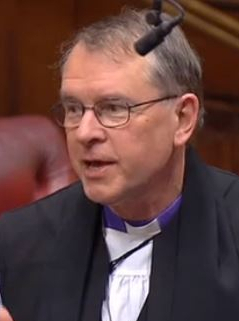
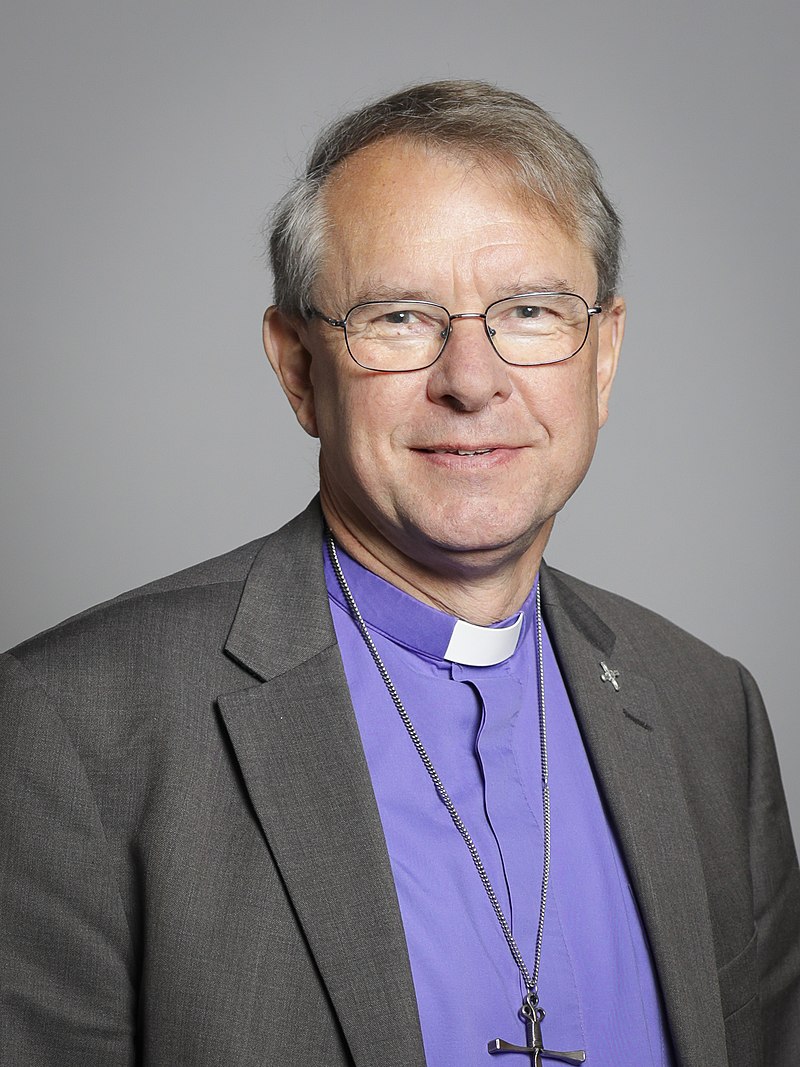
 The Lord Bishop of Durham [V]: Given the ONS recent findings that the lowest regional life expectancy for both male and female children at birth in 2017-19 was observed in my area of the north-east of England, when will Her Majesty’s Government commit to a full-blown strategy to eliminate the obstacles disproportionately facing children in poverty here in the north-east?
 The Lord Bishop of Worcester [V]: My Lords, I speak today on behalf of the right reverend Prelate the Bishop of Newcastle, who has been delayed travelling to London. Like her, I am very aware of the relationship between child poverty and a lack of social mobility, but she has a special interest as independent chair of the North of Tyne Inclusive Economy Board. Child poverty is central to the Government’s levelling-up agenda. Since 35% of children in the north-east of England live in relative poverty, would the Minister tell us if Her Majesty’s Government will work with the Social Mobility Commission to develop a national child poverty strategy in response to the Covid-19 pandemic?
 The Lord Bishop of Durham [V]: I warmly welcome so much in the Statement and in the decisions made; I also associate myself with those who ask why it did not all happen a bit more quickly. None the less, this has exposed the underlying fundamental structural issues which mean that we are not tackling child poverty in the round and as a whole. What consideration have Her Majesty’s Government given to creating really long-term solutions by forming a child poverty commission, as proposed by faith leaders in their recent letter to the Prime Minister?
  The Lord Bishop of Durham [V]: My Lords, in the light of the Minister’s last answer about continual review, in April 2019 59% of families affected by the two-child limit were working, with many struggling to afford essentials. When the new statistics on the policy are released tomorrow, will Her Majesty’s Government finally agree to review and assess the evidence that the two-child limit negatively impacts children in working families and that lifting it is the most effective way to reduce the number of children living in poverty?
  The Church of England in Parliament
You must be logged in to post a comment.