Bishop of St Albans takes part in debate on deaths caused by social media

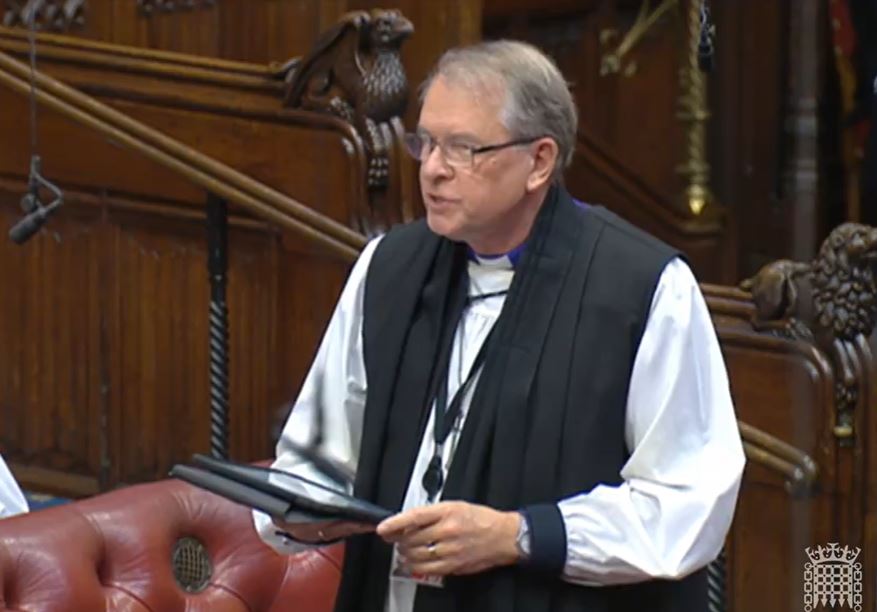
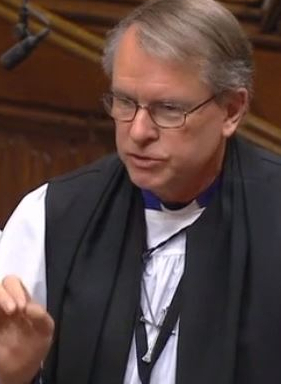
The Bishop of St Albans spoke in a debate on the role of social media in children’s deaths on 20th January 2023, drawing attention to the broadness of social factors contributing to children’s deaths:

The Lord Bishop of St Albans: My Lords, I too thank the noble Baroness, Lady Kidron, for securing this most important debate on the contributory role of social media to the deaths of children, and I pay tribute to her persistent campaigning on this subject. It is a timely debate given that only a month ago we received the legislative scrutiny committee’s report on the draft online harms Bill.

I want to focus on the whole question of the extent to which we understand the numbers and the causes of child deaths, not only where social media plays a significant role but in a whole range of other issues. This is a much broader problem than just this topic, although it is a superb example of why we need better research and better recording of data.

In December, your Lordships’ House debated the Second Reading of my Coroners (Determination of Suicide) Bill. It would require coroners to record any relevant contributory factors once a death by suicide has been officially determined. It would not be a finding in law, the results would be anonymised and published anonymously, and it would be akin to the well-established processes that hospitals have for recording comorbidities of death.

Continue reading “Bishop of St Albans takes part in debate on deaths caused by social media”
Health and Care Bill: Bishop of Birmingham supports strengthening services for children and young people

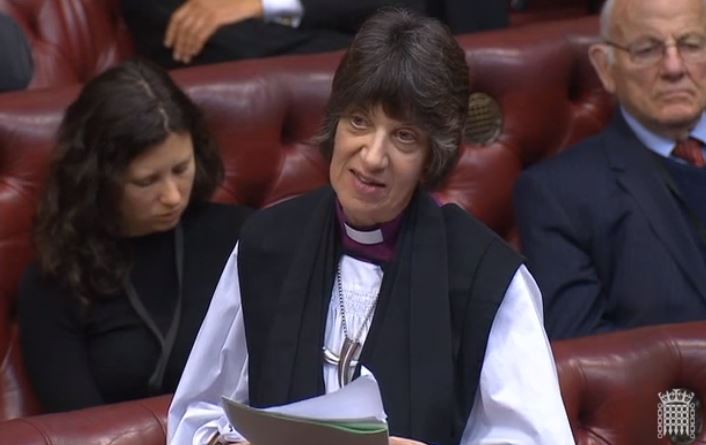
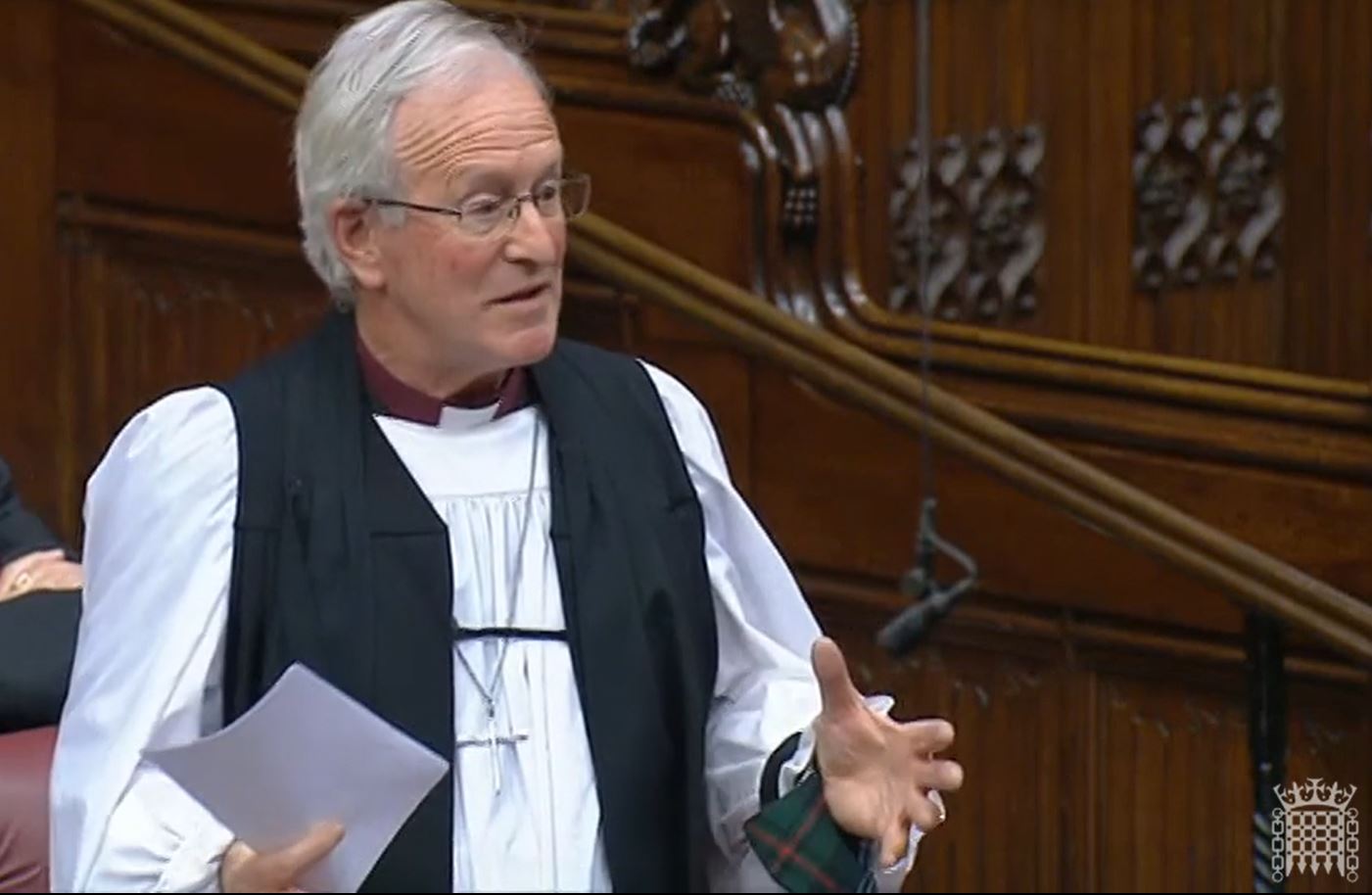
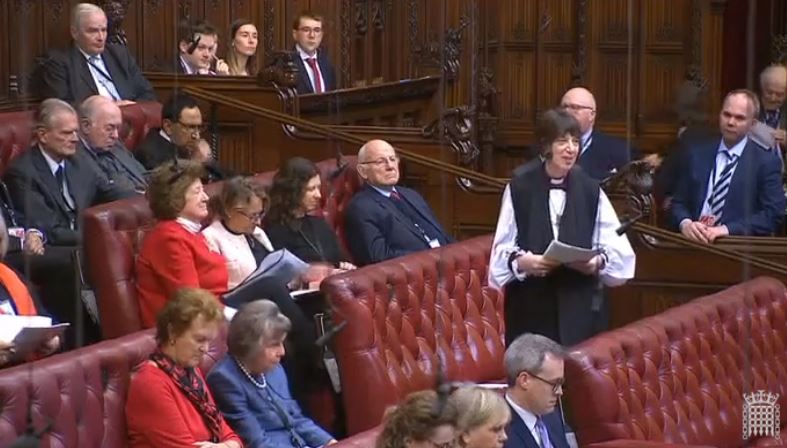
On 18th January 2022, the House of Lords debated the Health and Care Bill. The Bishop of Birmingham, on behalf of the Bishop of London, spoke in support of amendments aimed at strengthening public health services for children and young people:

The Lord Bishop of Birmingham: My Lords, on behalf of my right reverend friend the Bishop of London, who cannot be in her place today, I speak in support of Amendment 141, to which she has put her name, alongside all the amendments, which I too support, having listened to the discussion and read them carefully. They all aim to strengthen the services for children and young people. The Government should be congratulated on continuing in the NHS a long period—perhaps 20 to 30 years—of raising the profile of children and young people. The work of the clinical director should be noted, and the involvement of young people in the design of services, although we have already heard this morning that this could be increased.

Continue reading “Health and Care Bill: Bishop of Birmingham supports strengthening services for children and young people”

Police, Crime, Sentencing and Courts Bill: Bishops of Gloucester & Derby support updated statutory definition of child criminal exploitation

The Lord Bishop of Gloucester

On 12th January 2022, the House of Lords debated amendments to the Police, Crime, Sentencing and Courts Bill. The Bishop of Gloucester, on behalf of the Bishop of Derby, spoke in support of an amendment tabled by Lord Rosser which would introduce a new statutory definition of child criminal exploitation:

The Lord Bishop of Gloucester: My Lords, I speak in place of my right reverend friend the Bishop of Derby, who sadly cannot be here today. She and I support this amendment, to which she has added her name. I declare her interest as vice-chair of the Children’s Society. These are her words.

The Lord Bishop of Derby
Continue reading “Police, Crime, Sentencing and Courts Bill: Bishops of Gloucester & Derby support updated statutory definition of child criminal exploitation”

Nationality and Borders Bill: Bishop of Durham raises concerns about effects on children

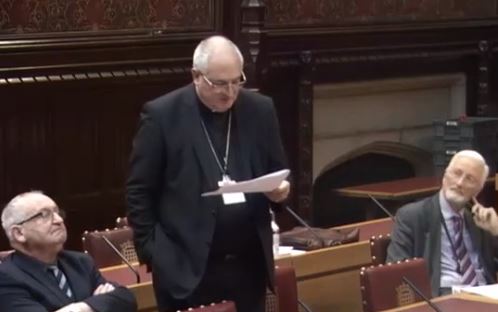
On 5th January 2022, the Nationality and Borders Bill was introduced to the House of Lords in its second reading. The Bishop of Durham spoke in the debate that followed, raising concerns that bill would fail to adequately protect children and others seeking asylum:

The Lord Bishop of Durham: I declare my interests as a member of the RAMP Project and a trustee of Reset, as laid out in the register. This Bill will raise strong views across the Chamber, as already illustrated by the three Front-Bench introductions, for which I thank all three, because I believe that they have served the House well in all three cases. I hope that we can have a debate that is reasoned and evidence-based, ever mindful of the individual humanity of each asylum seeker and refugee of whom we speak.

This Bill needs to be assessed against the Home Office’s own values of being compassionate, respectful, courageous and collaborative. Other values are important, too: the value of every human being as one made in the image of, and loved by, God, the value that we place on the rights of the child both through the United Nations and the Children Act 1989—and then there are the values relating to the right to family life.

Continue reading “Nationality and Borders Bill: Bishop of Durham raises concerns about effects on children”

Bishop of Durham asks about exclusions of pupils with special educational needs and disabilities

The Bishop of Durham received the following written answer on 8th December 2021:

The Lord Bishop of Durham asked Her Majesty’s Government:

  • how many students with Special Educational Needs and Disabilities have been informally excluded in the last academic year.
  • what assessment they have made of the report by the National Autistic Society School Report 2021, published on 9 November; in particular, the findings about informal exclusions; and what steps they intend to take in response to ensure that schools do not practice such exclusions.

Baroness Barran (Con): The department does not hold figures on the number of pupils who have been informally excluded from school. Informal exclusions are unlawful and therefore there is no mechanism for recording them.

Continue reading “Bishop of Durham asks about exclusions of pupils with special educational needs and disabilities”

Bishop of Durham asks about cases of missing child refugees

The Bishop of Durham received the following written answer on 7th December 2021:

The Lord Bishop of Durham asked Her Majesty’s Government:

  • how many missing persons cases of child refugees have been issued in 2021.
  • what records they keep of the number of child refugees who go missing in the UK.

Baroness Williams of Trafford: Safeguarding procedures are in place to ensure children in temporary accommodation are safe and supported until a permanent place can be found with a local authority.

Continue reading “Bishop of Durham asks about cases of missing child refugees”

Bishop of Durham asks about number of child refugees in local authority care in the UK

The Bishop of Durham received the following written answer on 2nd December 2021:

The Lord Bishop of Durham asked Her Majesty’s Government how many child refugees are currently in looked after care in the UK.

Baroness Barran (Con): The department does not collect data on all child refugees that are currently in care, but does collect data on the number of unaccompanied asylum-seeking children (UASC) who are looked after by local authorities in England. Of the 80,850 children looked after up to 31 March 2021, there were 4,070 UASC, down 20% from the previous year which was 5,060.

Continue reading “Bishop of Durham asks about number of child refugees in local authority care in the UK”

Bishop of Gloucester asks about benefits of early years interventions

The Bishop of Gloucester tabled a question on the benefits of early years interventions for welfare and social mobility on 1st December 2021:

The Lord Bishop of Gloucester: To ask Her Majesty’s Government what assessment they have made of the benefits of early years interventions on people’s welfare and social mobility later in life.

Baroness Chisholm of Owlpen (Con): My Lords, we know that the early years are key to children’s later life chances, and effective early support is crucial. That is why we have put unprecedented investment into childcare over the past decade, committed £153 million to support education recovery in the early years, rolled out the proven Nuffield Early Language Intervention, and have announced £300 million to create a network of family hubs and transform crucial Start for Life services.

Continue reading “Bishop of Gloucester asks about benefits of early years interventions”

Bishop of Ely asks about number of children awaiting speech and language therapy, physiotherapy, and occupational therapy

The Bishop of Ely asked a question on the number of children waiting for speech and language therapy, physiotherapy and occupational therapy assessments following initial assessments on 16th November 2021, during a debate on NHS waiting lists in England:

The Lord Bishop of Ely: My Lords, can the Minister confirm the number of children waiting for treatment for speech and language and for physiotherapy and occupational therapy assessments after their initial assessment? Those treatments are vital for supporting educational development of children as we recover from the pandemic. Are those figures included in the published waiting list figures—and, if not, why not?

Lord Kamall (Con): I thank the right reverend Prelate for that question. Unfortunately, I do not have the statistics with me, but I shall write to him.

Hansard

Police, Crime, Sentencing & Courts Bill: Bishop of Durham supports exclusion of children from changes to mandatory minimum sentences

On 10th November 2021, during a debate on amendments to the Police, Crime, Sentencing & Courts Bill, the Bishop of Durham, on behalf of the Bishop of Derby, spoke in support of an amendment tabled by Baroness Massey which would ensure that children would not be affected by the imposition of changes to mandatory minimum sentences under the bill:

The Lord Bishop of Durham: My Lords, I speak on behalf of the right reverend Prelate the Bishop of Derby on this occasion, who could not be here today. I add my support to Amendments 198, 199, 200 and 201, in the name of the noble Baroness, Lady Massey, which deal with tariff starting points or DHMP sentences as they relate to young people. The noble Baroness laid out well the case for amending Clause 104 so that it takes into account evidence on maturation. I will briefly add the right reverend Prelate the Bishop of Derby’s perspective as a Lord spiritual and as part of a team of Bishops focused on Her Majesty’s prisons, particularly young offender institutions. She also declares an interest as vice-chair of the Children’s Society.

Children ought to be treated as children, and we resist any erosion of that in law. If we are to argue to the contrary we must be content to go against the trajectory of every other arena of English law. Eighteen is soon to become the age at which people can legally marry, leave education and join the Armed Forces. I urge noble Lords to reflect on this. If we project from this that children are to be protected from making decisions about marriage, education and even enlisting in Her Majesty’s Armed Forces until they reach a maturation point of 18, then the same logic surely must continue to apply in this instance.

Continue reading “Police, Crime, Sentencing & Courts Bill: Bishop of Durham supports exclusion of children from changes to mandatory minimum sentences”