
On 13th June 2019 Baroness Brinton asked the Government “what steps they are taking to ensure that unpaid carers receive the support to which they are entitled.” The Bishop of St Albans, Rt Revd Alan Smith, asked a follow-up question:
 The Lord Bishop of St Albans: My Lords, I am sure that we all want to encourage stronger family and community life, which is the very bedrock of healthy societies, but there is one group in particular that needs help and that is the 166,000 underage carers in England. Research by the Children’s Society suggests that that is just the tip of the iceberg—indeed, a huge underestimate. Many of these young people do not realise that they classify as carers: it is just what they have had to deal with. In many cases it is affecting their schooling and mental health. What are Her Majesty’s Government able to do to help and support underage carers in particular?
 The Lord Bishop of Winchester: My Lords, in a recent poll of teachers in England, 46% reported that holiday hunger had increased over the last three years. In my diocese, in Southampton alone 37% of children—many of whom are in working families—are living in relative poverty; that is, below the 60% median income line. Despite what she has already said, can the Minister give assurances that the Government will commit to reviewing their policies to reverse the rise in child poverty?
 On 16th May 2019 the Bishop of St Albans, Rt Revd Alan Smith, received a written answer to a question on forced marriage and children:
 The Lord Bishop of St Albans: My Lords, the UNCRC states that the best interests of the child must be paramount in all decision making and yet evidence that our Benches are collecting shows that the two-child limit policy is having a substantially negative impact on those families affected by it. In the light of the Government’s obligations under UNCRC, will the Minister undertake to commission independent research into the impact of the two-child limit policy on those families which are affected by it?
 The Lord Bishop of Durham: My Lords, I also thank the noble Lord, Lord Gilbert of Panteg, and the committee for the report, which made for fascinating reading. My friend the right reverend Prelate the Bishop of Chelmsford sends his apologies for not being in his place today; he is elsewhere in the world with the most reverend Primate the Archbishop of Canterbury, and so asked me to address one or two matters. I take complete responsibility for what I say, although he said that I must talk about self-regulation.
 The Lord Bishop of Durham: My Lords, it is my pleasure to follow the noble Baroness, Lady Tyler, and I fully endorse everything she said about the context of relationships being at the heart of all this. I welcome the discussion and the framework. The Church of England, as the biggest single education provider in the country, has been among the parties engaged in the consultation, for which we are deeply grateful.
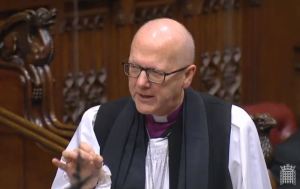 The Lord Bishop of St Albans:
 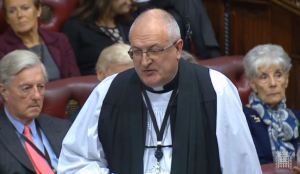 The Lord Bishop of Ely: My Lords, I understand that the purpose of the 2014 set of reforms was to ensure a holistic approach by health, education and social care services in the support of children with special needs and of their families. But when appeals take place, I understand that it is not uncommon for social care services to say that they do not know the child. Are the Government ensuring proactive co-operation between health, social care and education services in supporting such children and their parents?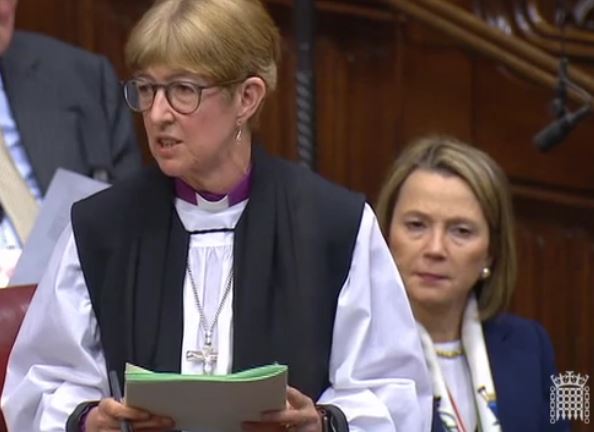


You must be logged in to post a comment.