Bishop of Lichfield highlights role of education in community cohesion

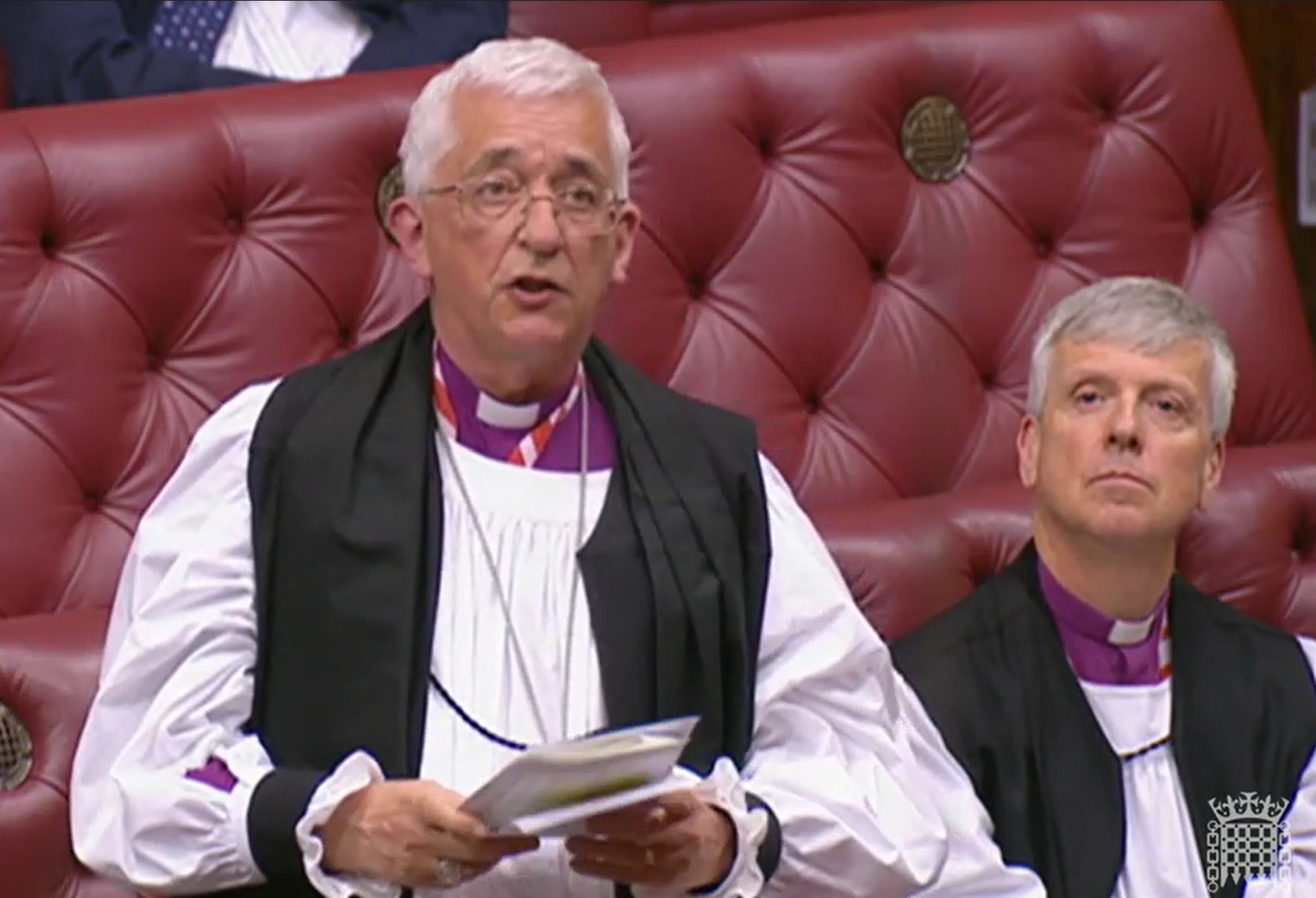
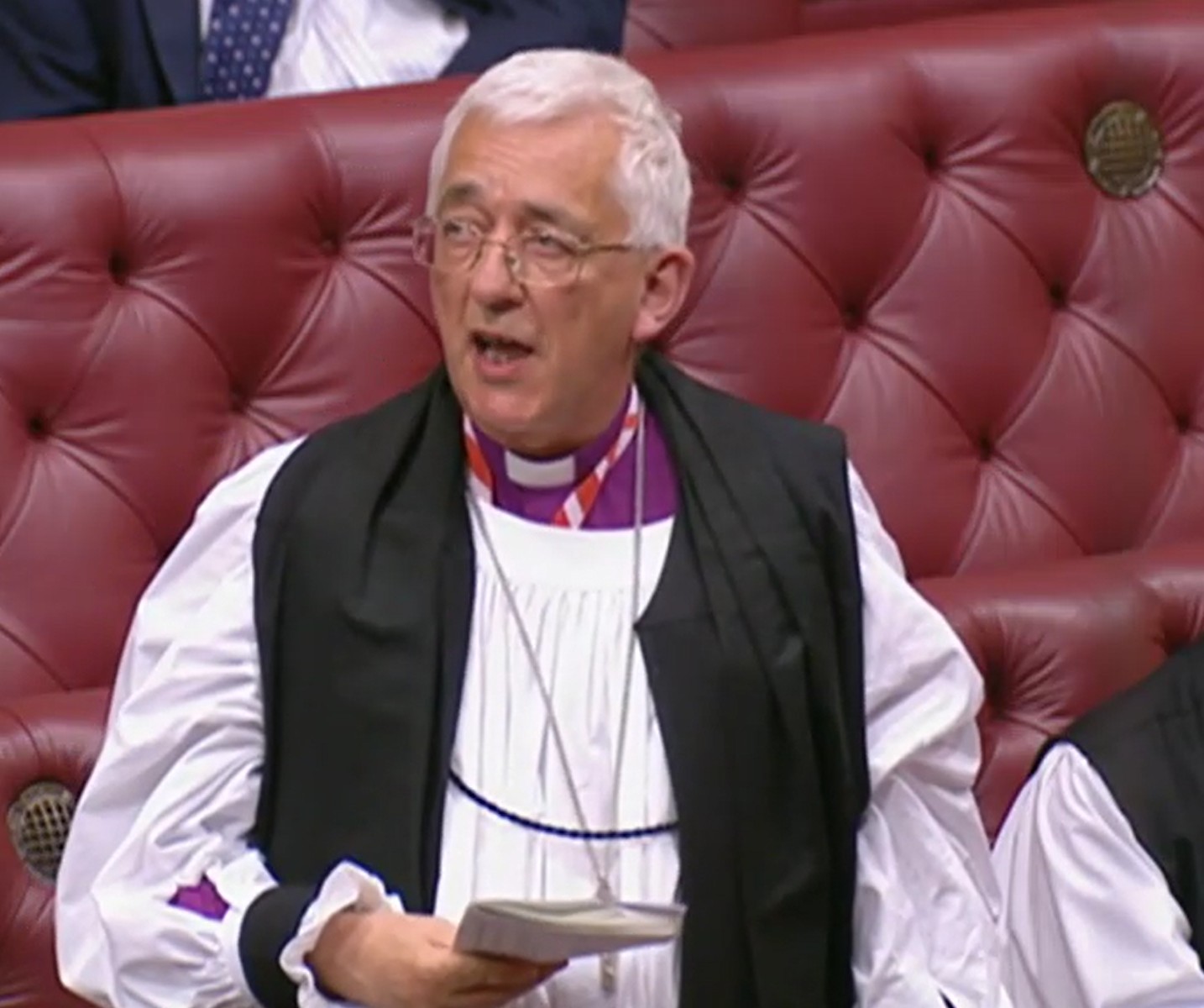
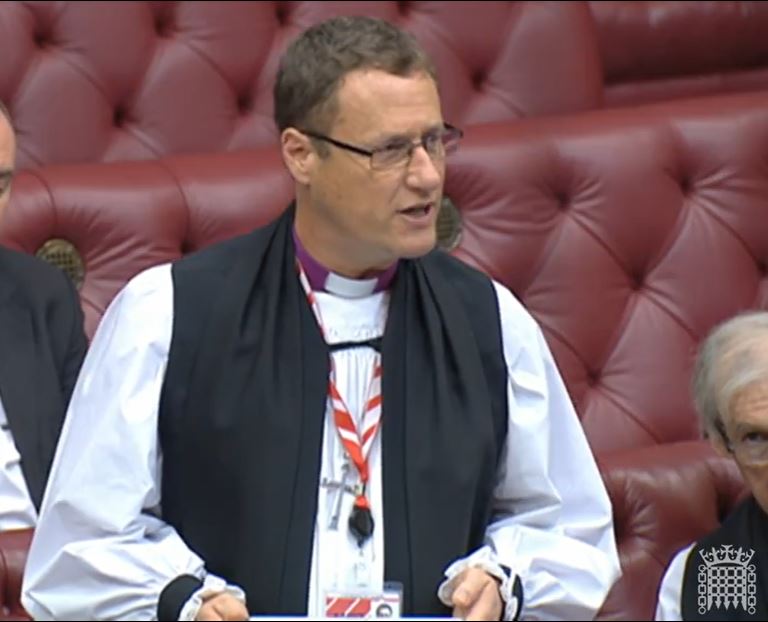
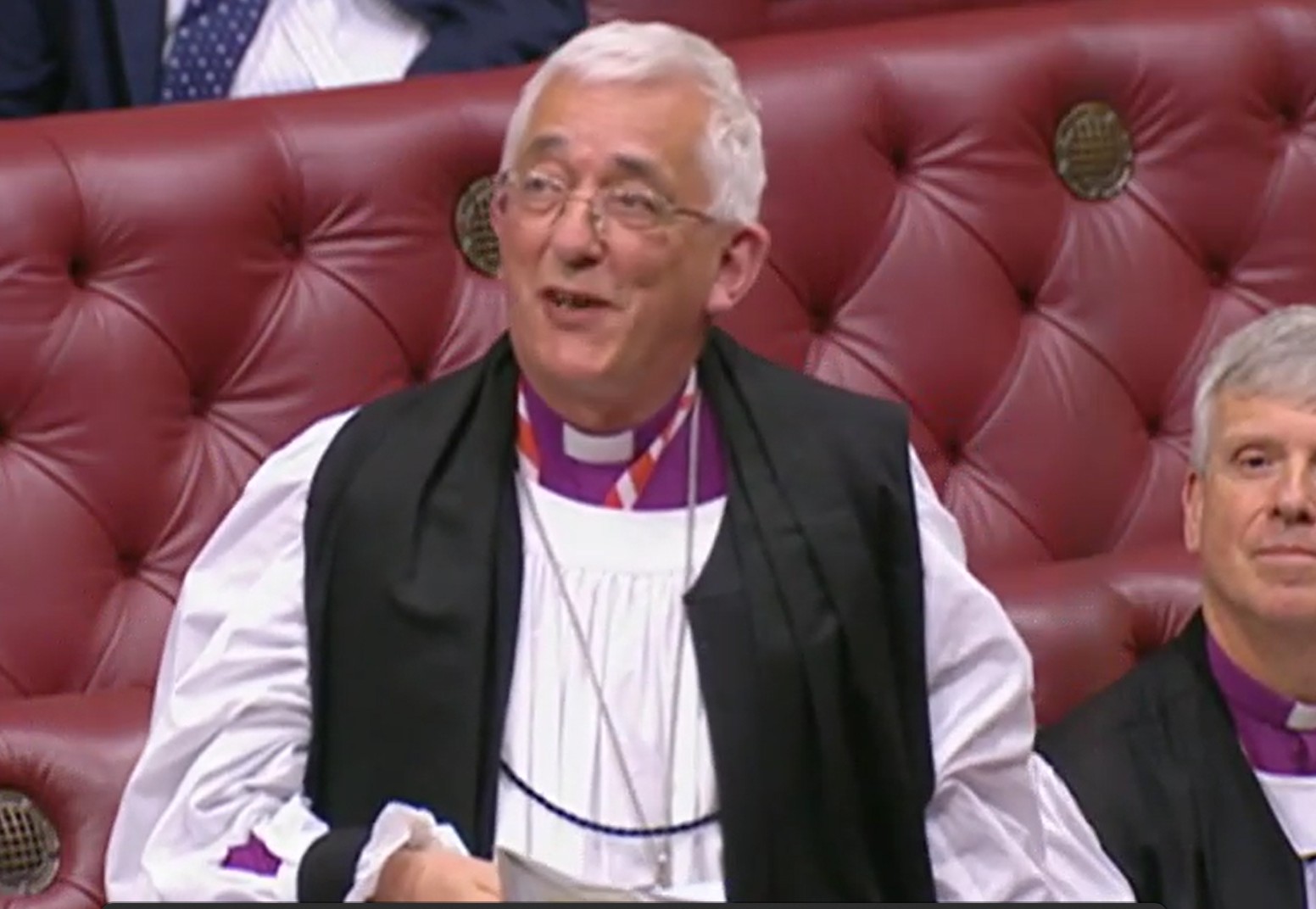
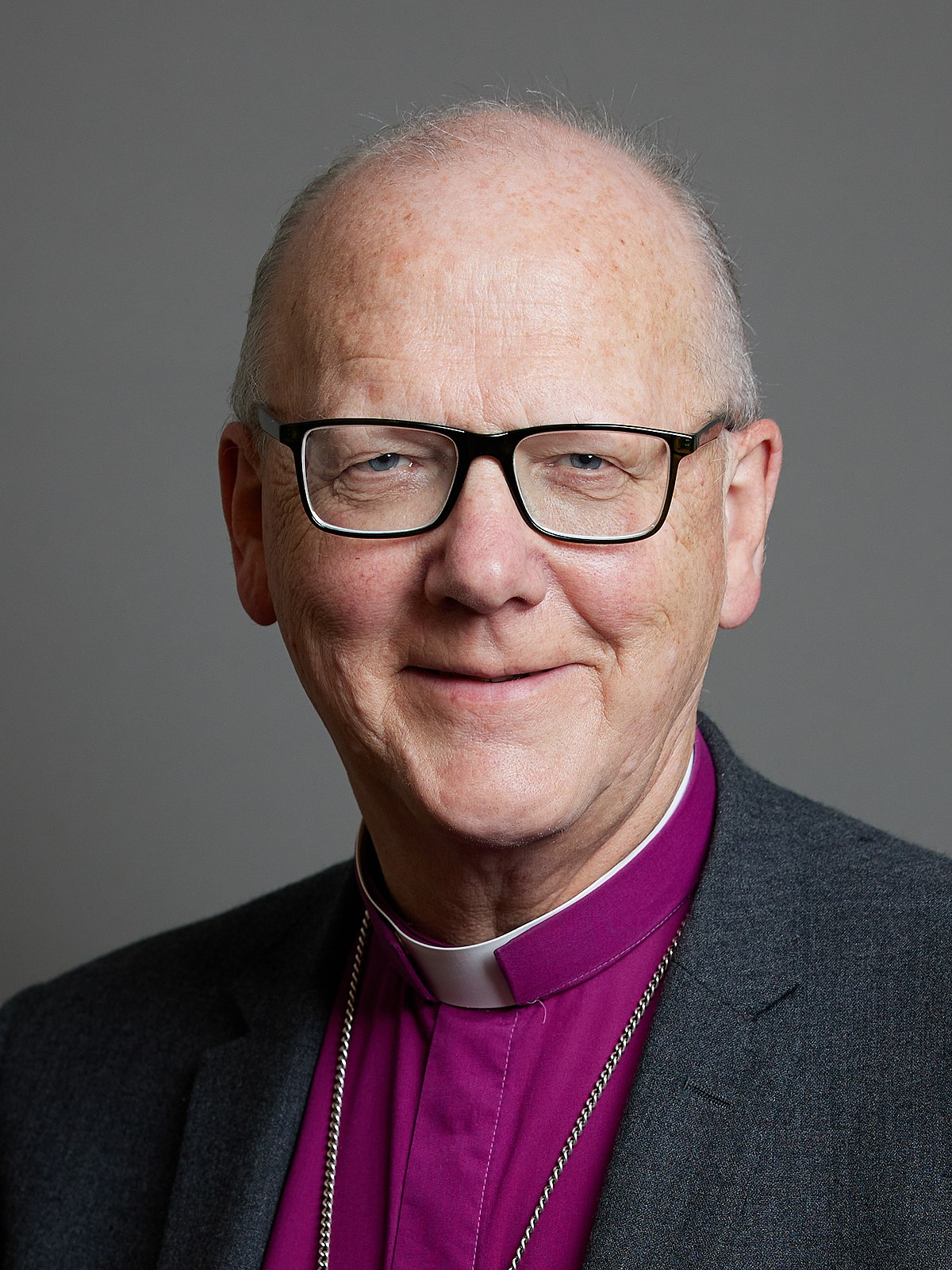
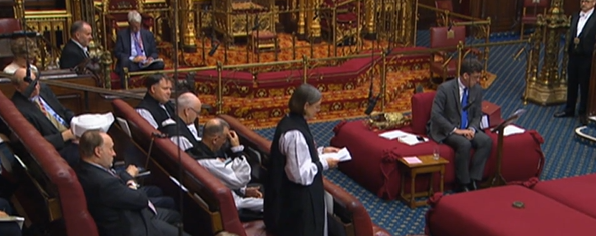
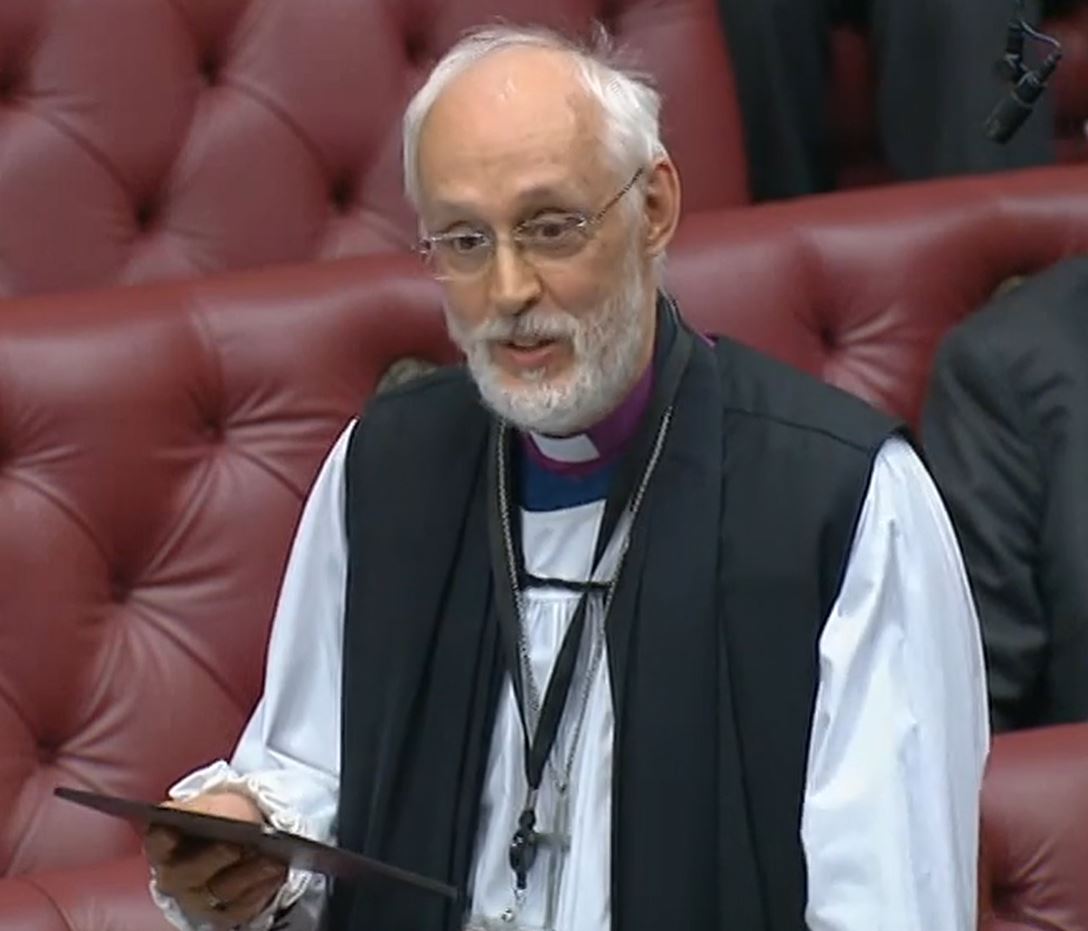
The Bishop of Lichfield spoke in a debate on integration and community cohesion on 13th March 2025, emphasising the importance of reaching across barriers and the role of education in promoting community cohesion:

The Lord Bishop of Lichfield: My Lords, I sincerely thank the noble Baroness, Lady Verma, for securing this important debate. I congratulate the noble Lord, Lord Raval, on his excellent maiden speech, and I look forward to the maiden speech of the noble Lord, Lord Rook. I thank the noble Lord for all the work he has done over the years with the churches, including the Church of England, in which he is an ordained priest, and with communities of other faiths. I commend his tireless advocacy, as a key adviser to the Government, of the important role that faith plays in the life of our country. I know that his vast experience and expertise, and that of the noble Lord, Lord Raval, will add great value to this House.

Continue reading “Bishop of Lichfield highlights role of education in community cohesion”

Holocaust Memorial Bill: Bishop of St Albans tables amendments

The Bishop of St Albans moved two amendments to the Holocaust Memorial Bill on11th March 2025: amendment 22, which would seek to “limit the amount of time that Victoria Tower Gardens can be closed to the public as a result of events linked to the proposed Holocaust memorial and learning centre to three days a year,” and amendment 26, which would seek to “prevent the establishment of refreshment kiosks or static outbuildings in Victoria Tower Gardens.”

The Lord Bishop of St Albans: My Lords, I thank the noble Viscount, Lord Eccles, for opening this group. I will speak to my Amendment 22, which seeks to limit the amount of time that Victoria Tower Gardens can be closed to the public as a result of events linked to the proposed Holocaust memorial and learning centre to three days a year.

The protection conferred on Victoria Tower Gardens by the original Act of 1900 was put in place to ensure access to the park as a park in perpetuity. This is particularly important to residents in the locality, many of whom live in flats and would not otherwise have access to green spaces. We cannot discuss this Bill without giving due consideration to them and what protections will be in place for them. I note that, in responding to these concerns, the Select Committee report states that limiting the closure dates of Victoria Tower Gardens is a “reasonable request”, as it particularly affects residents who use it on a weekly basis.

Continue reading “Holocaust Memorial Bill: Bishop of St Albans tables amendments”

Bishop of St Albans asks about investment in rural areas

The Bishop of St Albans received the following written answer on 11th March 2025:

The Lord Bishop of St Albans asked His Majesty’s Government what steps they are taking to ensure the forthcoming industrial strategy, Invest 2035, supports investment, infrastructure and productivity improvement in rural communities.

Continue reading “Bishop of St Albans asks about investment in rural areas”

Bishop of Newcastle leads debate on impact of rural bank closures

The Bishop of Newcastle led a debate on the impact of bank closures on rural communities on 13th February 2025, raising issues of financial exclusion:

The Lord Bishop of Newcastle: To ask His Majesty’s Government what assessment they have made of the number of bank closures in the past decade and the impact on people in rural communities.

My Lords, I thank all noble Lords who are taking part in this short debate and look forward to listening to each of the contributions that they will bring. While this debate has its focus on diverse rural communities, I know that the issue before us is not solely rural.

Last month, Lloyds Banking Group announced that it will be close 136 bank branches across the country. The Tyne valley in Northumberland will see another three branches close their doors—two in Hexham and one in Prudhoe—meaning that customers in Hexham will need to travel over 15 miles to Consett to visit their nearest Lloyds branch.

Lloyds’ announcement comes after a decade of decline in the number of high street banks. Figures from Which? show that 6,266 bank branches have closed across the UK over the past 10 years, representing 63% of branches open at the start of 2015. If bank branches continue closing at such a rate, we face living in a society where those unable to bank digitally are financially excluded.

Continue reading “Bishop of Newcastle leads debate on impact of rural bank closures”

Terrorism (Protection of Premises) Bill: Bishop of Manchester speaks in support of amendments on community and voluntary groups

On 12th February 2025, the House of Lords debated amendments to the Terrorism (Protection of Premises) Bill. The Bishop of Manchester spoke in support of amendments to the bill tabled by Lord Murray of Blidworth aiming to provide further support for community and voluntary organisations under the bill:

The Lord Bishop of Manchester: My Lords, I support the amendments of the noble Lord, Lord Murray of Blidworth, in this group. As the Bishop of Manchester, I have got something like 400 churches and church halls in my diocese, but these amendments go rather wider than that. For places of worship, there are already some grant schemes for protecting against terrorism, given the particular threat that places of worship, especially Muslim and Jewish places of worship, have traditionally faced.

Continue reading “Terrorism (Protection of Premises) Bill: Bishop of Manchester speaks in support of amendments on community and voluntary groups”

Bishop of St Albans asks about community relations

The Bishop of St Albans received the following written answer on 12th February 2025:

The Lord Bishop of St Albans asked His Majesty’s Government what steps they are taking to engage positively with Muslim communities, including the Muslim Council of Britain.

Continue reading “Bishop of St Albans asks about community relations”

Bishop of Manchester urges re-funding of the Inter Faith Network

The Bishop of Manchester urged the government to consider re-funding the Inter Faith Network on 22nd January 2025, during a discussion on extremism and community engagement:

The Lord Bishop of Manchester: My Lords, a decision under the previous Government about a particular Islamic organisation being characterised as extremist led to the defunding and collapse of the national Inter Faith Network. I wonder if the Minister agrees that the Inter Faith Network provided a vital role in co-ordinating interfaith work at a national level. We do great things at local level, but we need some national work as well. Will he urge His Majesty’s Government to commit to refunding the Inter Faith Network?

Continue reading “Bishop of Manchester urges re-funding of the Inter Faith Network”

Bishop of Manchester asks about warm welcome campaign

The Bishop of Manchester asked about the role of places of worship in taking part in the warm welcome campaign on 21st January 2025, following a government statement on health and social care in winter:

The Lord Bishop of Manchester: My Lords, the nurse who was attacked and injured at work recently and who has been kindly mentioned several times already today is a member of one of our Oldham congregations. I assure your Lordships’ House that she and her family remain very much in our prayers in Manchester.

Research by the National Churches Trust published last year shows that the ministry of the UK’s church buildings saves the NHS £8.4 billion every year. Church projects help keep many people out of hospital; they support others when discharged. Other faith communities do similar work and many of them do it in partnership with us.

Continue reading “Bishop of Manchester asks about warm welcome campaign”

Bishop of Lichfield speaks on impact of community tensions and the importance of interfaith work

On 6th December 2024, the Bishop of Lichfield spoke in the Archbishop of York’s debate on social cohesion, highlighting the impact of community tensions, exacerbated by global events, on faith communities and particularly Jewish and Muslim communities in the UK:

The Lord Bishop of Lichfield: My Lords, I am sure that on these Benches and more widely, all of us as Bishops will register and take to heart the searching and challenging words of the noble Baroness, Lady Berridge, and I thank her for them. We recognise the urgency and centrality of independent scrutiny in the life of our Church.

The UK is home to communities that are richly diverse and in which people of different cultures, beliefs and faiths live alongside one another. Social cohesion acts as the bridge between those differences. It enables us to live well together, providing resilience to communities when faced with adversity and enabling us to coexist peacefully, but as demonstrated by the riots this summer, this kind of social cohesion can no longer be taken for granted. The consequences of growing divisions should not be underestimated, and we must not ignore the increasing threat of erosion that the social cohesion binding us together faces.

Continue reading “Bishop of Lichfield speaks on impact of community tensions and the importance of interfaith work”

Bishop of Bristol highlights importance of community and interfaith relations in promoting social cohesion

The Bishop of Bristol spoke in the Archbishop of York’s debate on social cohesion on 6th December 2024, raising local examples from the city of Bristol and the importance of community and interfaith outreach:

The Lord Bishop of Bristol: My Lords, I too am grateful to the most reverend Primate for securing this debate and setting its tone. I am also very grateful to the noble Lord, Lord Sharma, for his impressive speech, and look forward to many more contributions from him in this Chamber. I am glad to follow the noble Lord, Lord Elliott, and realise that there is more that unites us than divides us. Indeed, there are overlaps with many of the contributions from the Benches opposite in what I am about to say, because I want to speak of a particular place and of particular people.

I begin with Liverpool, as the noble Lord, Lord Elliott, mentioned. It was David Sheppard who, as Bishop of Liverpool, ordained me deaconess in Liverpool Cathedral and helped me to understand the stresses that port cities experience as global trade and human migration patterns shift. Port cities absorb, endure or thrive on the consequent change. Bishop David and his Archbishop and Free Church colleagues were well aware that social unrest was a symptom of the impact of felt injustice and a stimulus to work to create justice and peace. “Better together” was their theme and their motto in a city divided on economic, racial and religious grounds.

Continue reading “Bishop of Bristol highlights importance of community and interfaith relations in promoting social cohesion”