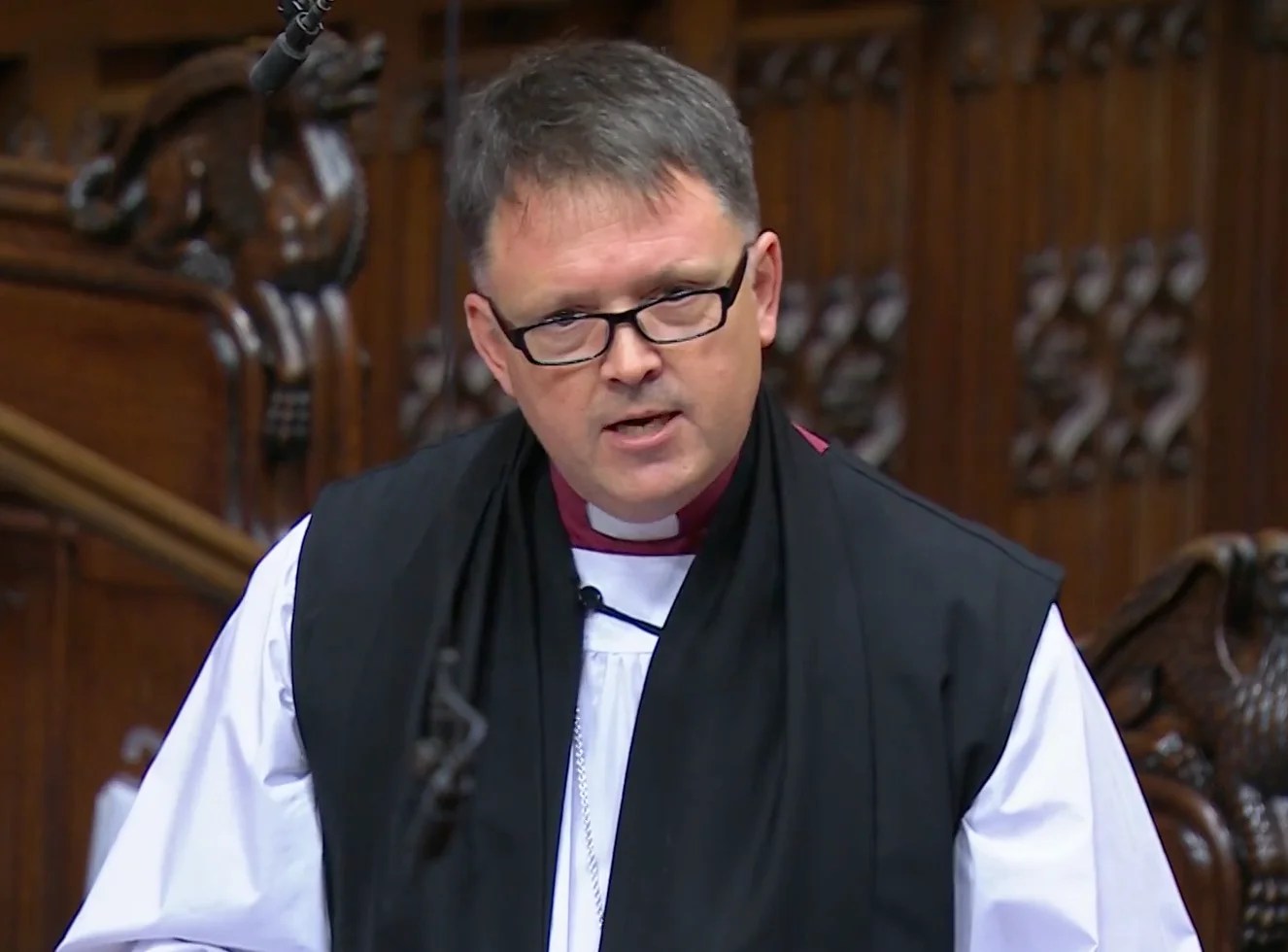
The Bishop of Manchester asked a question on access to GP services in rural areas during a discussion on a Commons Urgent Question on the GP Contract on 17th March 2026:
The Lord Bishop of Manchester: My Lords, the Statement made in the other place refers explicitly to coastal areas and deprived places, and I welcome that. Will the Minister say something about how we can ensure that there is good access to GP services in rural areas?
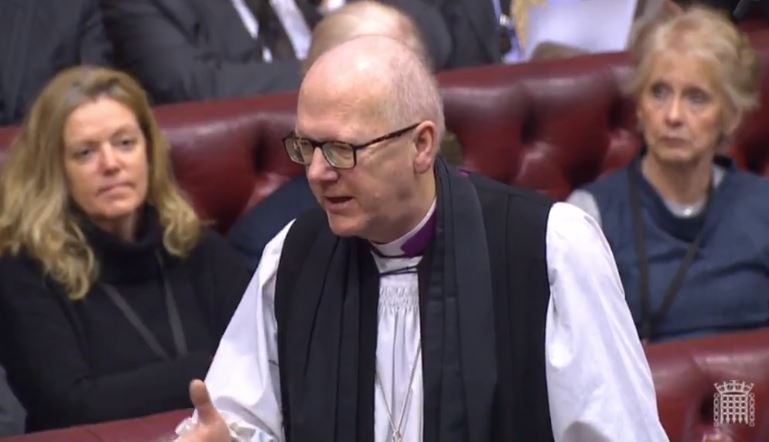
On 12th December 2025, Bishop of Norwich spoke in support of amendments to the Terminally Ill Adults (End of Life) Bill focused on ensuring training and resources given to GPs would also apply to Scotland in the event of the bill passing, and consideration of those living on the Scottish border:
The Lord Bishop of Norwich: My Lords, I support Amendments 17 and 309A, proposed by the noble Lord, Lord Beith, and so ably explained by the noble Baroness, Lady Fraser. I declare an interest, in that my wife is a GP and a medical examiner—so the Bill has had much discussion at home.
Having spent 10 years living in Northumberland, and having friends who live along the Scottish border, I know that many of those living sufficiently close to the border have chosen very deliberately to be registered with a Scottish GP because they then receive free prescriptions. This raises a number of questions for the noble and learned Lord.
The Bishop of St Albans asked a question on the number of doctors coming to work in the UK from other countries in the last year on 20th November 2023:
The Lord Bishop of St Albans: My Lords, how many doctors, including GPs, have come from outside the UK in the last year for which we have records? What long-term plan is there to stop us relying on having to bring in doctors from countries that need them far more than we do because they are much poorer than here in the UK?
The Bishop of St Albans received the following written answer on 13th September 2023:
The Lord Bishop of St Albans asked His Majesty’s Government how many (1) doctors, and (2) nurses, left the NHS in (a) 2019, (b) 2020, (c) 2021, and (d) 2022.
Lord Markham (Con, Department of Health and Social Care): The table below shows the published data on the leaver rates as a percentage and the number of doctors and nurses & health visitors who have left active service in National Health Service trusts and core organisations, for each annual period 2019 to 2022.
The Bishop of Exeter tabled a question on what progress the government had made towards resolving strikes by NHS doctors on 5th July 2023:
The Lord Bishop of Exeter: To ask His Majesty’s Government what progress they have made towards resolving the strikes by doctors in the NHS.
Lord Markham (Con): My Lords, the Government have been clear that we want to resolve the strikes by doctors. We negotiated in good faith with the BMA’s junior doctors committee in May. The Government stand ready to meet junior doctors again if they move from their unreasonable ask of a 35% pay rise this year. We also want to open negotiations with consultants. We encourage unions to come to the negotiating table rather than proceeding with strike action.
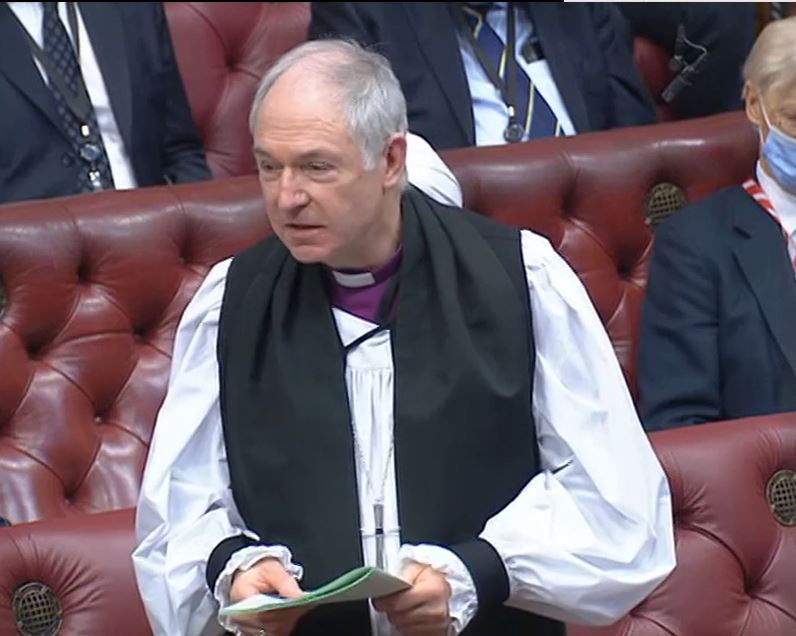
On the 27th January 2016 Lord Harries of Pentregarth asked the Government “what assessment they have made of the remuneration of junior doctors”. The Rt Revd Peter Forster, Bishop of Chester, asked a follow up question.
The Lord Bishop of Chester: My Lords, I, too, declare that I have a daughter who is a junior doctor. She is in her fourth year since qualification. To get to the level of remuneration that the noble Lord mentioned—some £23,000—junior doctors have to work jolly long and unsocial hours. But my specific question is: what is the comparator with other developed western countries for the remuneration of our younger doctors?
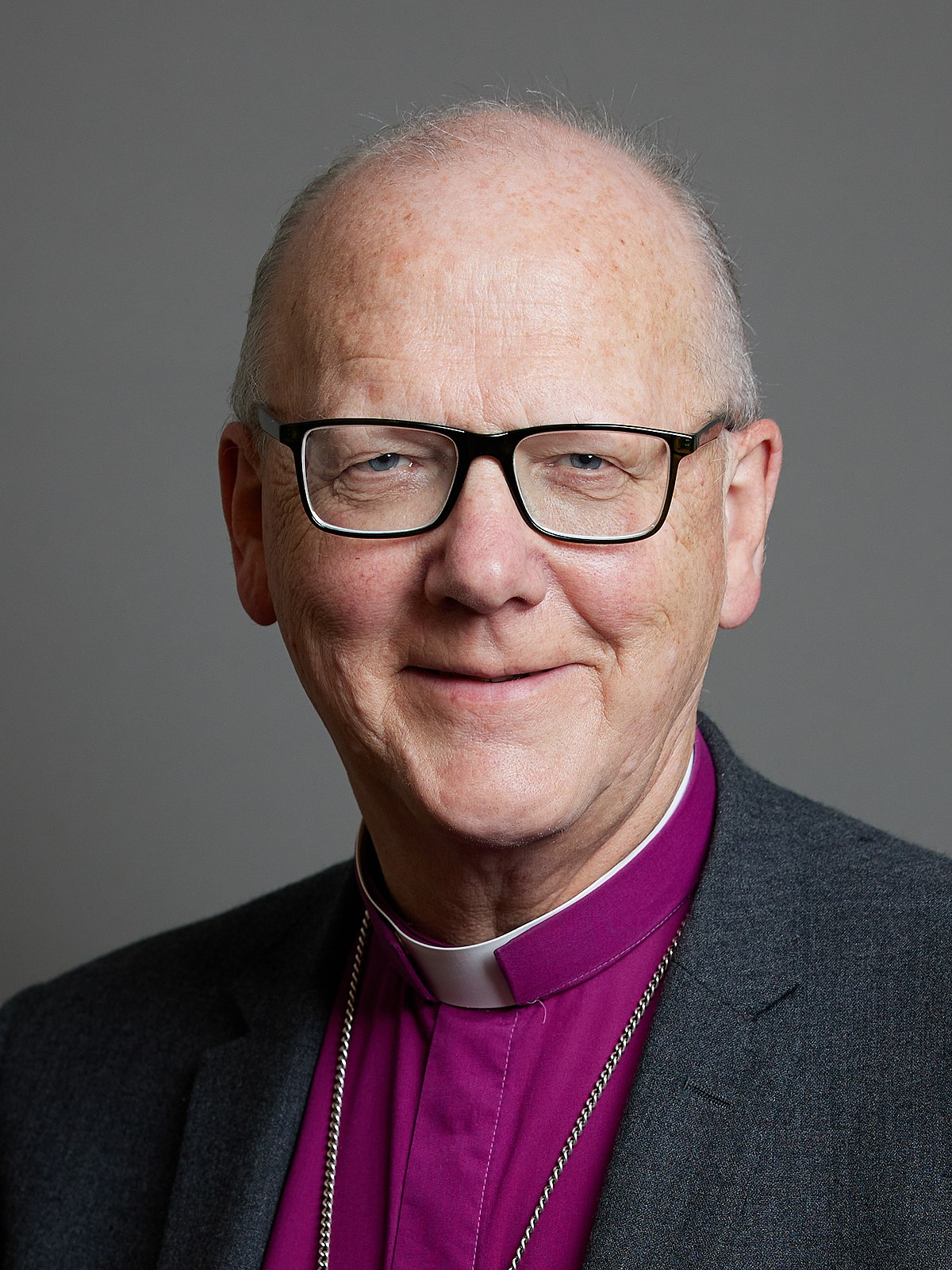
The Bishop of Norwich asked a written question of Government, on the number of GPs available for primary care needs in the next five years. He received an answer from the Parliamentary Under-Secretary of State for Health, Earl Howe, on 10th March 2014. The question and reply are below.
The Lord Bishop of Norwich:
The Bishop of Norwich, Rt Revd Graham James
To ask Her Majesty’s Government what steps they are taking to ensure that there are adequate numbers of general practitioners (GPs) available for primary care needs in England over the next five years in the light of the age profile of current practising GPs, their increasing role as commissioners, and the impact of the introduction of revalidation for all doctors.
The Parliamentary Under-Secretary of State, Department of Health (Earl Howe): The Department set up Health Education England (HEE) to deliver a better health and healthcare workforce for England. HEE is responsible for ensuring a secure workforce supply for the future balancing need against demand, taking into account factors such as the age profile of the existing workforce, the impact of technology, and new drugs. Continue reading “Bishop of Norwich presses Government on sustainability of GP numbers”


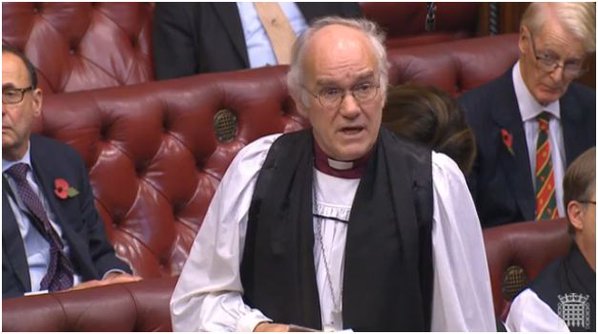 On the 27th January 2016 Lord Harries of Pentregarth asked the Government “what assessment they have made of the remuneration of junior doctors”. The Rt Revd Peter Forster, Bishop of Chester, asked a follow up question.
 The Church of England in Parliament
You must be logged in to post a comment.