On 8th September 2016 the Bishop of St Albans, Rt Revd Alan Smith, led a debate in the House of Lords: “To ask Her Majesty’s Government what is their assessment of progress towards implementing the recommendations contained within the report of the Parliamentary Commission on Banking Standards, Changing banking for good.” The Archbishop of Canterbury, Most Rev & Rt Hon Justin Welby spoke in the debate, having previously served on the Parliamentary Commission on Banking Standards.
The Bishop of St Albans’ opening speech and the response of the Minister can be read here.
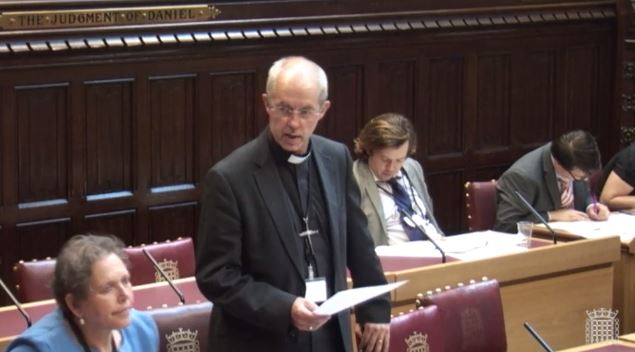 The Archbishop of Canterbury: My Lords, I add my congratulations to those of other noble Lords on the appointment of the noble Lord, Lord Ashton, as the Minister at DCMS. I have no doubt that we will come across each other again as “C”, “M” and “S” all seem to cover the Church in various forms. I should also say that I served on the Parliamentary Commission on Banking Standards and had the very good fortune to do so with the noble Baroness, Lady Kramer, from whom I learned a great deal. I am also chairman of the Church Commissioners, who were involved in seeking to buy some of the spin-off assets of the Royal Bank of Scotland.
I am grateful to the right reverend Prelate for arranging this debate. I agree entirely with his speech and indeed with the other four speakers that have been made before mine. I shall try to avoid repeating what they said. As we know, and as previous speakers have said, the key issue is banking culture. Culture comes from actions and decisions, and actions and decisions feed into culture. There is no doubt that changes introduced by the Government and the Bank of England have been extensive, and in many cases very effective. However, there are four linked areas, all of them around “too big to fail”, leading to what must be the long-term aim of ensuring that the Government do not have a contingent liability with respect to large banks that would result in them needing to provide support in the event of serious problems, as they had to do in 2008 at such cost. Continue reading “Archbishop speaks on banking reform, culture and practice”

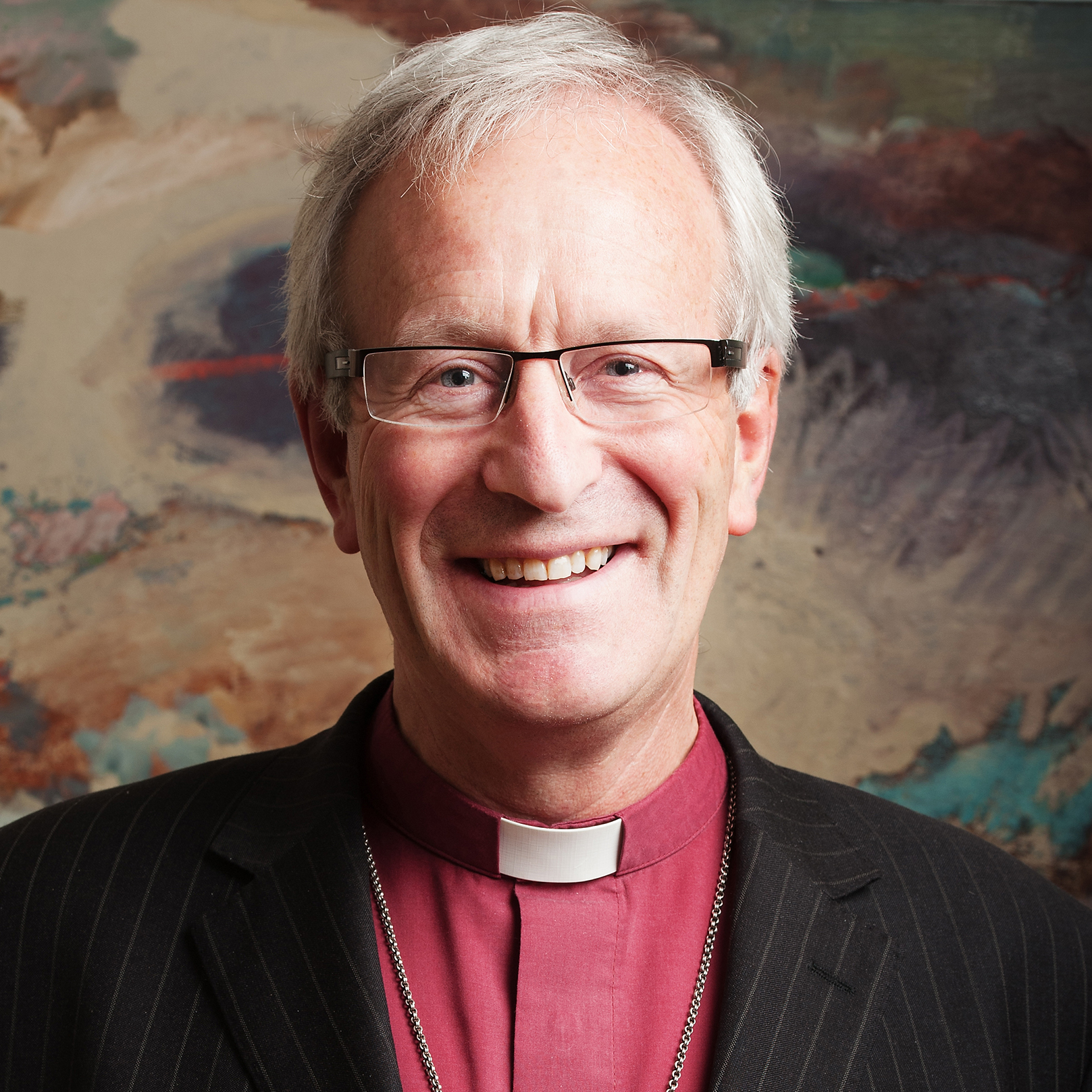 Responding today (23rd November 2016) to the Chancellor’s Autumn Statement, the Bishop of Birmingham, Rt. Revd David Urquhart, said:
 On 13th September 2016, Lord Haskell asked the Government whether the Pension Protection Fund will be able to meet its obligations to pensioners. The Lord Bishop of St Albans, the Rt Revd Alan Smith, asked a follow up question.
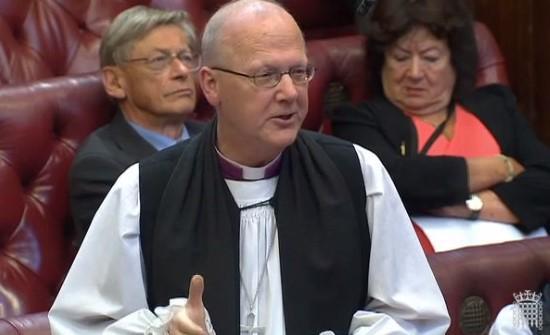
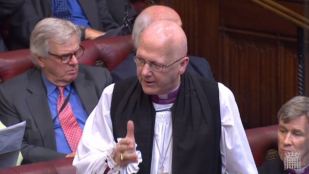 On 8th September 2016, the Bishop of St Albans, the Rt Revd Dr Alan Smith, asked Her Majesty’s Government “how they intend to address the gap between the remuneration of senior executives and their employees”. Baroness Neville-Rolfe responded for the Government. Her comments can be seen below, along with the follow up questions from other Members.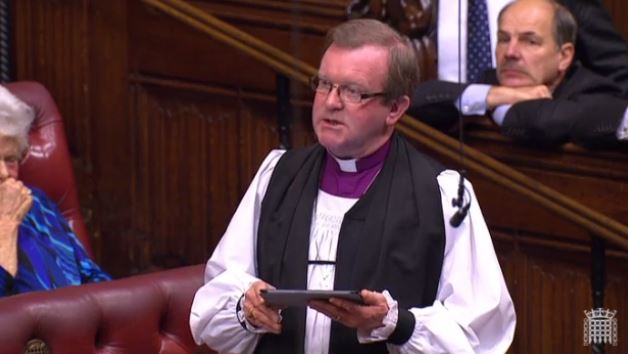
 On the 27th April 2016, Baroness McItosh of Pickering led a Lords debate “to ask Her Majesty’s Government what is their assessment of the state of the rural economy.” The Bishop of St Albans, Rt Revd Alan Smith, highlighted the need for more affordable housing, business innovation and greater access to broadband and mobile coverage.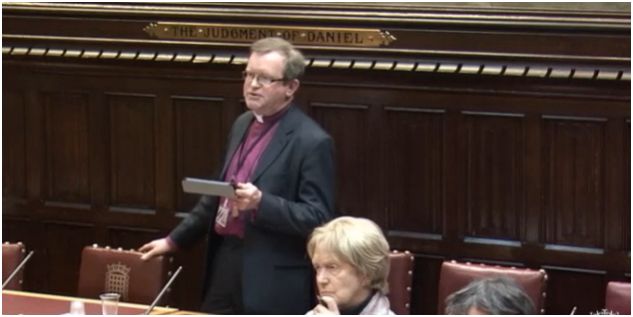

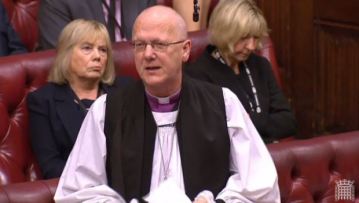 The Lord Bishop of St Albans: My Lords, the northern powerhouse has great potential to bring social and economic benefit to many people, but it is fundamental from the very start that we embed it in the rural communities. Micro-businesses employing fewer than 10 people make a very significant contribution to the rural economy, yet previous approaches to regional development tended to ignore or sideline the rural dimension of it. Will the noble Lord the Minister assure the House that, with the northern powerhouse and other devolved areas, there will be a specific, focused and relevant approach to providing resources for small rural businesses?
  The Church of England in Parliament
You must be logged in to post a comment.