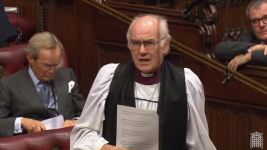
 On 14th March 2017, the Commercial Secretary to the Treasury, Baroness Neville-Rolfe, moved that this House takes note of the economy in the light of the Budget Statement. The Bishop of Chester, the Rt Revd Peter Forster, spoke in the debate, focusing on national debt and expenditure pressures.
The Lord Bishop of Chester My Lords, it is not only the last spring Budget, it is the last Budget in Lent. If we had any doubts, then the early speeches in this debate brought that Lenten theme home rather well.
I do not want to get into the details of the Budget, which are very political, but to talk about two broader, longer-term issues to which the Chancellor referred in his speech. The first, which has already been alluded to, is our national debt. Its rate of growth is forecast to slow in this decade, but that is stabilisation at a very high level, representing nearly £62,000 for every household in the country. Even at the current very low interest rates, servicing that debt costs £50 billion a year—more than the combined costs of defence and police services in this country. Continue reading “Bishop of Chester speaks about national debt and expenditure pressures in Budget debate”

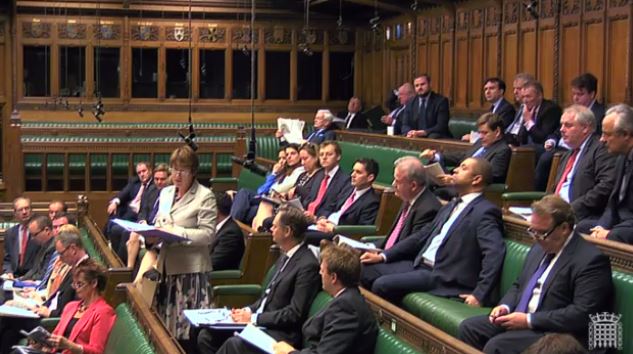
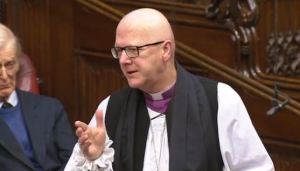 The Lord Bishop of St Albans: My Lords, a poll commissioned by Citizens Advice in June found that 18% of people with credit cards who had debt problems had had their credit limits increased automatically without them even asking for it, thereby enabling them to take on even greater debt when they were already facing problems. I understand that the FCA is looking into this, but will the Minister ensure that it is asked to bring in much stronger guidelines on this situation to prevent it getting worse?
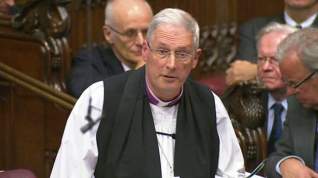 On the 6th September 2017 Lord Leigh of Hurley asked Government “whether it is their policy to reduce unnecessary regulation of financial services; and if so, whether they intend to review current Financial Conduct Authority practices to ascertain whether that regulator is going beyond what is appropriate and necessary to fulfil that policy.” The Bishop of Southwark, the Rt Revd Christopher Chessun asked a follow up question:
 On 26th June 2017, the Bishop of Durham, the Rt Rev Paul Butler contributed to the Queen’s Speech debate on business, economic affairs, energy, transport, environment and agriculture. He argued for the importance of investment in the North-East of England and including all groups in discussions around Brexit, the Northern Powerhouse and the Industrial Strategy.
 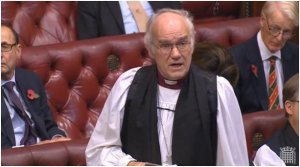 On 15th March 2017, a statement by the Chancellor of the Exchequer on national insurance contributions was repeated in the House of Lords. The Bishop of Chester, the Rt Revd Peter Forster, responded to the statement.
 On 1st March 2017, the Bishop of St Albans asked a follow up question to Lord Kennedy of Southwark’s oral question on business rates. Lord Kennedy asked what action the government proposed to take in light of concerns expressed about the increases in business rates.
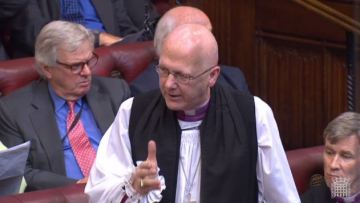 On the 8th February 2017, Lord Harrison asked Her Majesty’s Government “what measures they are taking to improve productivity in the United Kingdom economy.” The Bishop of St Albans, the Rt Revd Alan Smith, asked a follow-up question.

You must be logged in to post a comment.