
On 29th June 2016 Lord Ahmed repeated to the House of Lords a Government statement made in the House of Commons about hate crime. The Bishop of Chelmsford, Rt Revd Stephen Cottrell, asked a follow up question about religious literacy and education.
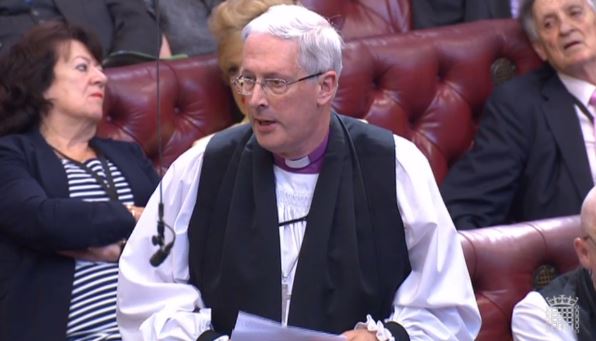
The Lord Bishop of Chelmsford: My Lords, perhaps I may ask the Minister two specific questions about religious literacy and religious education. First, I welcome the Statement and the responses from the other Front Benches, and of course to express my own great dismay at the incidents that we have experienced in recent days. As I said in the House on Monday, the diocese where I serve includes some of the most multicultural parts of this country. I have heard many disturbing stories, and even more of them here today.
My first question relates to religious education. We have discovered in recent days something that is already there within us and that has been stirred up and legitimised by some of the debate, yet religious education has less of a place in the national curriculum than it used to. I wonder whether this is another opportunity for the Government to look again at the place of religious education in schools.
My second question is about religious literacy. I serve on this House’s Select Committee on Communications. We have recently completed a report on the renewal of the BBC charter. Religious broadcasting has almost disappeared from public service broadcasting, and the BBC no longer has a commissioning editor for religious broadcasting. Surely this is a time when we need to do more about this. It is a very practical matter that the Government could address. Continue reading “Bishop of Chelmsford condemns hate crime, calls for better religious literacy”
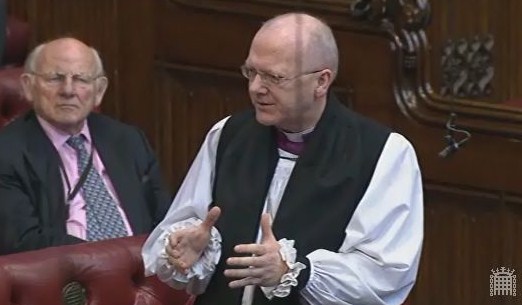
 The Lord Bishop of Chester: My Lords, although I agree with all that the Minister has said in response to the questions, is it not the case that engaging parents—making sure that what is taught in schools relates to and engages parents as much as possible—is also important to any government action which may be forthcoming in the future?
 The Church of England in Parliament
You must be logged in to post a comment.