
On 25th May 2016 the House of Lords held its fifth day of debate the Queen’s Speech. During the debate the Bishop of Newcastle, Rt Revd Christine Hardman, gave her maiden speech, becoming the second female bishop to speak in the House of Lords. As well as introducing herself to the House she addressed the Government’s life chances strategy, and regional growth in the North. Her speech is below in full, alongside responses from Peers.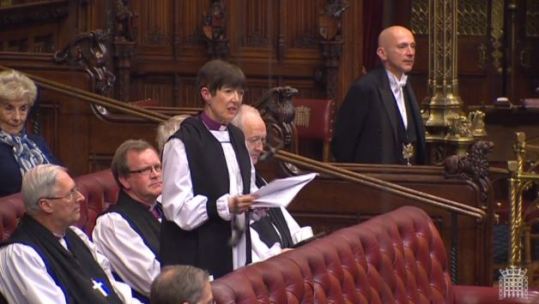
The Lord Bishop of Newcastle: My Lords, the theological understanding of grace is of the love and mercy given to us by God because God desires us to have it, not because of anything we have done to deserve it. In these early days in your Lordships’ House, it is grace that I have experienced—wonderful kindness and a warmth of welcome from your Lordships, the staff and all who work in this place. It has been entirely undeserved but a truly heart-warming experience. It will be no surprise to your Lordships that one of the loveliest and warmest welcomes came from the late Lord Walton—a fine and godly man, and a distinguished son of the north-east.
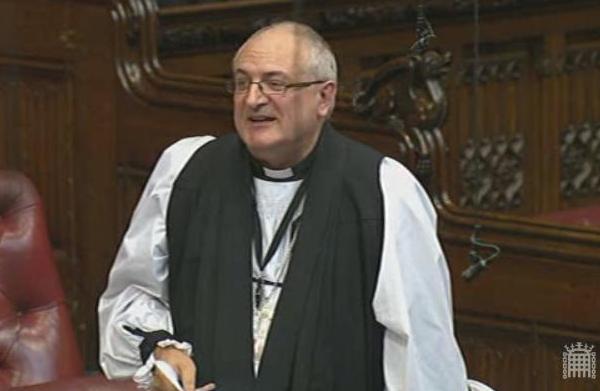
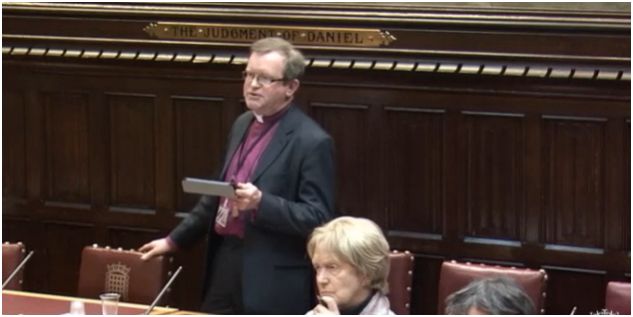
 The Lord Bishop of Chester: My Lords, although I agree with all that the Minister has said in response to the questions, is it not the case that engaging parents—making sure that what is taught in schools relates to and engages parents as much as possible—is also important to any government action which may be forthcoming in the future?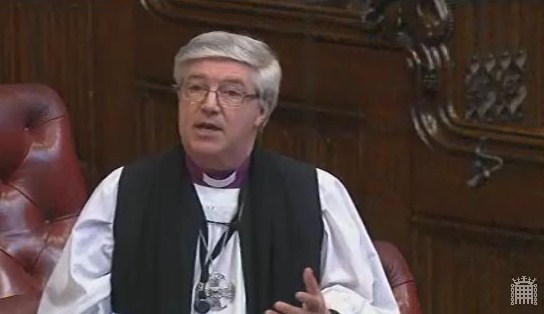
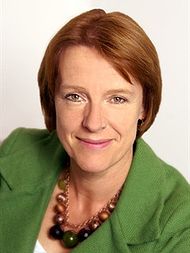 Mrs Caroline Spelman (Meriden) (Con): Like, I am sure, many others present, I have had to go through the process of a Criminal Records Bureau check, which is now a Disclosure and Barring Service check. Does my hon. Friend agree that it is an important butonerous process? Sometimes, one has to be checked more than once, because it does not transfer to another activity that one might undertake with children if one is foolish enough to do a full weekend with the Sunday school. It is a very rigorous process, and if it was applied to the people who teach children Islam in all teaching environments, it would be a very good tool to deal with any excess problem that there might be.
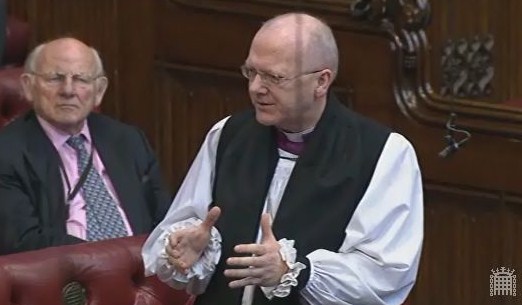
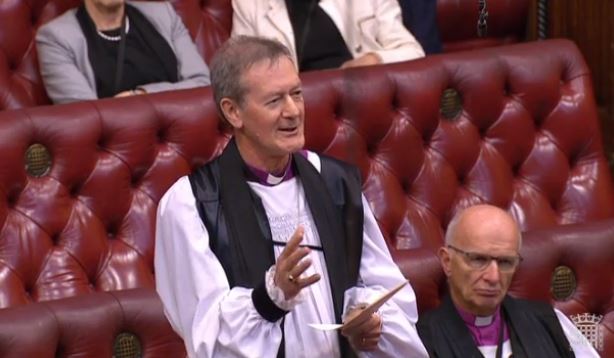
 The Lord Bishop of Peterborough: My Lords, I, too, am grateful for this debate. I also note with great pleasure a number of changes made to policy and practice in this area by Mr Gove since he became Secretary of State. I gladly thank him and the Government, particularly for allowing prisoners greater and easier access to books. But if educational standards in prisons are to be improved, as they desperately need to be, we still need much more joined-up thinking. I will give two examples.

You must be logged in to post a comment.