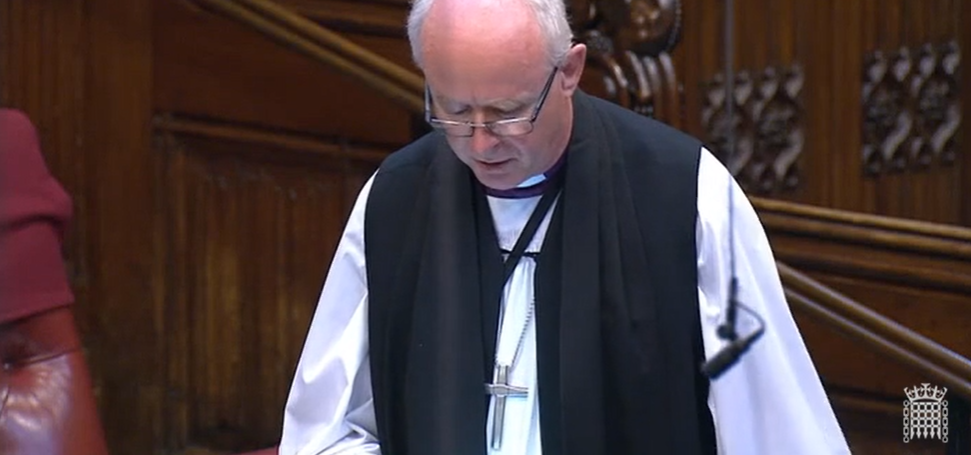
On Monday 7th December, the House of Lords debated the Government’s Welfare Reform and Work Bill during its first day of Committee. The Bishop of Portsmouth, Rt Revd Christopher Foster, spoke to an amendment he had tabled to require Government to assess the impact of the proposed two-child limit for new claimants on families and faith communities. His speeches opening and closing the debate on his amendment are included below, along with an extract of the Minister’s reply. The full debate, including speeches by other Members, can be seen at: Parliament.uk
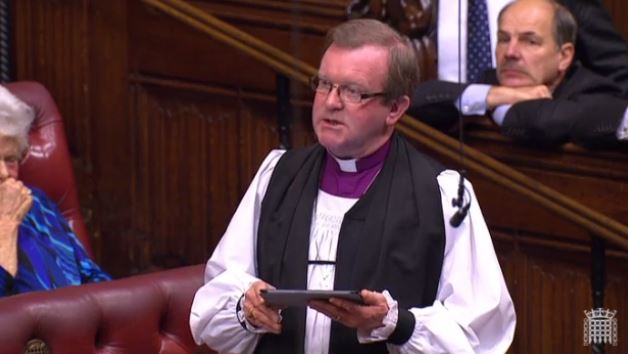 The Lord Bishop of Portsmouth: My Lords, I tabled Amendment 21 to highlight the impact of this measure on different faith communities who share our concerns with this part of the Bill in particular. Noble Lords who attended the special briefing we organised two weeks ago will have heard Chaya Spitz, chief executive of the Interlink Foundation, speak passionately about the implications for the Orthodox Jewish community that she represents and is a member of. For her community, larger families are the norm and the central pivot around which everything else revolves. There is a positive, faith-based imperative to have children, to create the next generation in service of God. There is also a commonly held conscientious objection to the use of artificial contraception, except in prescribed circumstances, and to abortion, except in rare circumstances. By limiting financial support to the first two children, this policy is making a judgment that touches on deeply personal and strongly held religious and cultural beliefs about the family, and that threatens the viability of whole faith communities.
Continue reading “Welfare Reform Bill – Bishop of Portsmouth tables amendment about impact on families and faith communities of two-child limit”



 The Church of England in Parliament
You must be logged in to post a comment.