Bishop of St Albans asks about the situation of the Rohingya people in Myanmar and Bangladesh

The Bishop of St Albans received the following written answers on 27th November 2023:

The Lord Bishop of St Albans asked His Majesty’s Government what plans they have to request a meeting of the UN Security Council to address the ongoing genocide of the Rohingya.

Continue reading “Bishop of St Albans asks about the situation of the Rohingya people in Myanmar and Bangladesh”

Bishop of Coventry asks about prosecution of Rwandan war criminals in the UK

The Bishop of Coventry received the following written answer on 19th July 2023:

The Lord Bishop of Coventry asked His Majesty’s Government what steps they are taking (1) to identify the presence of alleged Rwandan war criminals in the UK, and (2) to prosecute those who participated in the 1994 Rwandan genocide.

Lord Sharpe of Epsom (Con): If a UK resident has been responsible for core international crimes anywhere in the world, they may be investigated and prosecuted in the UK.

Continue reading “Bishop of Coventry asks about prosecution of Rwandan war criminals in the UK”

Genocide Determination Bill: Bishop of Exeter speaks in support

On 28th October 2022, the House of Lords debated the Genocide Determination Bill, brought forward by Lord Alton of Liverpool, in its second reading. The Bishop of Exeter spoke in support of the bill:

The Lord Bishop of Exeter: My Lords, I support the Bill and, in company with others, pay warm tribute to the noble Lord, Lord Alton, for his perseverance and passion for justice for the victims of genocide. We are united in this House and on these Benches in our condemnation of what is a manifest evil, that which the Coalition for Genocide Response describes as “the crime of crimes”. My colleague the Bishop of Truro, whom I hope will join us in this House before too long, three years ago published his report on the persecution of Christians, to which the noble Lord, Lord Browne, just referred. Your Lordships will recall that His Majesty’s Government accepted all its recommendations in full. Recommendation 7 asked the Government to:

“Ensure that there are mechanisms in place to facilitate an immediate response to atrocity crimes, including genocide through activities such as setting up early warning mechanisms to identify countries at risk of atrocities, diplomacy to help de-escalate tensions and resolve disputes, and developing support to help with upstream prevention work.”

It is the mechanisms with which we are concerned in the Bill.

Continue reading “Genocide Determination Bill: Bishop of Exeter speaks in support”

Bishop of St Albans asks questions about rights and treatment of Armenians in Azerbaijan

25th May 2021.

Asked by The Lord Bishop of St Albans: To ask Her Majesty’s Government, further to the report that the Azerbaijani military blocked Russian peacekeepers accompanying Armenian pilgrims to the Dadivank Monastery in Nagorno-Karabakh, what representations they have made to the governments of (1) Azerbaijan, and (2) Russia, to ensure the continued rights of Armenians to practise their religion in sites located in the territory ceded to Azerbaijan. [HL91]

Continue reading “Bishop of St Albans asks questions about rights and treatment of Armenians in Azerbaijan”

Bishop of Southwark asks Government about reports of genocide and war crimes in Tigray

24th May 2021

The Bishop of Southwark: To ask Her Majesty’s Government what assessment they have made of the statement by Patriarch Abuna Mathias in April (1) that the government of Ethiopia and its allies are committing genocide in Tigray, and (2) that rape is being used as a weapon of war in that region.

Continue reading “Bishop of Southwark asks Government about reports of genocide and war crimes in Tigray”

Votes: Trade Bill

On 23rd February 2021, the House of Lords debated Commons Reasons and Amendments to the Trade Bill. A vote was held on an amendment to the bill, in which Bishops took part.

Continue reading “Votes: Trade Bill”

Bishop of St Albans asks Government if it will recognise Armenian Genocide

On 18th November the Bishop of St Albans received a written answer to a question on recognition of the Armenian genocide.
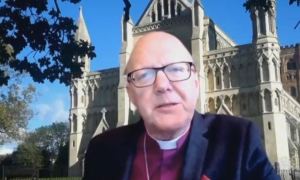
The Lord Bishop of St Albans: To ask Her Majesty’s Government what plans they have to review their position on the recognition of the Armenian genocide. [HL10012] Continue reading “Bishop of St Albans asks Government if it will recognise Armenian Genocide”

Bishop of St Albans asks whether sef-determination for Nagorno-Karabakh will protect Armenians from ethnic cleansing

On Monday 2nd November 2020 Baroness Cox asked the Government, “further to the genocide emergency alert issued by Genocide Watch about the situation in the Nagorno-Karabakh region, what assessment they have made of their obligations as a signatory to the 1948 Convention on the Prevention and Punishment of the Crime of Genocide.” The Bishop of St Albans asked a further question:

The Lord Bishop of St Albans [V]: Will the Minister comment on whether Her Majesty’s Government believe that the criteria used to recognise Kosovo and the principle of internal self-determination which protects minority rights equally applies to the Armenians and Nagorno-Karabakh and on whether recognition might, as in Kosovo, prevent the possible ethnic cleansing of Armenians, which has historically characterised territorial border conflicts in that part of the Caucasus? Continue reading “Bishop of St Albans asks whether sef-determination for Nagorno-Karabakh will protect Armenians from ethnic cleansing”
Bishop of Coventry asks about UK response capabilities to overseas violence and atrocities

On 27th October 2020 the Bishop of Coventry received written answers to two questions, on atrocity prevention training to UK embassy and diplomatic staff in fragile states, and on identity-based violence and the appointment of a Minister to act as a Special Envoy on Genocide:

Diplomatic Service: Training

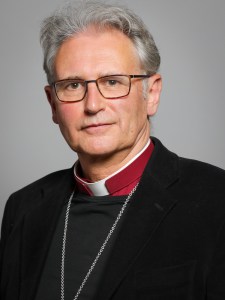
The Lord Bishop of Coventry: To ask Her Majesty’s Government what steps they are taking to provide atrocity prevention training to UK embassy and diplomatic personnel based in fragile states. [HL9121] Continue reading “Bishop of Coventry asks about UK response capabilities to overseas violence and atrocities”

Bishop of St Albans asks about prosecutions for genocide against Myanmar generals

On 5th October 2020 the Bishop of St Albans received a written answer to a question on Myanmar:

The Lord Bishop of St Albans: To ask Her Majesty’s Government what assessment they have made of the UN Human Rights Council Report of the independent international fact-finding mission on Myanmar, published in September 2018, and in particular the recommendation that senior generals of the Myanmar military be investigated and prosecuted for genocide; and what support they plan to provide to the case brought by the government of The Gambia against the government of Myanmar currently before the International Court of Justice. [HL8425] Continue reading “Bishop of St Albans asks about prosecutions for genocide against Myanmar generals”