
The Bishop of Worcester asked a question on cuts to the UK’s overseas development aid, with particular regard to the impact on recipients of aid and on our leadership in international development, on 14th July 2021:

The Lord Bishop of Worcester: My Lords, the Chancellor’s Statement published on Monday finally outlined the meaning of the much-repeated but undefined government line that 0.7% aid spending would be restored when the fiscal situation allows. Will the Minister accept that to many working in the field of international development, these criteria point to a permanent rather than a temporary cut in overseas development, which in any case was due to change and has changed because it is a percentage of gross national income? Does the Minister recognise that this decision represents a terrible sentence, probably of death, for thousands of children and risks doing untold reputational damage to Britain’s leadership in international development?
Continue reading “Bishop of Worcester asks about cuts to overseas development aid”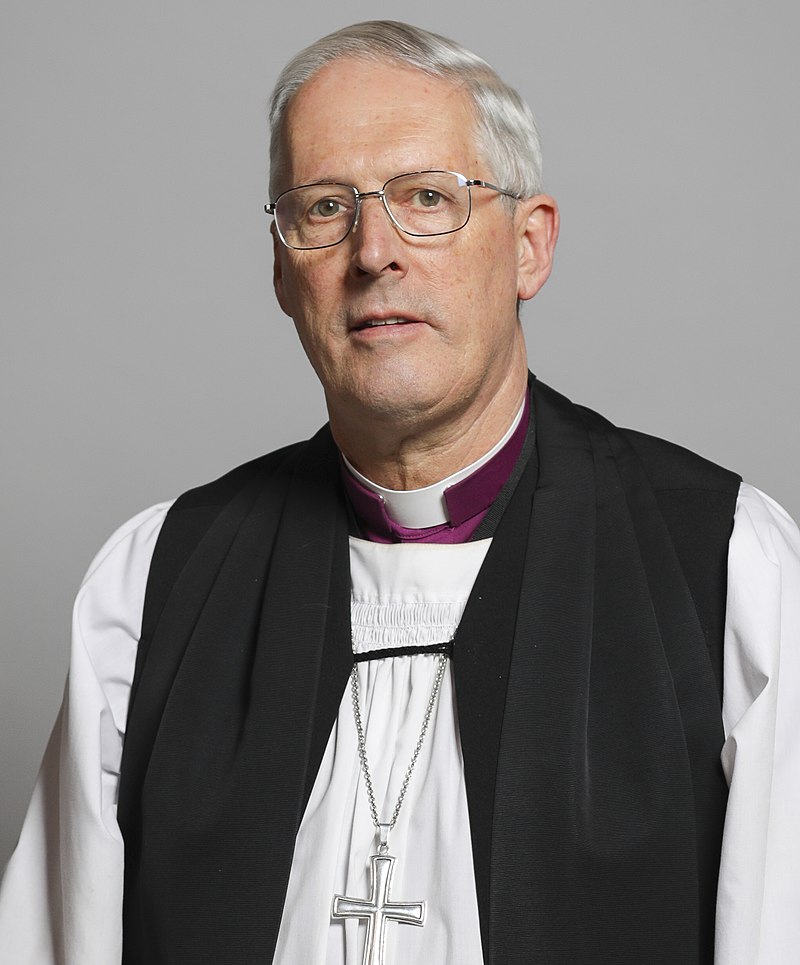

 The Lord Bishop of Newcastle: My Lords, I thank the Minister for his answers, but I am concerned that he cannot give a specific commitment that the cut in development aid funding will not affect the development of this vaccine.
 The Lord Bishop of St Albans [V]: My Lords, I ask the Minister to answer the question from the noble Lord, Lord Collins: will Her Majesty’s Government include a sunset clause in any legislation amending the International Development Act?
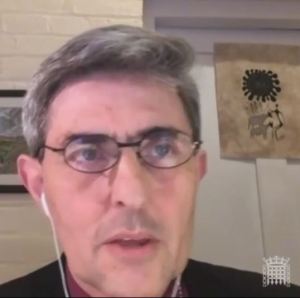 The Lord Bishop of Winchester [V]: My Lords, protecting freedom of religion or belief remains a pertinent issue in the developing world when more than 80% of the world’s population identify with a religion or belief system. My diocese has historic links with the Church of the Province of Myanmar, and during the pandemic many of its clergy have been providing volunteer support in understaffed hospitals. Can the Minister assure the House that, despite the almost £3 billion cut in the UK’s foreign aid budget, Her Majesty’s Government will continue to prioritise international freedom of religion and belief and recognise the contribution of religious groups in the development and support of their communities, particularly in times of crisis?
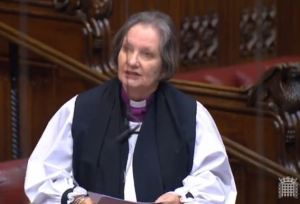 The Lord Bishop of Bristol: My Lords, I have personally seen through the Anglican Communion’s worldwide partnerships the positive impact that the UK’s overseas aid has made to alleviating poverty. I share the concerns of other Peers about the reports of the Government’s intent to overturn the legal commitment to spend 0.7% of gross national income on aid. At the risk of tedium, I hope that the Minister will continue to give this House assurances that the Government have no such plans, which would reduce the UK’s impact under the UN sustainable development goals.
 The Church of England in Parliament
You must be logged in to post a comment.