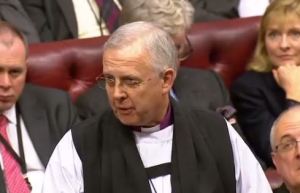
 On 25th June 2018 Lord Fox tabled an oral question ‘to ask Her Majesty’s Government what assessment they have made of the effectiveness of the Apprenticeship Levy.’ The Bishop of Peterborough, the Rt Revd Donald Allister, asked a follow-up question:
The Lord Bishop of Peterborough: My Lords, is the Minister aware that for small businesses and voluntary organisations the process of drawing up the standards is very complicated and time-consuming, that there is little guidance on this and no financial help for it from government, and that since the levy was introduced the grant for apprenticeships has fallen from £6,000 for an 18-year-old to £2,500, so the YMCA tells me? That makes it unviable for the YMCA to offer apprenticeships. Continue reading “Bishop of Peterborough questions effectiveness of Apprenticeship levy”
 The Lord Bishop of Peterborough: My Lords, yesterday, the River Restaurant downstairs helped us to celebrate Burns Night all day. I thoroughly enjoyed the Scotch broth at lunchtime, but I resisted the main course as I was eating out in the evening. I even resisted the whisky bread-and-butter pudding. The main course which I resisted was vegetarian haggis, celebrating Robert Burns in a way that respected the consciences of those who do not want to eat meat. That is a very proper and good thing to do. There is no legal requirement to provide vegetarian haggis, but it was welcome to many and I think that I would have enjoyed it.
 On the 22nd January 2017 Lord Lexden asked the Government “whether they intend to review the law governing the naming of deceased individuals against whom criminal allegations have been made.” In his follow up question Lord Lexden raised the case of the deceased Bishop George Bell and the recent Carlile Review. The Bishop of Peterborough, Rt Revd Donald Allister, also asked a follow up question:
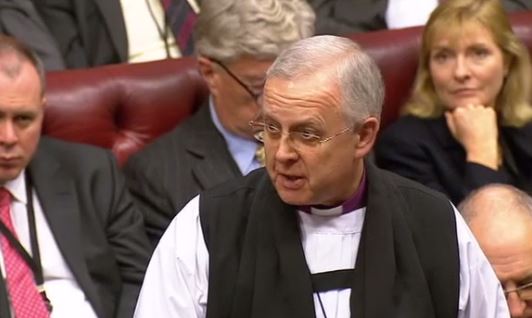
 The Lord Bishop of Peterborough: My Lords, from these Benches I very much welcome the Statement and the sentiments in it, particularly its focus on the direct victims. However, there are also indirect victims of such attacks—those who are made to feel more afraid simply to go about their daily lives. That includes a lot of people, not least many in our Muslim communities. Does the noble Earl agree that, as a result of these attacks, it is very important to do all we can to increase the feeling of safety among those in Muslim communities, seeing them not just as people who must be targeted for information but as people who are part of our wider community and whom we must cherish and care for, helping them to feel safe and welcome? This includes not just community policing but many other areas of work with them, and it includes a very strong focus on dealing with right-wing extremism, which would threaten those communities.



You must be logged in to post a comment.