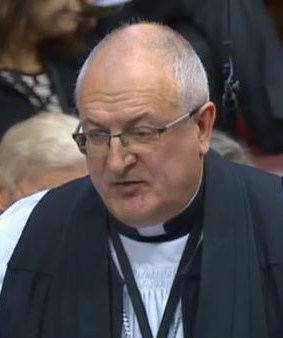
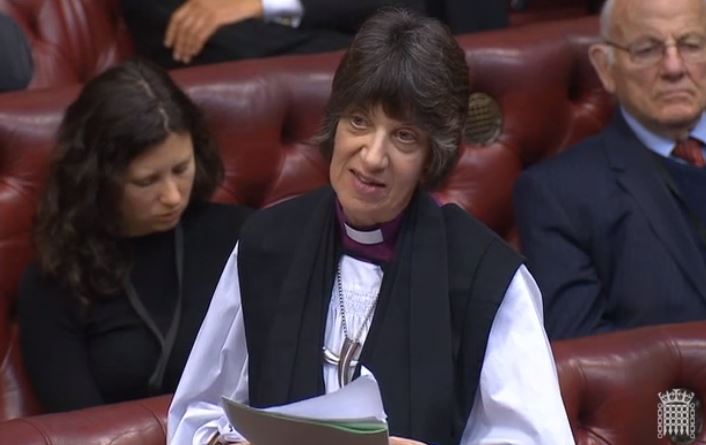
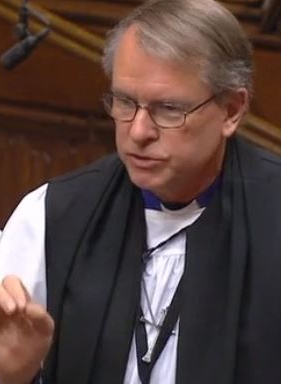
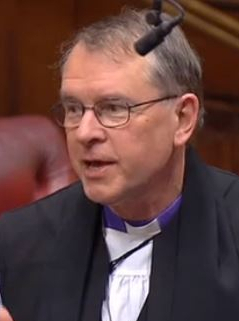
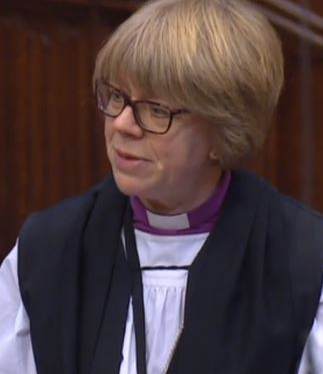
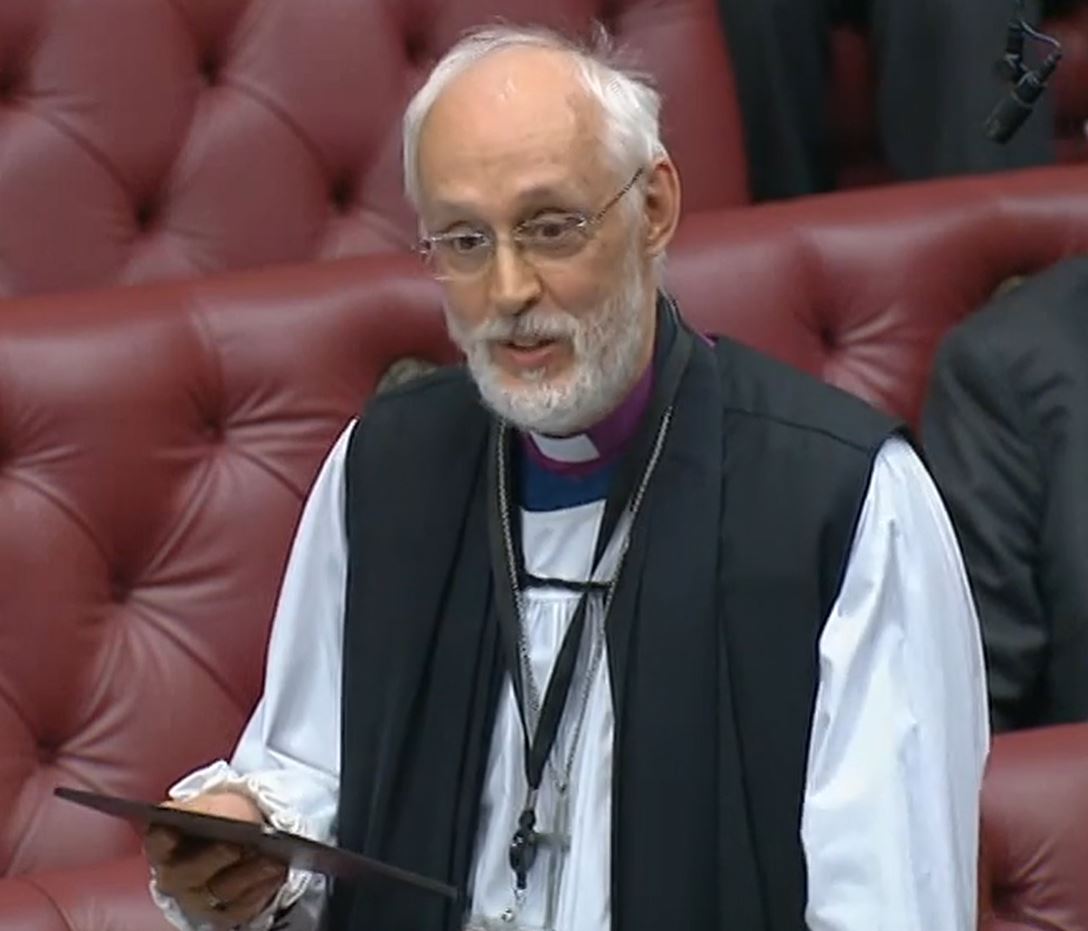
Police Bill: Bishop of Leeds speaks on amendment on access to crime and accident scenes for ministers of religion

“I praise the emergency services and the police for their sensitivity in the way they have addressed this, but they are doing so within a culture that often treats religion as a private matter.”

The House of Lords considered the Government’s Police, Crime, Sentencing and Courts Bill in Committee on 22nd November 2021. The Bishop of Leeds spoke in the debate on an amendment to the Bill from Baroness Stowell of Beeston about police procedure on religious rituals or prayer at crime scenes:


The Lord Bishop of Leeds: My Lords, this is very sensitive territory. Dying is sacred and is part of our living. I think I am the only minister of religion here, and I have accompanied many people, including my own father, to and through their death. If you have been party to that, you will know that it is holy territory

One could say that violent death is even more holy because of how that dying has been brought about. It seems that there needs to be religious literacy on the part of the emergency services and the police, and that the religious bodies need also to improve their literacy in relation to the nature of these events and how they are dealt with.

Continue reading “Police Bill: Bishop of Leeds speaks on amendment on access to crime and accident scenes for ministers of religion”
Police, Crime, Sentencing & Courts Bill: Bishop of Leeds supports amendment on qualifications for court interpreters

On 22nd November 2021, the House of Lords debated the Police, Crime, Sentencing & Courts Bill. The Bishop of Leeds spoke in the debate, supporting an amendment tabled by Baroness Coussins which would establish minimum qualifications for court appointed interpreters:

The Lord Bishop of Leeds: My Lords, I endorse every word of what the noble Baroness just said. In a previous incarnation—that is probably the wrong phrase to use; I am mixing my religions—I was a professional linguist in Russian, German and French, working in government service. One of the things you learn as a professional linguist is that language goes deep. This is not simply a matter of picking someone off the street who can order a pint in a Spanish bar; you are dealing with the stuff of people’s lives. Surely accuracy is vital, for the sake of not only clarity of understanding but justice itself.

Continue reading “Police, Crime, Sentencing & Courts Bill: Bishop of Leeds supports amendment on qualifications for court interpreters”

Police, Crime, Sentencing & Courts Bill: Bishop of Bristol supports amendments on short sentences on behalf of Bishop of Gloucester

The Bishop of Bristol spoke in a debate on amendments to the Police, Crime, Sentencing & Courts Bill on 15th November, on behalf of the Bishop of Gloucester. The speech was in support of amendments tabled by Lord Dubs and by Lord Ponsonby of Shulbrede, which sought to raise the threshold for imposition of short custodial sentences where community orders or other alternatives could be imposed instead:

The Lord Bishop of Bristol: My Lords, I speak on behalf of my right reverend colleague the Bishop of Gloucester, who is unable to be in her place. She declares an interest as Bishop to Her Majesty’s Prisons in England and Wales. These are her words.

“I am delighted to add my name in support of Amendment 213, tabled by the noble Lord, Lord Dubs. I also have great sympathy for Amendment 212, tabled by the noble Lord, Lord Ponsonby. Both aim to remedy some of the justice system’s current overemphasis on prison sentences without sufficient regard for whether prison is an effective remedy for the offender or a guarantee to the safety and benefit of the community. By and large, short sentences have proven ineffective on both counts.

Continue reading “Police, Crime, Sentencing & Courts Bill: Bishop of Bristol supports amendments on short sentences on behalf of Bishop of Gloucester”

Police, Crime, Sentencing & Courts Bill: Bishop of Ely speaks in support of amendments on prison release schedules

The Bishop of Ely spoke in a debate on the Police, Crime, Sentencing & Courts Bill on 15th November 2021, in support of amendments that would prevent prisoners from being released on a Friday, a weekend, or a public holiday, in order to ensure that newly released people would have access to services and support:

The Lord Bishop of Ely: My Lords, I was not intending to speak to these amendments but, having been involved in prisoner resettlement in the past, I feel it is important to say that Friday release has a particular impact on younger women prisoners if their only option is a bail hostel.

Continue reading “Police, Crime, Sentencing & Courts Bill: Bishop of Ely speaks in support of amendments on prison release schedules”

Police, Crime, Sentencing & Courts Bill: Bishop of Gloucester supports amendments targeted towards reform of Imprisonment for Public Protection

On 15th November 2021, the House of Lords debated amendments to the Police, Crime, Sentencing & Courts Bill. The Bishop of Gloucester spoke in the debate, supporting amendments designed to scrutinise the continuation of indefinite Imprisonment For Public Protection (IPP) Sentences:

The Lord Bishop of Gloucester: My Lords, I add my voice to those who have already spoken in favour of these amendments. I declare my interest as Anglican Bishop to Her Majesty’s Prisons.

All the detail I was going to mention has already been carefully and expertly explained; again, I pay tribute to the organisations that have been named, including the Howard League, the Prison Reform Trust and UNGRIPP, for their excellent briefing reports and research. It resonates strongly with all the conversations I have with people in prison and family members who write to me or send me emails. The thing I am struck most by is the sense of hopelessness; many noble Lords have mentioned that. I am a proud patron of Prison Fellowship, whose motto is:

“We believe no one is beyond hope.”

We really need to listen to that in this debate.

Continue reading “Police, Crime, Sentencing & Courts Bill: Bishop of Gloucester supports amendments targeted towards reform of Imprisonment for Public Protection”

Police, Crime, Sentencing & Courts Bill: Bishop of Durham supports exclusion of children from changes to mandatory minimum sentences

On 10th November 2021, during a debate on amendments to the Police, Crime, Sentencing & Courts Bill, the Bishop of Durham, on behalf of the Bishop of Derby, spoke in support of an amendment tabled by Baroness Massey which would ensure that children would not be affected by the imposition of changes to mandatory minimum sentences under the bill:

The Lord Bishop of Durham: My Lords, I speak on behalf of the right reverend Prelate the Bishop of Derby on this occasion, who could not be here today. I add my support to Amendments 198, 199, 200 and 201, in the name of the noble Baroness, Lady Massey, which deal with tariff starting points or DHMP sentences as they relate to young people. The noble Baroness laid out well the case for amending Clause 104 so that it takes into account evidence on maturation. I will briefly add the right reverend Prelate the Bishop of Derby’s perspective as a Lord spiritual and as part of a team of Bishops focused on Her Majesty’s prisons, particularly young offender institutions. She also declares an interest as vice-chair of the Children’s Society.

Children ought to be treated as children, and we resist any erosion of that in law. If we are to argue to the contrary we must be content to go against the trajectory of every other arena of English law. Eighteen is soon to become the age at which people can legally marry, leave education and join the Armed Forces. I urge noble Lords to reflect on this. If we project from this that children are to be protected from making decisions about marriage, education and even enlisting in Her Majesty’s Armed Forces until they reach a maturation point of 18, then the same logic surely must continue to apply in this instance.

Continue reading “Police, Crime, Sentencing & Courts Bill: Bishop of Durham supports exclusion of children from changes to mandatory minimum sentences”

Police, Crime, Sentencing and Courts Bill: Bishop of Durham moves rehabilitation amendment on behalf of the Bishop of Gloucester

On 10th November 2021, the House of Lords debated the Police, Crime, Sentencing and Courts Bill in the seventh day of the committee stage. On behalf of the Bishop of Gloucester, the Bishop of Durham moved amendment 181, which would ensure that “reasonable efforts” would be made to support interventions to prevent offenders under community cautions from reoffending:

The Lord Bishop of Durham: My Lords, I am moving the amendment in the name of my friend the right reverend Prelate the Bishop of Gloucester, with her permission, as she is, sadly, unable to be here. I declare her interest as Anglican Bishop for Prisons in England and Wales, and we are very grateful for the support of the noble and learned Lord, Lord Thomas, and the noble Lord, Lord Beith.

I should say first that, while there are many parts of the Bill with which I take some issue, I do by and large consider it a welcome feature of the Bill that it places a new emphasis and focus on diversionary and community cautions, and on simplifying the previous regime. Done well, these out-of-court disposals, with helpful conditions attached, can be an effective solution that strikes a balance between punishment, the protection of communities and supporting the offender to successfully seek restoration in their community.

Continue reading “Police, Crime, Sentencing and Courts Bill: Bishop of Durham moves rehabilitation amendment on behalf of the Bishop of Gloucester”

Police, Crime, Sentencing and Courts Bill: Bishop of London adds support to amendments aimed at protecting sites for Gypsy, Roma, and Traveller Communities

The House of Lords debated amendments to the Police, Crime, Sentencing & Courts Bill in committee on 3rd November 2021. During the debate, the Bishop of London spoke in support of amendments which would limit police powers relating to the proposed offence of criminal trespass, which would have particular effect on Gypsy, Roma and Traveller communities and the sites used by these communities:

The Lord Bishop of London: My Lords, I have listened with interest to what noble Lords have said on this group of amendments, and I rise to add my support to them, particularly Amendment 149.

In 2019, the General Synod, the parliament of the Church of England, held a serious and lengthy debate on the treatment of Gypsy, Roma and Travelling communities. It noted the long and ugly history, going back at least as far as the Egyptians Act, passed by your Lordships’ predecessors in 1530, which sought to ban further immigration from Romani Gypsies and to deport resident Gypsies.

Continue reading “Police, Crime, Sentencing and Courts Bill: Bishop of London adds support to amendments aimed at protecting sites for Gypsy, Roma, and Traveller Communities”

Police, Crime, Sentencing and Courts Bill: Bishop of Manchester supports amendments to limit police powers regarding criminal trespass

On 3rd November 2021, the Bishop of Manchester spoke in support of amendments to the Police, Crime, Sentencing & Courts Bill in committee. The amendments, tabled by Baroness Whittaker, aimed to limit police powers relating to the offence of “criminal trespass”, particularly pertaining to sites used by Gypsy, Roma and Traveller Communities:

The Lord Bishop of Manchester: My Lords, I support Amendments 133 and 149 in my name and the names of the noble Baroness, Lady Whitaker, who has spoken so eloquently, and the unavoidably absent noble Lords, Lord Alton and Lord Bourne. I also wish to support Amendment 147 in the name of the noble Lord, Lord Rosser, and others. I refer noble Lords to my interest in policing ethics that is set out in the register.

As I said at Second Reading, Gypsy, Roma and Traveller people have been a vital part of the economy of our nation—not least its agricultural sector—for many generations. Their mobility has enabled them to provide labour at the point of need for shorter or longer periods of time. The consequence of that very flexibility is that they have not acquired fixed land, property or dwellings over generations, but are constantly at the whim of the availability of sites and pitches for their vehicles and caravans. The labour shortages that presently beset us might serve as a reminder that we owe a debt to those who have provided a flexible workforce in times past. Instead, this Bill seeks to push them towards criminality while making no adequate alternative provision for them.

Continue reading “Police, Crime, Sentencing and Courts Bill: Bishop of Manchester supports amendments to limit police powers regarding criminal trespass”

Police, Crime, Sentencing and Courts Bill: Bishop of St Albans moves amendments on poaching and illegal hare coursing

On 3rd November 2021, the House of Lords debated the Police, Crime, Sentencing and Courts Bill in committee. The Bishop of St Albans moved two amendments to the bill which would broaden the powers of the police and courts to pursue those engaged in illegal hare coursing and poaching of game:

The Lord Bishop of St Albans: My Lords, I declare my interest as president of the Rural Coalition. In moving Amendment 124, I will speak also to Amendment 128 in my name. These amendments seek to strengthen police powers to deal with illegal hare coursing and, more generally, the illegal poaching of game.

Amendment 124 would amend the Game Laws (Amendment) Act 1960 to broaden the police’s powers to remove or arrest an individual trespassing on land where there is clear intent to trespass in pursuit of game, as defined by Section 9 of the Night Poaching Act 1828 and Section 30 of the Game Act 1831. It would also allow the police to seize any vehicles or animals used for the killing or taking of game found in the possession of the trespasser, and would allow the court to order

“the offender to reimburse any expenses incurred by the police in connection with the keeping of any animal seized”.

Further, the amendment seeks to broaden the court’s ability to limit repeated violations by issuing disqualification orders for those individuals convicted under the Night Poaching Act or Game Act for having custody of a dog or dogs.

Continue reading “Police, Crime, Sentencing and Courts Bill: Bishop of St Albans moves amendments on poaching and illegal hare coursing”