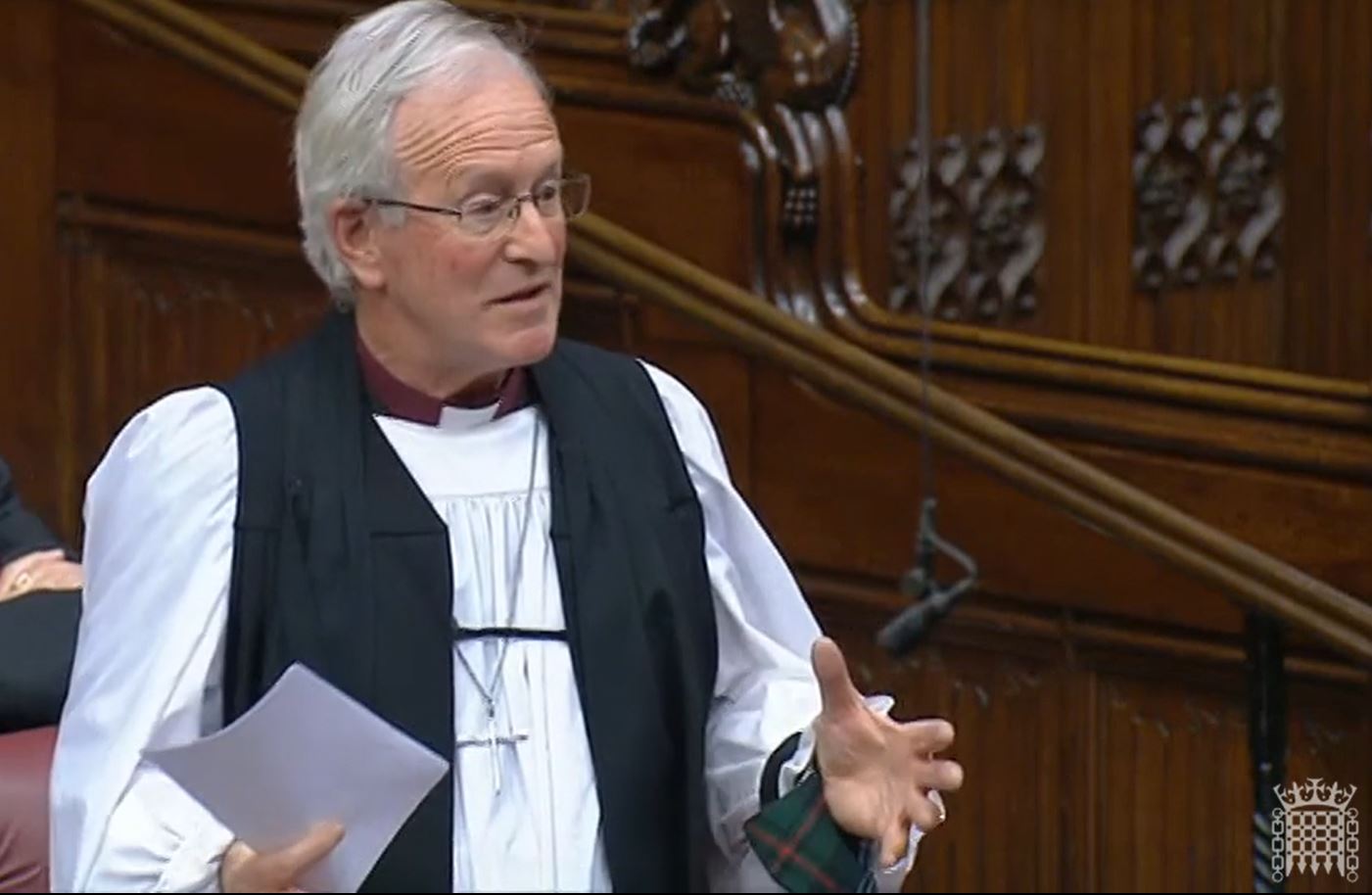
On 12th January 2021, the Bishop of Birmingham asked a question on the future impact of economic recovery from the COVID-19 Pandemic:
The Lord Bishop of Birmingham [V]: I am grateful for the much-appreciated provisions made by the Chancellor so far in this extreme crisis and for his honesty in outlining the significant harm already caused to the economy by the pandemic. Will the Minister reassure the House that, following these emergency measures, many of which have been outlined just now, there are plans and policies already being formed for a recovery? Would he indicate some of the economic and social principles that the Government will be applying in leading the recovery? In addition to the question from the noble Lord, Lord Balfe, will the inevitable need to rebalance the public finances not unfairly burden the poorest?
Continue reading “Bishop of Birmingham asks about impact of economic pandemic recovery”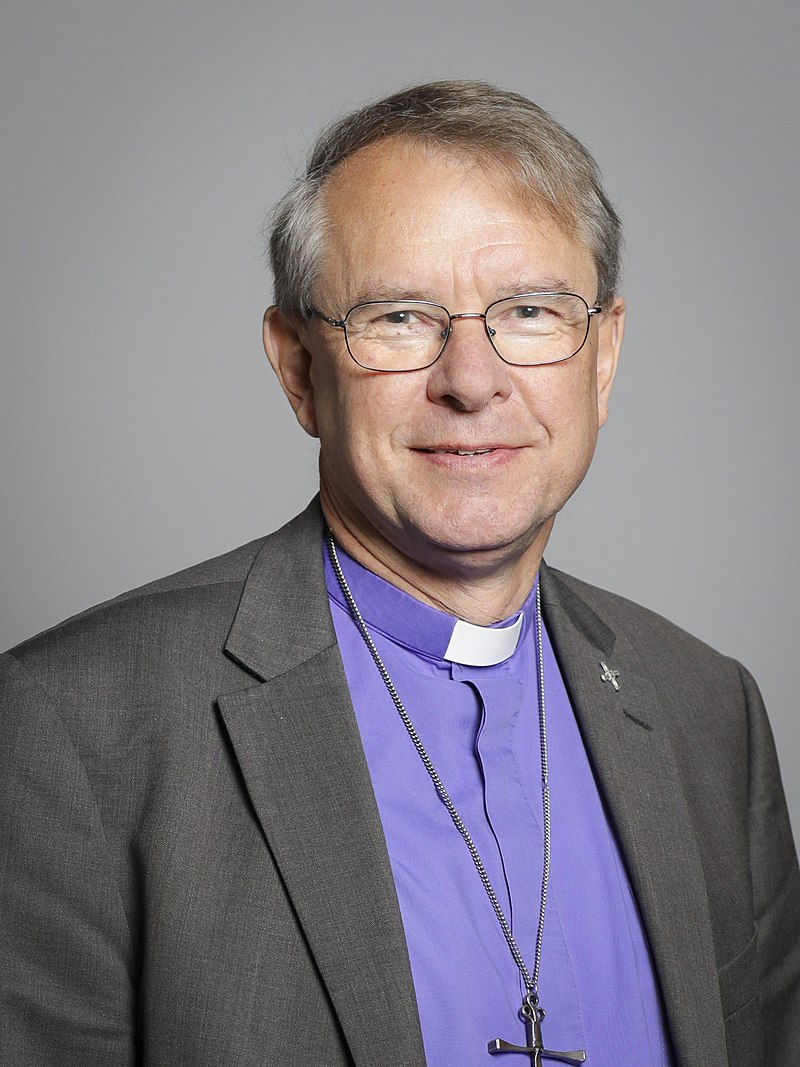
 The Lord Bishop of Durham [V]: Given the ONS recent findings that the lowest regional life expectancy for both male and female children at birth in 2017-19 was observed in my area of the north-east of England, when will Her Majesty’s Government commit to a full-blown strategy to eliminate the obstacles disproportionately facing children in poverty here in the north-east?
 The Lord Bishop of Portsmouth [V]: My Lords, I was delighted to hear the Chancellor stress that the Government would continue to support the most vulnerable, but the proof of that assertion will be in how much money the Government are prepared to provide. That will be the barometer of what and who they consider most important. I therefore join my voice to those profoundly deprecating the proposed cut in development aid. I urge the Government to think again.
 The Lord Bishop of Durham [V]: I warmly welcome so much in the Statement and in the decisions made; I also associate myself with those who ask why it did not all happen a bit more quickly. None the less, this has exposed the underlying fundamental structural issues which mean that we are not tackling child poverty in the round and as a whole. What consideration have Her Majesty’s Government given to creating really long-term solutions by forming a child poverty commission, as proposed by faith leaders in their recent letter to the Prime Minister?
 On 22nd October the Bishop of St Albans received a written answer to a question of Government on personal debt as a consequence of coronavirus:
 The Lord Bishop of Oxford: My Lords, I welcome this report and it is good to hear the Minister welcome it too. Deprivation is an issue that goes to the core of natural justice, and therefore our common good as a nation. Does the Minister accept in particular the report’s findings that employment interventions are as critical as educational improvement in addressing systematic inequalities and levelling up? What additional steps do the Government propose to take to improve employment opportunities, particularly when facing the current recession, in the cold spots that the report identifies across the nation?
 The Lord Bishop of Blackburn: My Lords, a recent report by the Church of England and the Child Poverty Action Group highlighted the “disproportionate impact” of the pandemic on low-income families with children, saying that:
 The Lord Bishop of Rochester: My Lords, I welcome the opportunity to speak in this debate, and I broadly and warmly welcome the provisions in these regulations. While the effects of the pandemic certainly give increased importance to these provisions, the issues are, of course, of very much longer standing. I pay tribute to organisations, including the Children’s Society, which have long campaigned on these matters, as well as to the honourable Member for Rochester and Strood, Kelly Tolhurst, my own Member of Parliament, who, before she was made a Minister, proposed a Private Member’s Bill in the other place to address some of these issues.


You must be logged in to post a comment.