On 18th March 2026, the House of Lords debated the Crime and Policing Bill, including amendments on protest, terrorism, and abortion. Bishops took part on votes on several amendments:

On 18th March 2026, the House of Lords debated the Crime and Policing Bill, including amendments on protest, terrorism, and abortion. Bishops took part on votes on several amendments:

On 13th October 2025, the Bishop of Leeds asked a question on the history of espionage conducted by China in the UK:
The Lord Bishop of Leeds: My Lords, can the Minister confirm that spying by the Chinese is not a new phenomenon but has been conducted under previous Governments as well?
Continue reading “Bishop of Leeds asks about Chinese espionage in the UK”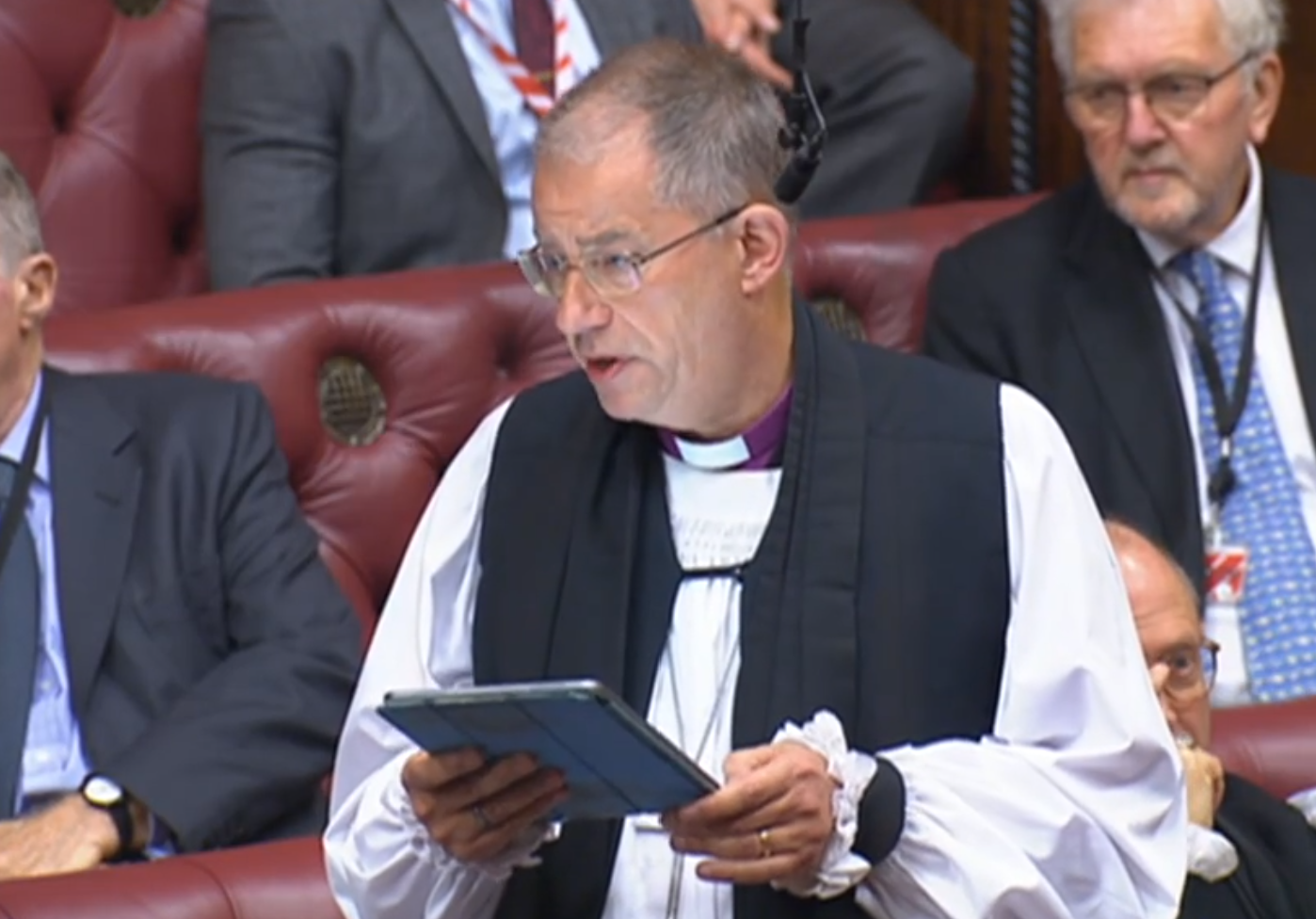
The Bishop of Oxford asked a question on joined up thinking in defence and cybersecurity, and the risks of AI use in government work, on 10th September 2025:
The Lord Bishop of Oxford: My Lords, on Monday the All-Party Parliamentary Group on Artificial Intelligence heard a striking presentation from the Polish Minister for defence and cybersecurity, who talked about the joined-up thinking his nation has developed on defence and commercial attacks of this kind. I ask the Minister what the Government are doing to join up thinking in defence and industry, in terms of cyber- attacks. In light of the Government’s promotion of artificial intelligence, do they consider that this increases the risk of cyberattacks of this kind? What steps are the Government taking to advocate responsible and cautious adoption of AI to mitigate this risk?
Continue reading “Bishop of Oxford asks about use of AI in government work and cybersecurity”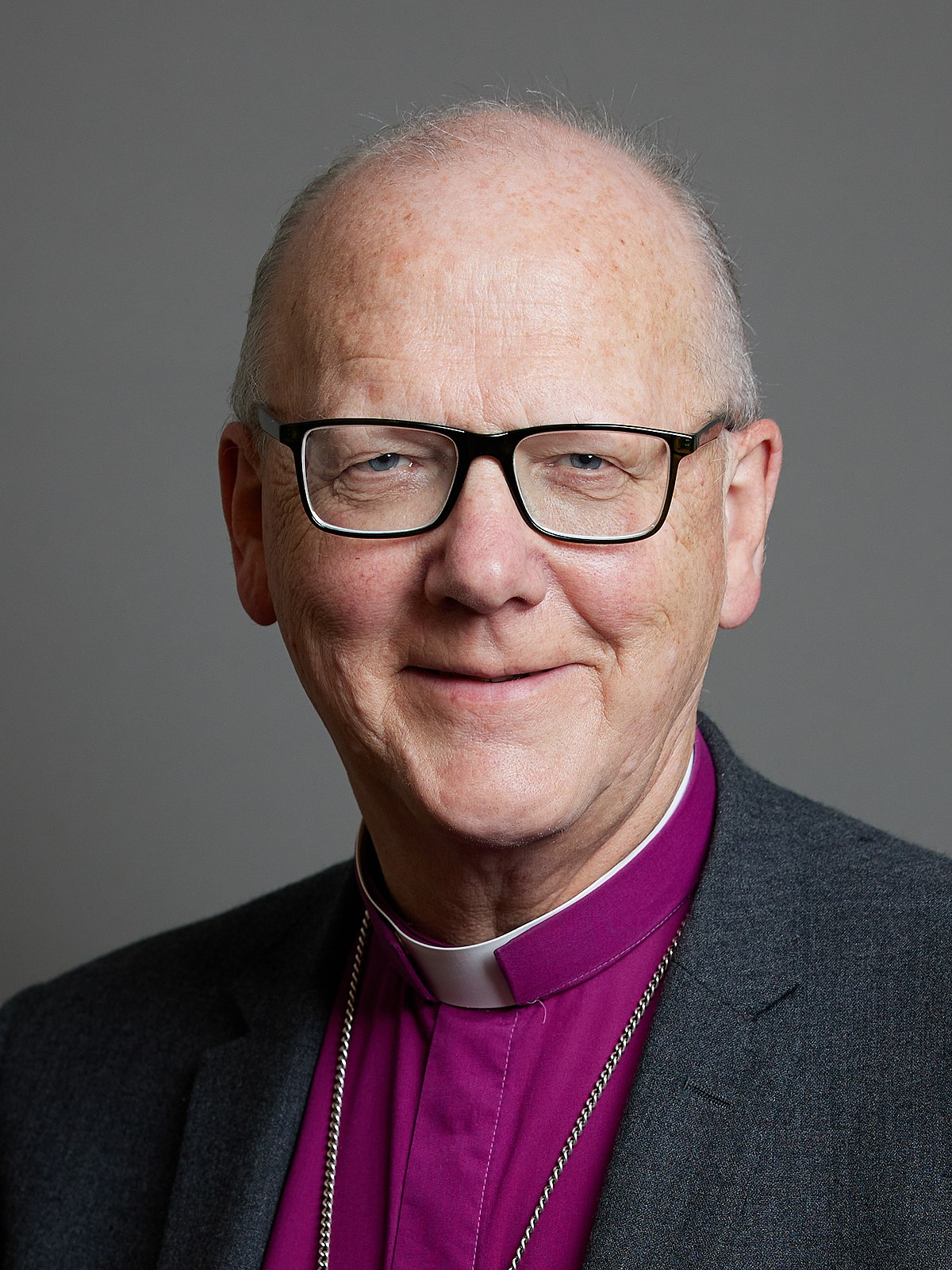
The Bishop of St Albans received the following written answer on 3rd June 2025:
The Lord Bishop of St Albans asked His Majesty’s Government how many Government cybersecurity roles are (1) vacant, and (2) filled by contractors.
Continue reading “Bishop of St Albans asks about government cybersecurity roles”
The Bishop of St Albans asked a question on improving the cyber resilience of UK businesses, organisations and government systems on 21st May 2025:
The Lord Bishop of St Albans: To ask His Majesty’s Government what steps they are taking to improve the cyber resilience of UK businesses, organisations and government systems.
Continue reading “Bishop of St Albans asks about improving cyber resilience in the UK”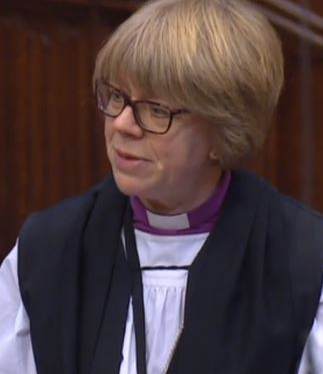
The Bishop of London spoke in a debate on UK policy on the war in Ukraine on 17th March 2025, advocating for a just and lasting peace in Ukraine, and for investment in preventative diplomacy, conflict resolution, and peacebuilding by the UK:
The Lord Bishop of London: My Lords, it is a privilege to follow the noble Lord, Lord Purvis.
As he points out, peace is not only the absence of war but the presence of justice and of the conditions for human flourishing. Therefore, what we need is a just and lasting peace. This peace must address the causes of the war and provide for Ukraine’s security, sovereignty and freedom. We must recognise that this peace needs to be negotiated by all parties and cannot be dictated by the US. We must recognise that any ceasefire will need to be maintained through a combination of mechanisms, such as troops on the ground and trained mediators who can deal with the contentious and central issues, such as access to resources and the repatriation of civilians.
Continue reading “Bishop of London urges investment in diplomacy and peacebuilding during debate on the war in Ukraine”The Bishop of St Albans received the following written answer on 22nd January 2025:
The Lord Bishop of St Albans asked His Majesty’s Government whether they will take steps to inspect and take into custody uninsured tankers sailing through UK waters.
Continue reading “Bishop of St Albans asks about uninsured tankers in UK waters”The Bishop of St Albans received the following written answers on 15th April 2024:
The Lord Bishop of St Albans asked His Majesty’s Government what assessment they have made of the potential impact upon national security of Chinese-made electric vehicles; and whether they plan to further investigate any risks that may arise.
Continue reading “Bishop of St Albans asks about risks associated with electric vehicles produced in China”On 5th March 2024, the Bishop of Leeds gave a speech in response to a motion to take note of the UK’s position on foreign affairs, stressing the need for security in the UK and overseas, and making particular mention of the current civil war in Sudan:
The Lord Bishop of Leeds: My Lords, it is a great pleasure to follow the noble Lord, Lord Young. I endorse the comments made by many speakers about the great respect that we have for the noble Lords, Lord Cameron and Lord Ahmad. I note that it is not only the anniversary of the Fulton speech by Winston Churchill but the 71st anniversary of the death of Stalin—even tyrants are mortal.
Foreign policy is domestic policy, and vice versa. What happens in Gaza hits the streets of Leeds; what happens in Kashmir directly affects attitudes and events in Bradford. It is impossible to put foreign and domestic policies in separate compartments, which is why it is vital that the UK does not create a credibility gap when thinking that what we do in London is not noticed beyond these islands.
In the last 10 years, we have seen the absurdity of speaking of our neighbours as if they could not understand us—I witnessed Brexit—and of demanding adherence by Russia, China, Sudan and so on to the rule of law while being ready in this place to drop commitments made by us. I think that three Bills now have come to this House with a cover note saying that the Secretary of State cannot guarantee that our obligations under human rights legislation, for example, are being met. This country has achieved a credibility over decades, especially in the 80 years since the end of World War II, for honest diplomacy and pragmatic integrity. What takes decades to create can disappear in days when that integrity, or at least reputation for integrity, is compromised or questioned.
Continue reading “Bishop of Leeds raises need for increased security in the UK and overseas during foreign affairs debate”The Bishop of Norwich spoke in response to a government statement on the security of elected representatives on 29th February 2024, asking how the model of disagreeing agreeably could be applied in government:
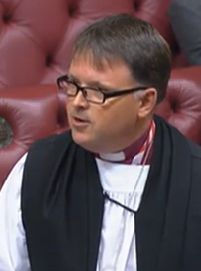
The Lord Bishop of Norwich: My Lords, I thank the Minister for repeating this important Statement. The protection that will be offered to our elected representatives is vital, because this is a period of time of immense concern. As has already been mentioned, the impact, particularly on women and women of UKME heritage, both in person and online, is deeply troubling, as is the abuse suffered by Muslim and Jewish colleagues. Anti-Semitism has been said to be a “light sleeper”, but it is very much wide awake at this time, and a lot of Islamophobia is built on immense ignorance and stereotyping of people.
Continue reading “Bishop of Norwich responds to government statement on security of elected officials” The Church of England in Parliament
You must be logged in to post a comment.