
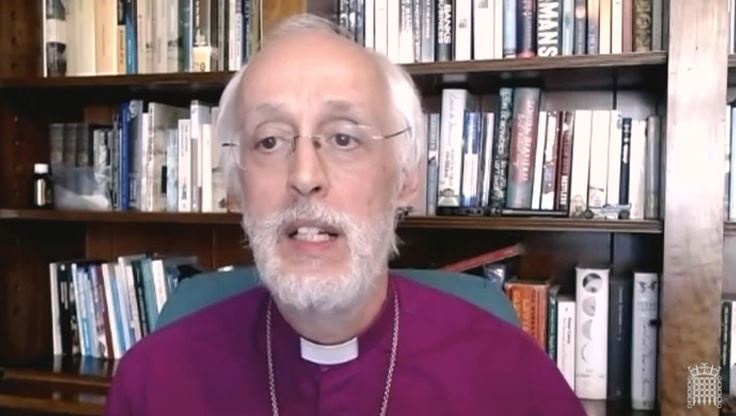
The Bishop of Manchester spoke during a debate on the Domestic Abuse Bill on 27th January 2021, supporting an amendment which would aim to disapply the benefit cap for those fleeing domestic abuse:
The Lord Bishop of Manchester [V]: My Lords, I am very grateful to the noble Baroness, Lady Lister, for proposing Amendment 152, which it is my privilege to co-sponsor, and, indeed, for her excellent speech in opening the debate on this group of amendments. I also look forward to the speech from the noble Lord, Lord Best, who knows more about housing matters than anyone it has ever been my pleasure to work with.
This amendment concerns the application of universal credit, so perhaps I need to say at the outset that the notion of a unified benefits system is one that I and, I suspect, my right reverend and most reverend friends on these Benches will heartily endorse. The mix and mess of the separate systems that it replaced was well overdue for retirement. There are, of course, proper questions about the level of such benefits and what caps, if any, should generally apply if we are to maintain a proper incentive to find work. However, as the noble Baroness, Lady Lister, indicated, those are for another day.
The amendment is simply about how far rules designed for the general context can safely be applied to the very specific circumstances of victims of domestic abuse and their dependants without those rules themselves becoming abusive. As a priest and, for two decades, a bishop in the established Church and as chair of numerous housing associations and housing charities over many years, I have seen all too often the enormous obstacles that lie ahead for anyone, especially a woman with children, fleeing domestic abuse. Too many too often give up and return to a place of damage and danger. Too many who escape face long periods in temporary and unsuitable accommodation, often beyond the point when they need the particular support services offered there. Sadly, too many die at the hands of their abuser.
Continue reading “Domestic Abuse Bill: Bishop of Manchester supports amendments on universal credit rules for victims of domestic violence”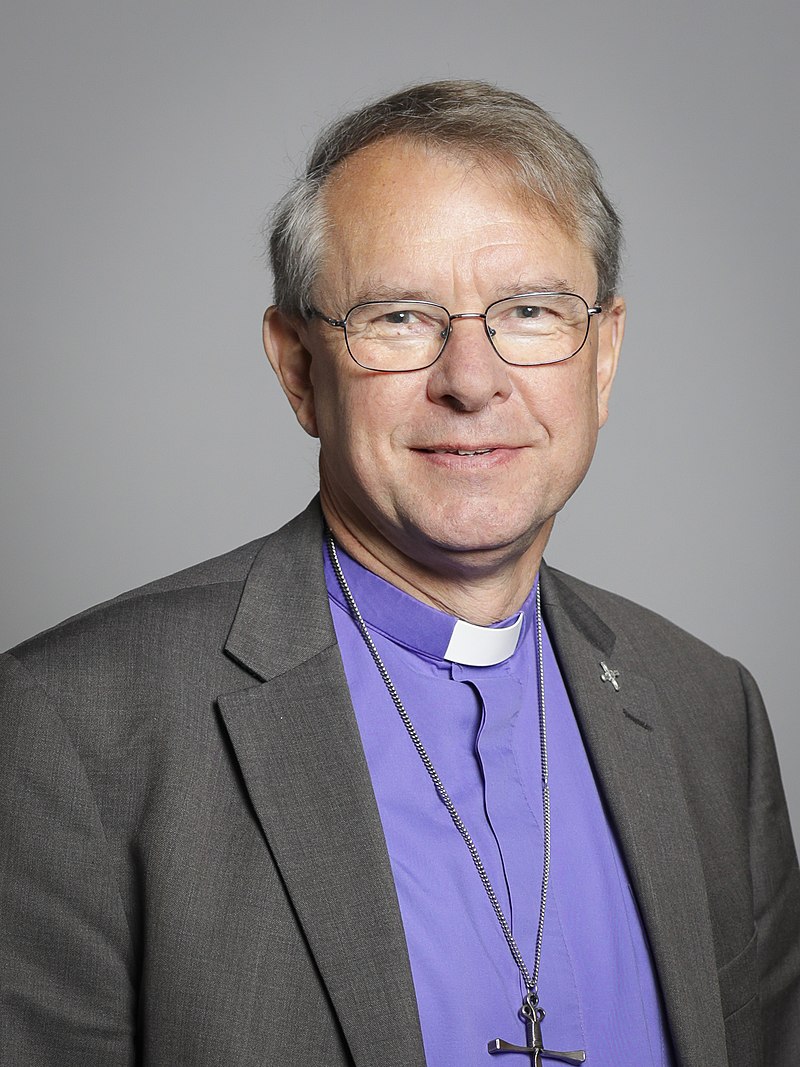
 The Lord Bishop of Durham: To ask Her Majesty’s Government what factors they will consider in their review of whether to make permanent the temporary Universal Credit uplift; and when they plan to announce the outcome of that review. [HL11202]
 The Lord Bishop of Portsmouth [V]: My Lords, I was delighted to hear the Chancellor stress that the Government would continue to support the most vulnerable, but the proof of that assertion will be in how much money the Government are prepared to provide. That will be the barometer of what and who they consider most important. I therefore join my voice to those profoundly deprecating the proposed cut in development aid. I urge the Government to think again.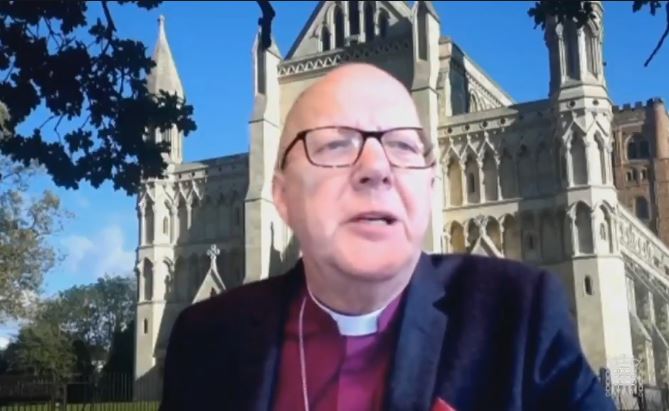
 The Lord Bishop of Blackburn: My Lords, a recent report by the Church of England and the Child Poverty Action Group highlighted the “disproportionate impact” of the pandemic on low-income families with children, saying that: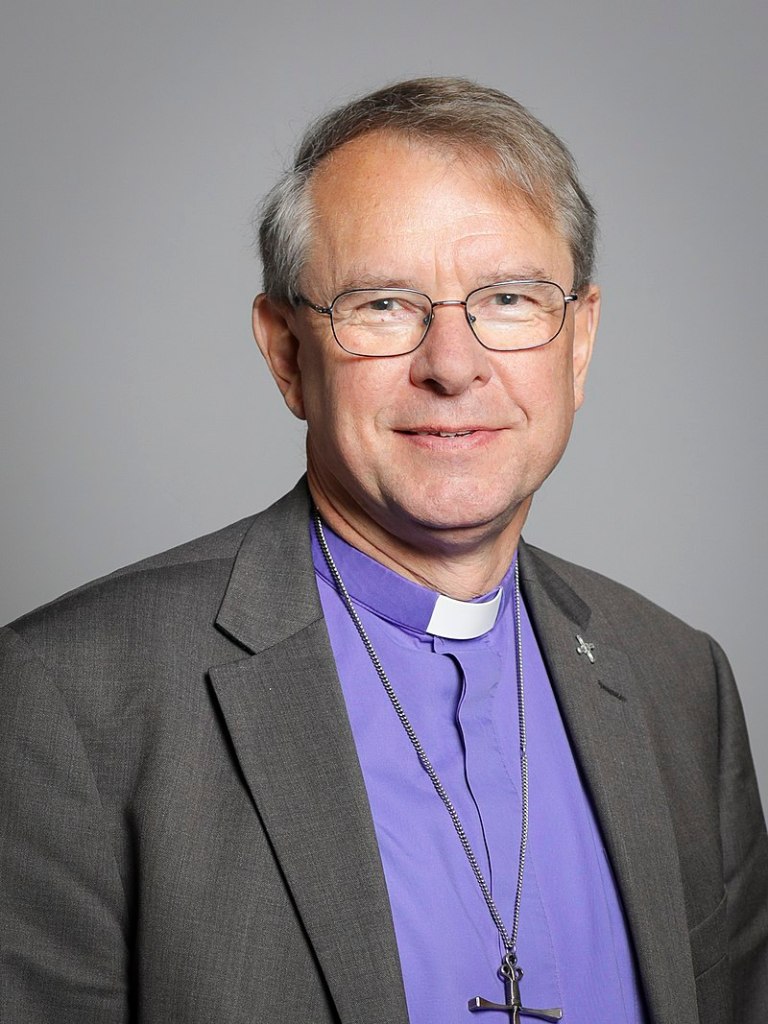
 The Lord Bishop of Durham: My Lords, can we honour the DWP staff for allowing the BBC in? Many of us look forward to seeing what comes out. They have been very brave; many departments do not do that. I understand that the Minister does listen but some of these things have now been going on since the system’s very inception. Yes, many people at food banks and people who talk locally say that the work coaches are doing a wonderful job. That is great, but it is the most vulnerable who are suffering. Could we please listen to their voice and make some changes very rapidly?
  On 3rd October 2019 Lord McNicol of West Kilbride asked the Government “what steps they have taken to reduce inequality in the United Kingdom.” The Bishop of Newcastle, Rt Revd Christine Hardman, asked a further question about people in poverty as a result of early pilots of universal credit.
  The Church of England in Parliament
You must be logged in to post a comment.