Bishop of Durham asks about social security and universal credit

The Bishop of Durham received the following written answers on 25th April 2022:

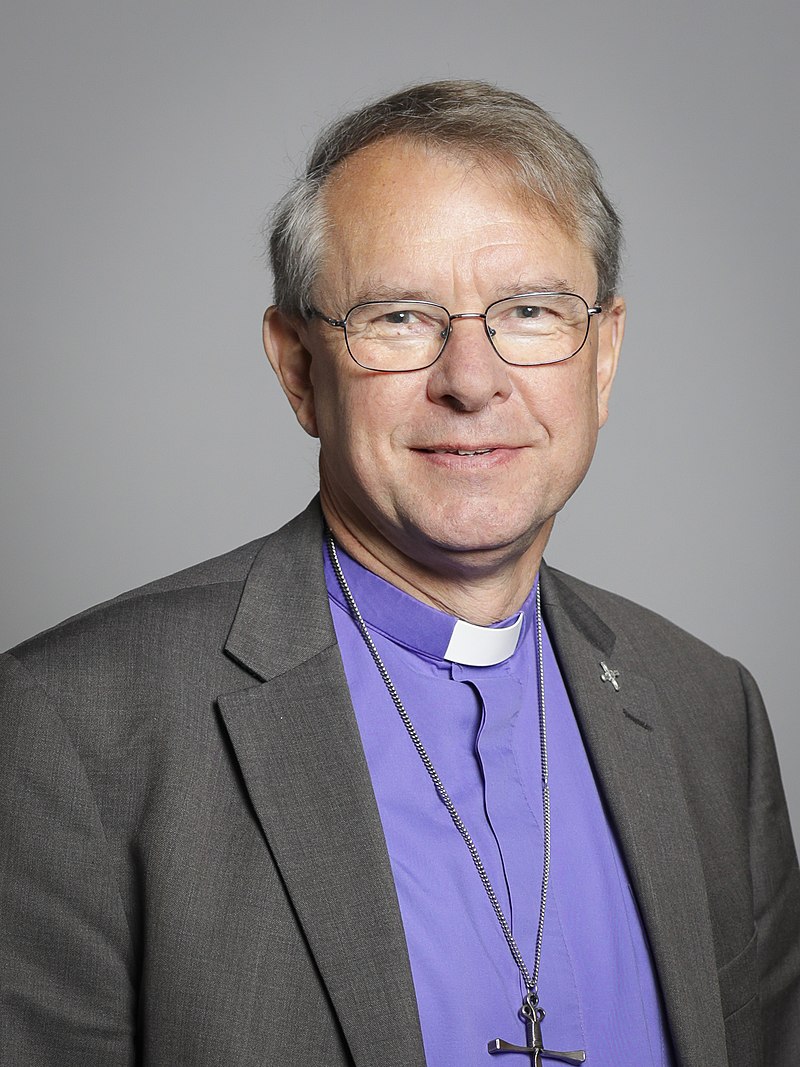
The Lord Bishop of Durham asked Her Majesty’s Government whether they applied the Family Test to the Social Security Benefits Up-rating Order 2022.

Continue reading “Bishop of Durham asks about social security and universal credit”

Skills and Post 16 Education Bill: Bishop of Leeds speaks in debate

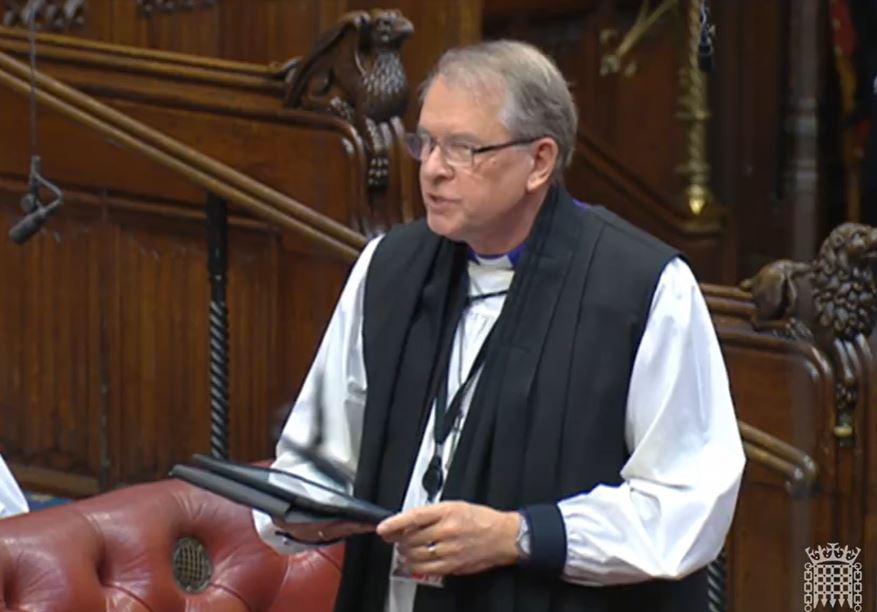
On 24th March 2022, the House of Lords debated commons amendments to the Skills and Post 16 Education Bill. The Bishop of Leeds spoke on behalf of the Bishop of Durham regarding provision for universal credit claimants:

The Lord Bishop of Leeds: My Lords, this House carried an amendment in the name of the right reverend Prelate the Bishop of Durham, who cannot be in his place today, concerning universal credit conditionality—this has been referred to several times—but it was not accepted when the Bill was considered in the other place.

If the Government are to achieve their levelling-up ambitions and enable individuals to secure better-paid employment with improved prospects, then it is essential to achieve greater integration of the support provided for skills development and training by the Department for Education and the Department for Work and Pensions.

Continue reading “Skills and Post 16 Education Bill: Bishop of Leeds speaks in debate”

Bishop of St Albans speaks about universal credit

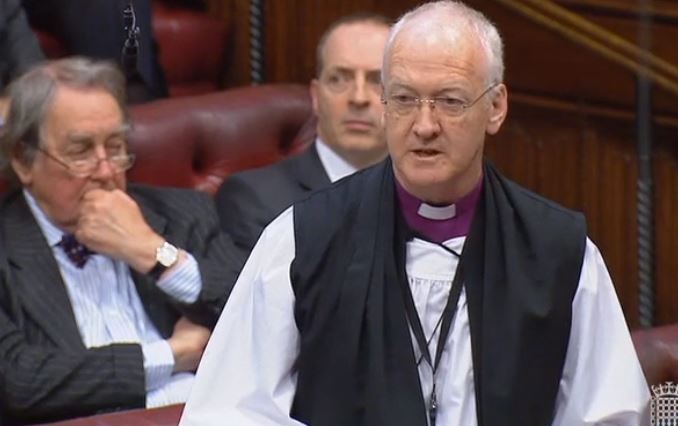
On 23rd March 2022, the House of Lords Grand Committee debated the Economic Affairs Committee Report on Universal Credit. The Bishop of St Albans made the following speech:

The Lord Bishop of St Albans: My Lords, I first add my thanks to the Economics Affairs Committee for producing this excellent report. As is often the case with a Select Committee report, reading it is not only enlightening but deeply informative. I have learned a great deal from it, for which I am grateful.

I too pay tribute to the noble Lord, Lord Forsyth, for his tenacity, such as when securing the intervention in the Chamber earlier. It was so interesting that the concerns were being raised from every Bench. I hope the Government Whips and others are listening to the profound unease coming from every quarter of the House; it is not going to go away. I have experience of working across two relatively well-off counties. I used to work in the Black Country, but nowadays I have responsibility for Hertfordshire and Bedfordshire, which are fairly wealthy, by and large. The concerns coming out of parts of Watford, Stevenage and Bedford are uniform: we are facing a serious challenge.

I have to confess to noble Lords that some of the material in this report was new to me. I am ashamed to say that I had not realised, until reading it, that universal credit is being used by the Government as a vehicle to recover debt. I was glad to be able to raise that earlier although I do not think the Minister understood the point I was making, because we received no answer. This is deeply disconcerting, not only because it will not deliver what the Government want. Simply taking pennies off the poor at a time when Her Majesty’s Government have written off £16 billion in Covid business loans due to errors and fraud—which led to resignations from the Front Bench in our own House—is quite extraordinary and unrealistic.

Continue reading “Bishop of St Albans speaks about universal credit”

Skills and Post-16 Education Bill: Bishop of Durham moves amendment on universal credit conditions for students

On 21st October 2021, the House of Lords debated the Skills and Post 16 Education Bill in the second day of the report stage. The Bishop of Durham spoke in the debate, supporting amendments on special educational needs, and moving his amendment on providing flexibility for universal credit recipients seeking further education:

The Lord Bishop of Durham: My Lords, this is my first opportunity to welcome the Minister to her new role, and, indeed, the noble Baroness, Lady Chisholm, to hers. In my own role as chair of the National Society—which I declare as an interest—I look forward to working with them both on many matters relating to education and the Church of England’s place as a major provider.

Turning to Amendments 44 and 46, which I was pleased to add my name to, I thank both noble Baronesses for the time they gave us recently to discuss them. The need for specific provision to be made to better meet the needs of students with specific learning needs and disabilities at all levels has been made—not for the first time—with great expertise by the noble Lord, Lord Addington, and I wholeheartedly support these amendments. Given the range and varied nature of the learning needs among FE students, their lecturers, tutors, assessors and other staff must have the skills to recognise those needs to be able to adapt their own approach to teaching, learning and assessment, and to be able to promptly and appropriately refer students for more specialised or intensive support.

Continue reading “Skills and Post-16 Education Bill: Bishop of Durham moves amendment on universal credit conditions for students”

Votes: Skills and Post-16 Education Bill

On 21st October 2021, the House of Lords debated the Skills and Post-16 Education Bill in the report stage. Votes were held on amendments to the bill, in which Bishops took part:

Continue reading “Votes: Skills and Post-16 Education Bill”

Bishop of Gloucester raises issues of food poverty in debate on universal credit uplift

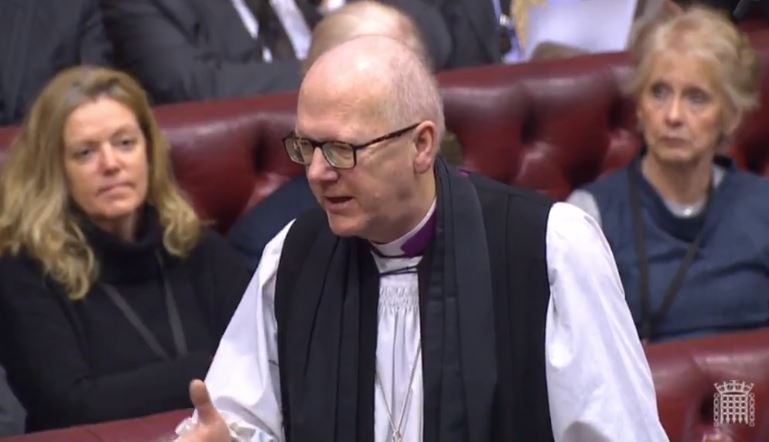
The Bishop of Gloucester spoke in a debate on the proposed removal of the universal credit uplift on 9th September 2021, with reference to the impact such a decision would have on levels of food poverty in the UK:

The Lord Bishop of Gloucester: I am grateful to the noble Baroness, Lady Tyler, for introducing this important debate, and I declare my interest as a trustee of Feeding Britain. I will focus my time on the impact that withdrawing the £20 uplift will have on food poverty. More than 500 anti-poverty workers, volunteers and supporters within the Feeding Britain network have signed a petition calling on the Government not to remove the increase, and that petition will be delivered to No. 10 in about an hour.

Continue reading “Bishop of Gloucester raises issues of food poverty in debate on universal credit uplift”

Skills and Post-16 Education Bill: Bishop of Durham tables amendment removing restriction on claiming universal credit for those in education

On 21st July 2021, the House of Lords debated the Skills and Post-16 Education Bill in the fourth day of the committee stage. The Bishop of Durham tabled a probing amendment to the bill which would remove restrictions on claiming universal credit from those receiving education:

The Lord Bishop of Durham:

90A: After Clause 25, insert the following new Clause—

“Universal credit conditions: receiving education

(1) In section 4 of the Welfare Reform Act 2012—(a) in subsection (1) omit paragraph (d), and(b) omit subsection (6).(2) The Secretary of State may by regulations made by statutory instrument make consequential provision.(3) A statutory instrument containing regulations under this section is subject to annulment in pursuance of a resolution of either House of Parliament.”Member’s explanatory statement

This amendment would remove the restriction that those “receiving education” cannot claim Universal Credit, which at present may impede some of the most disadvantaged from benefitting from learning opportunities. It is intended to probe how the Government plans to incentivise take-up of training programmes, and to elicit how cross-departmental working can be made more effective in transforming learning and skills.

Continue reading “Skills and Post-16 Education Bill: Bishop of Durham tables amendment removing restriction on claiming universal credit for those in education”

Bishop of St Albans asks about access to healthy food for children in low income households

The Bishop of St Albans asked a question on access to healthy food for children in low income households on 13th July 2021, following a question on support for people receiving universal credit:

The Lord Bishop of St Albans: My Lords, I am saddened to hear about the phasing out of the £20 uplift in universal credit. Her Majesty’s Government have made a very positive step towards tackling childhood obesity with plans to ban junk food adverts before 9 pm but there is a clear link between poverty and obesity, particularly where financial constraints make cheap, high-calorie food more affordable than healthy alternatives. How then do the Government aim to improve access to healthy food for those on universal credit?

Continue reading “Bishop of St Albans asks about access to healthy food for children in low income households”

Response to the Budget from the Bishop of Birmingham


03/03/2021

Following the Budget speech, the Bishop of Birmingham, David Urquhart, Convenor of the Bishops in the House of Lords, said:

“This is a time of great uncertainty, and while the Chancellor has rightly focussed on steps to get the economy moving, I’m concerned he has missed the chance to give certainty to those people and families who rely on Universal Credit, by not making the £20 uplift permanent.

“I’ll look at the details of the Budget closely for measures that will help the poorest and most vulnerable, especially access to sustainable jobs. The £19m for Domestic Abuse programmes is welcome as is support for schools to help get children back on the road of educational discovery. The lack of detail on social care is, however, a worry.

“The £300m additional funding for the Culture Recovery Fund is very welcome and will support the many small businesses and independent contractors our churches employ and support. I also note that the Levelling Up Fund prospectus specifically mentions cultural and heritage assets, including churches, and we look forward to churches and cathedrals particularly in areas of high deprivation taking part in this programme.”

Source: CofE website

Bishop of Leeds asks about social cost of benefit cuts

The Bishop of Leeds asked a question on the long term social costs of cutting benefits on 2nd March 2021, during a discussion on support for those receiving universal credit during the COVID-19 Pandemic:

The Lord Bishop of Leeds: My Lords, I congratulate the Government on what they have done in this respect in supporting so many vulnerable people during the pandemic. However, does the Minister agree that the danger of the cut that taking away the £20 a week would be is that the Government would get a short-term saving, but would pay far more in the longer term because of some of the social costs? Given the number of people we see using food banks in my diocese and around the country—including working people—and the number of children in poverty and likely to go deeper into it, the remedial costs of supporting them into the longer-term future will far outweigh anything paid now.

Continue reading “Bishop of Leeds asks about social cost of benefit cuts”