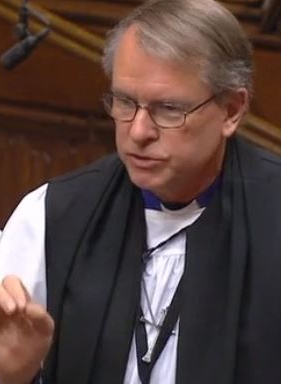
Bishop of Carlisle asks about children’s social care

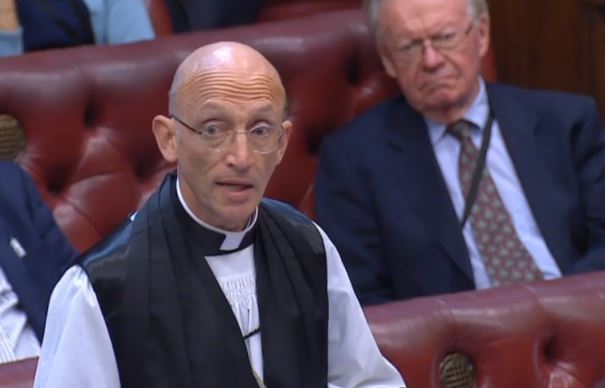
The Bishop of Carlisle asked a question on 24th May 2022, during a debate on the Independent Review of Children’s Social Care:

The Lord Bishop of Carlisle: My Lords, as we have already heard, much is to be welcomed in this review, which clearly has the needs of vulnerable children and young people right at its core. The emphasis on boosting early help to prevent children reaching a crisis point is crucial.

Continue reading “Bishop of Carlisle asks about children’s social care”

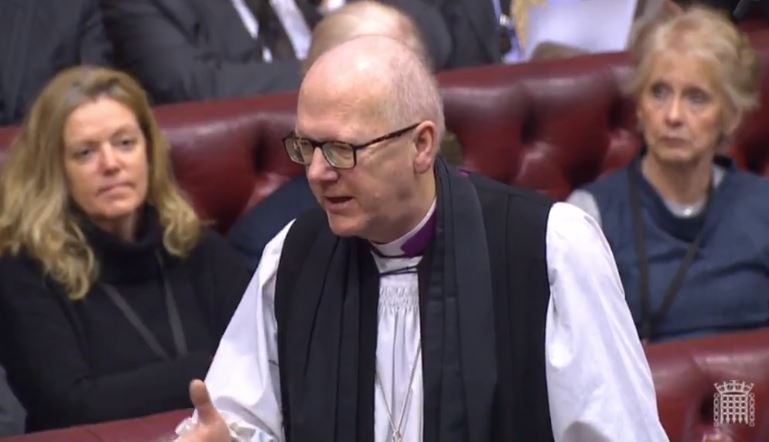
Bishop of Gloucester asks about university places for disadvantaged students

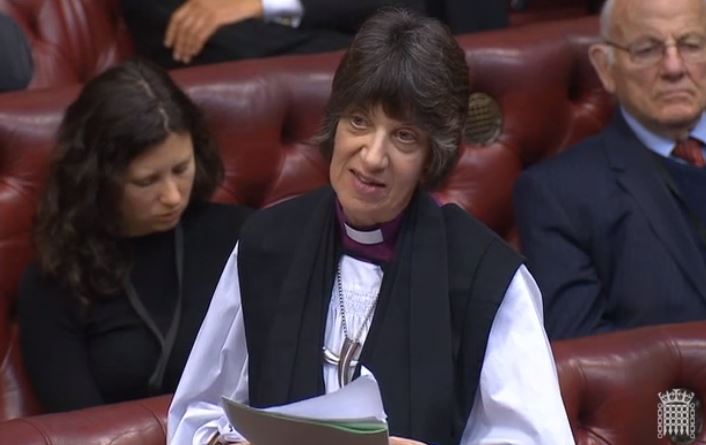
The Bishop of Gloucester asked a question on government support for disadvantaged students seeking university places following the COVID-19 pandemic, during a debate on the effect of the pandemic on disadvantaged communities on 23rd February 2022:

The Lord Bishop of Gloucester: My Lords, due to the effect of the pandemic on university experience, greater numbers of young people have deferred their university places. This particularly affects students leaving school this year, as university capacity is limited. Will the Minister say what is being done so that those from deprived backgrounds seeking university places this year do not become further disadvantaged in their education and future life choices, having often been the most affected by two years of a pandemic?

Continue reading “Bishop of Gloucester asks about university places for disadvantaged students”

Nationality and Borders Bill: Bishop of Durham & Bishop of Gloucester support amendment to costs for children’s citizenship applications

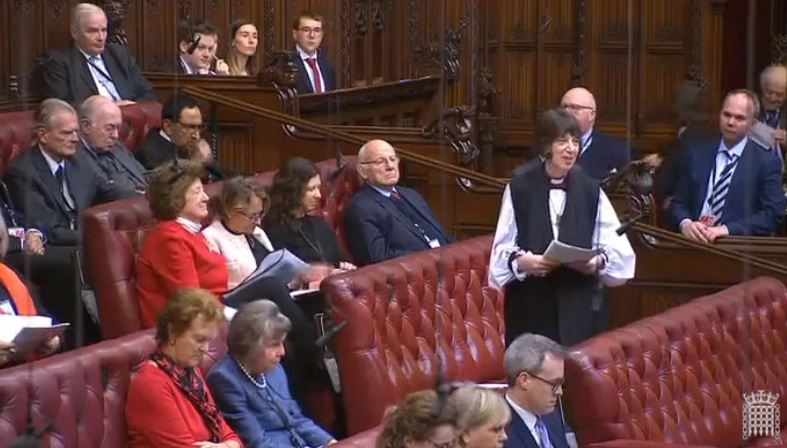
On 27th January 2022, the House of Lords debated the Nationality and Borders Bill in the first day of the committee stage. The Bishop of Gloucester, on behalf of the Bishop of Durham, spoke in support of an amendment to regulations around children’s citizenship, and administrative costs associated with citizenship applications:

The Lord Bishop of Gloucester: My Lords, I will speak on Amendment 13 on behalf of my noble friend the right reverend Prelate the Bishop of Durham, who sadly cannot be in the House until later today. He wishes to declare his interests in relation to both RAMP and Reset, as set out in the register. The following words are his, but I will say that I wholeheartedly agree with every one of them.

My interest comes from my ongoing engagement in this House with issues concerning children and ensuring that their best interests are central to legislation. The Government should be doing everything they can to ensure that all children in the UK have the opportunity to thrive. We should be working to remove barriers that they may face in seeking to reach their full potential. The current British citizenship registration fees create a barrier for many children to being and feeling fully part of society.

Continue reading “Nationality and Borders Bill: Bishop of Durham & Bishop of Gloucester support amendment to costs for children’s citizenship applications”

Bishop of St Albans takes part in debate on deaths caused by social media

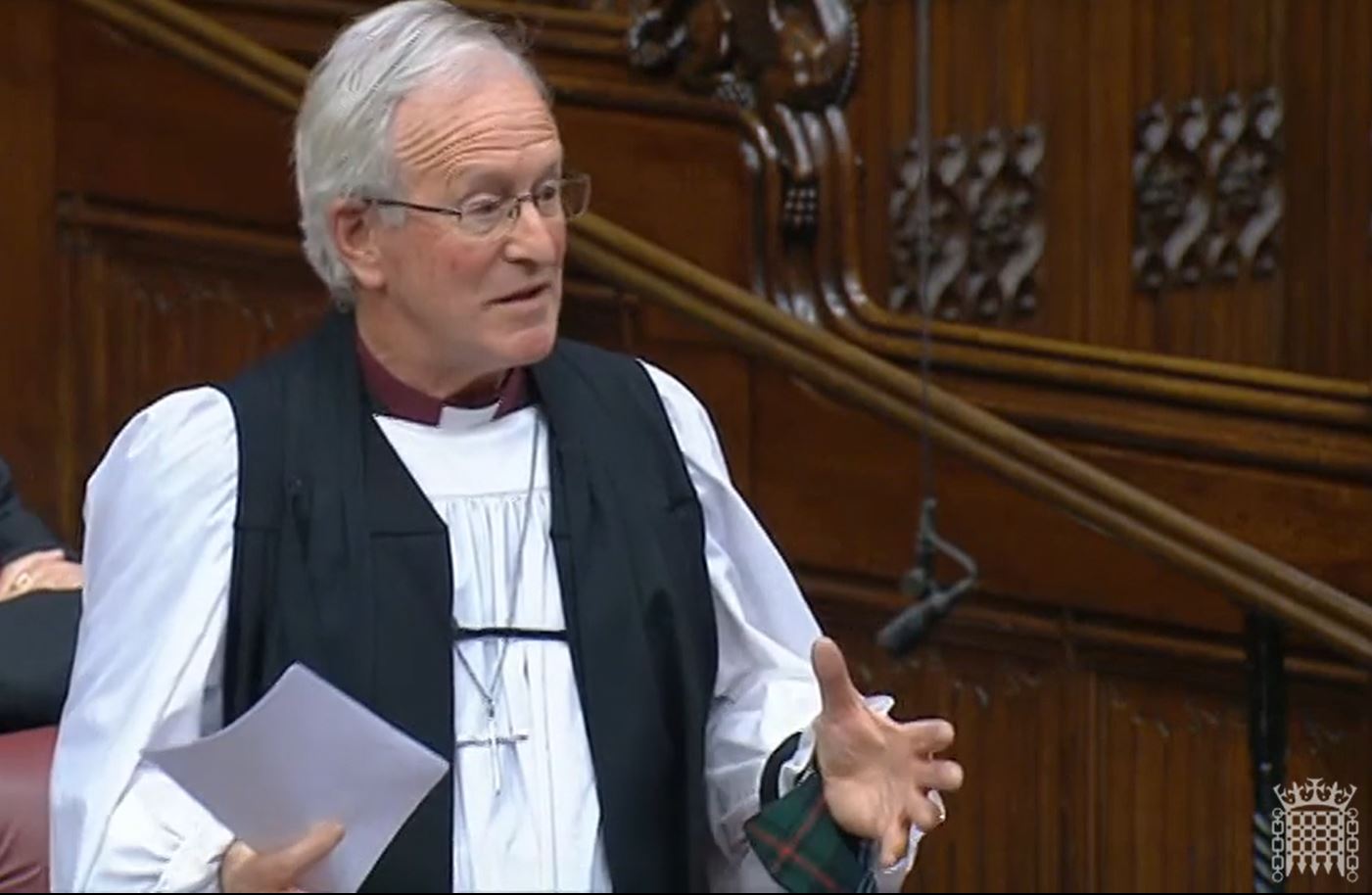
The Bishop of St Albans spoke in a debate on the role of social media in children’s deaths on 20th January 2023, drawing attention to the broadness of social factors contributing to children’s deaths:

The Lord Bishop of St Albans: My Lords, I too thank the noble Baroness, Lady Kidron, for securing this most important debate on the contributory role of social media to the deaths of children, and I pay tribute to her persistent campaigning on this subject. It is a timely debate given that only a month ago we received the legislative scrutiny committee’s report on the draft online harms Bill.

I want to focus on the whole question of the extent to which we understand the numbers and the causes of child deaths, not only where social media plays a significant role but in a whole range of other issues. This is a much broader problem than just this topic, although it is a superb example of why we need better research and better recording of data.

In December, your Lordships’ House debated the Second Reading of my Coroners (Determination of Suicide) Bill. It would require coroners to record any relevant contributory factors once a death by suicide has been officially determined. It would not be a finding in law, the results would be anonymised and published anonymously, and it would be akin to the well-established processes that hospitals have for recording comorbidities of death.

Continue reading “Bishop of St Albans takes part in debate on deaths caused by social media”

Health and Care Bill: Bishop of Birmingham supports strengthening services for children and young people

On 18th January 2022, the House of Lords debated the Health and Care Bill. The Bishop of Birmingham, on behalf of the Bishop of London, spoke in support of amendments aimed at strengthening public health services for children and young people:

The Lord Bishop of Birmingham: My Lords, on behalf of my right reverend friend the Bishop of London, who cannot be in her place today, I speak in support of Amendment 141, to which she has put her name, alongside all the amendments, which I too support, having listened to the discussion and read them carefully. They all aim to strengthen the services for children and young people. The Government should be congratulated on continuing in the NHS a long period—perhaps 20 to 30 years—of raising the profile of children and young people. The work of the clinical director should be noted, and the involvement of young people in the design of services, although we have already heard this morning that this could be increased.

Continue reading “Health and Care Bill: Bishop of Birmingham supports strengthening services for children and young people”

Police, Crime, Sentencing & Courts Bill: Bishop of Durham supports exclusion of children from changes to mandatory minimum sentences

On 10th November 2021, during a debate on amendments to the Police, Crime, Sentencing & Courts Bill, the Bishop of Durham, on behalf of the Bishop of Derby, spoke in support of an amendment tabled by Baroness Massey which would ensure that children would not be affected by the imposition of changes to mandatory minimum sentences under the bill:

The Lord Bishop of Durham: My Lords, I speak on behalf of the right reverend Prelate the Bishop of Derby on this occasion, who could not be here today. I add my support to Amendments 198, 199, 200 and 201, in the name of the noble Baroness, Lady Massey, which deal with tariff starting points or DHMP sentences as they relate to young people. The noble Baroness laid out well the case for amending Clause 104 so that it takes into account evidence on maturation. I will briefly add the right reverend Prelate the Bishop of Derby’s perspective as a Lord spiritual and as part of a team of Bishops focused on Her Majesty’s prisons, particularly young offender institutions. She also declares an interest as vice-chair of the Children’s Society.

Children ought to be treated as children, and we resist any erosion of that in law. If we are to argue to the contrary we must be content to go against the trajectory of every other arena of English law. Eighteen is soon to become the age at which people can legally marry, leave education and join the Armed Forces. I urge noble Lords to reflect on this. If we project from this that children are to be protected from making decisions about marriage, education and even enlisting in Her Majesty’s Armed Forces until they reach a maturation point of 18, then the same logic surely must continue to apply in this instance.

Continue reading “Police, Crime, Sentencing & Courts Bill: Bishop of Durham supports exclusion of children from changes to mandatory minimum sentences”

Armed Forces Bill: Bishop of St Albans supports raising age of enlistment to 18

On 8th November 2021, the House of Lords debated the Armed Forces Bill in committee. The Bishop of St Albans spoke in the debate, supporting an amendment tabled by Baroness Massey of Darwen which would raise the age of enlistment into the armed forces to 18:

The Lord Bishop of St Albans: My Lords, I rise to speak in support of Amendment 61 in the name of the noble Baroness, Lady Massey of Darwen, to which I have added my name. I have done so because of my concerns about the well-being of young people and because I am not convinced that there are sufficient benefits in allowing the enlistment of young people of 16 or 17 rather than 18. Evidence and personal experience tell me that there is not.

I speak because of the experience of a member of my own family, so I know a story inside out, but I have also spoken to a number of parents whose children were recruited under the age of 18—and I have heard some very similar stories those described by the noble Baroness, Lady Massey, in her speech. I have no doubt that, for some early leavers recruited below the age of 18, the mental damage can take years to recover from. These recruits have the legal status as children and are entitled in law under safeguarding legislation to be protected from harm as far as possible.

There are a number of other reasons why I question this policy. Younger recruits suffer from very high drop-out rates. Official statistics show that, once enlisted, 30% of the Army’s under-18 recruits leave or are dismissed before they finish their training. They can find themselves out of work and education within months of joining, and these discharged recruits are not tracked, so we cannot speculate on how they fare after they leave the military. That being said, it would not be unreasonable to say that, had the option of joining up not been available, they would have stayed in full-time education, taken an apprenticeship or worked part time while undertaking a qualification. We are talking about not some small, troubled minority who failed to adapt adequately to military service, but nearly a third of all junior recruits. That is affecting some 700 young people a year, according to the Child Rights International Network.

Continue reading “Armed Forces Bill: Bishop of St Albans supports raising age of enlistment to 18”

Police, Crime, Sentencing and Courts Bill: Bishop of Durham backs amendments to safeguard children involved in serious violence on behalf of the Bishop of Manchester

On 20th October 2021, during a debate on the Police, Crime, Sentencing and Courts Bill, the Bishop of Durham spoke in support of amendments intended to increase safeguarding efforts relating to children involved in serious violence, on behalf of the Bishop of Manchester:

The Lord Bishop of Durham: My Lords, the right reverend Prelate the Bishop of Manchester was in his place earlier but has had to go elsewhere for the evening. He has asked me to speak on his behalf on the amendments in this group tabled in his name alongside those of the noble Lord, Lord Rosser, and the noble Baroness, Lady Jones. I thank the Children’s Society and Barnardo’s for their support and helpful briefings.

The Church has a particular concern for vulnerable children. As far as the Church of England is concerned, there are 4,644 schools in which we educate around 1 million students. This educational commitment is combined with parish and youth worker activities that bring the Church into contact with thousands of families each year. Through the Clewer Initiative, many parishes and dioceses have worked closely on the issues of county lines and confronting the blight of modern slavery. Accordingly, we have seen at first hand and, sadly, all too frequently the terrible damage caused by serious youth violence and by the criminal exploitation of children. The latter is an especially insidious form of abuse, which one victim has described as “when someone you trusted makes you commit crime for their benefit”.

Continue reading “Police, Crime, Sentencing and Courts Bill: Bishop of Durham backs amendments to safeguard children involved in serious violence on behalf of the Bishop of Manchester”

Bishop of St Albans asks about child trust funds

The Bishop of St Albans asked a question on regulations surrounding child trust funds for children with learning disabilities on 22nd June 2021:

The Lord Bishop of St Albans: My Lords, may I press the Minister a little further? What plans do the Government have to work with the providers of child trust funds to develop a proactive strategy to advertise the need for parents of children with learning disabilities to apply to the Court of Protection in advance of the young adult’s child trust fund maturing? This is a really urgent matter, and we need the Government to be on the front foot.

Continue reading “Bishop of St Albans asks about child trust funds”

Bishop of Oxford asks about skill-building for young people post pandemic

The Bishop of Oxford asked a question on government efforts to help young people build skills and knowledge to ensure they are able to access careers following the COVID-19 pandemic on 16th June 2021:

The Lord Bishop of Oxford: My Lords, during their working lives this generation will face the full implications of not only the Covid pandemic but the fourth industrial revolution and the need to transform our economy to net zero. Young people will need to build meaningful careers, not simply survive from gig to gig. Can the Minister therefore explain where strategic thinking is happening and where policies interlock to provide the skills, employment safeguards and quality jobs, linked to national priorities, which young people will need?

Continue reading “Bishop of Oxford asks about skill-building for young people post pandemic”