
On 22nd October the Bishop of Oxford asked a question he had tabled to Government on the impact of Covid-19 on the gig economy. The exchanges and further questions from other Members, are below:
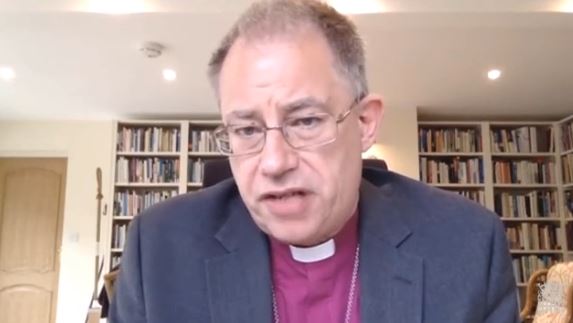 Asked by The Lord Bishop of Oxford
To ask Her Majesty’s Government what assessment they have made of the impact of the COVID-19 pandemic on the gig economy.
Baroness Penn (Con): My Lords, the Government have stood by businesses and workers with one of the most comprehensive and generous packages of support globally. We are working intensively with employers and industry groups to understand the long-term effects of Covid-19 and specific challenges to businesses and workers, including in the gig economy. Following announcements of further measures to control the spread of Covid-19, we are continuing to monitor the impact of government support in different sectors.
The Lord Bishop of Oxford [V]: I thank the Minister very much for her Answer. While the job coaches and extra provision made may improve the CVs and present conditions of those forced into the gig economy, they will do nothing to improve the security or the working conditions of those so precariously employed and poorly protected. Therefore, will the employment Bill provide a clearer definition of what counts as an employer-employee relationship? How will it stop platform employers retaining all of the profits while socialising essential costs such as sickness pay or a basic pension in old age? Continue reading “Bishop of Oxford asks Government about impact of covid-19 on the gig economy”
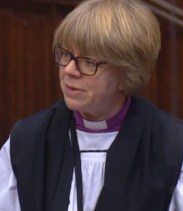 The Lord Bishop of London: My Lords, I declare my interests as stated in the register. The Church of England continues to provide excellent almshouses provision as a support to older people through its charities. There are over 30,000 almshouses in the UK and more than 1,000 new ones have been built in the last decade. Another 750 are in the pipeline, providing places of flourishing and support for the elderly. However, the complexities of the buildings themselves prohibit modern building standards being achieved. Will the Minister comment on whether Her Majesty’s Government will provide grants for local almshouse charities to upgrade their facilities within the complex planning frameworks associated with these buildings?
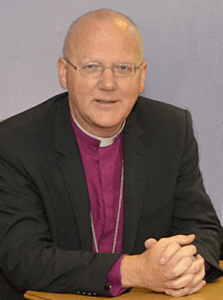 On 22nd October the Bishop of St Albans received a written answer to a question of Government on personal debt as a consequence of coronavirus:
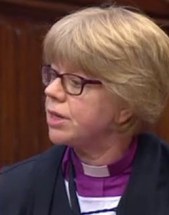 The Lord Bishop of London: My Lords, is the Minister aware that many hundreds of remand prisoners in London prisons are now held for much longer periods than before Covid while waiting for a trial date? Her Majesty’s Prison Pentonville alone has over 400 prisoners waiting for unprecedented periods—of over a year—for their cases to be heard. Can she assure your Lordships’ House that action is being taken to relieve this? If so, what action can we expect?
 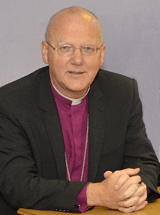 The Lord Bishop of St Albans: To ask Her Majesty’s Government what assessment they have made of the report by the Advertising Standards Agency, Trends in exposure to TV ads during COVID-19, published on 8 October; and what steps they are taking to reduce young people’s exposure to gambling adverts. [HL9068]
 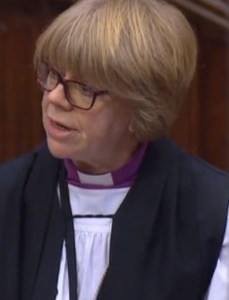 The Lord Bishop of London: My Lords, I am grateful to the Minister for the work that he and others are doing to make decisions at this very challenging time. The regulations we are debating relate to health protection restrictions and fines. However, I wonder whether our approach to public health protection and restrictions during the pandemic needs to pay more attention to a bottom-up approach of wisdom, rather than simply relying on top-down pragmatism and the push and pull of financial incentives. Last week, the right reverend Prelate the Bishop of Manchester highlighted how policies, such as fines, are out of touch with many. It has led to frustration and resentment nationwide.

You must be logged in to post a comment.