 On 25th and 28th March 2019 the Bishop of St Albans received answers to four written questions on Yemen: humanitarian aid, weapons, and peace:
The Lord Bishop of St Albans
(i) To ask Her Majesty’s Government what assessment they have made of access to humanitarian aid (1) entering, and (2) being distributed in Yemen. HL14603
(ii) To ask Her Majesty’s Government whether they have received any information from third parties about use of weapons supplied by British companies in the Yemen conflict. HL14604
(iii) To ask Her Majesty’s Government how much they spent funding (1) local peace actors, (2) aid partners, and (3) others involved in promoting a path to peace in the Yemen conflict. HL14602
(iv) To ask Her Majesty’s Government, following the visit to Aden by the Foreign Secretary, whether they have had any further discussion with the UN’s Group of Eminent Experts on Yemen and other local powers about finding a sustainable peace in that country; and if so, what agreements have been reached between the UK and others. HL14605
Continue reading “Bishop of St Albans asks about Yemen: humanitarian aid, weapons, and peace”

 This week in the House of Lords bishops spoke on Brexit and the problems of abuse targeted at MPs. They asked questions about children’ mental health services, special educational needs, gambling-related suicides, online gambling, religious freedom, Yemen, air pollution, youth services in rural areas, and the Honours system. In the House of Commons the Second Church Estates Commissioner answered questions from MPs on digital connectivity, the 25th anniversary of the ordination of women, Easter church attendance, and land ownership.
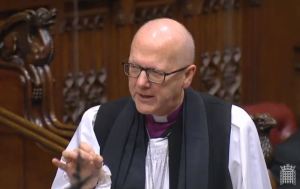 The Lord Bishop of St Albans: To ask Her Majesty’s Government what assessment they have made of the report State of Rural Services 2018, published by Rural England in February, and in particular of the impact of the closure of youth centres on young people; and what impact access to services has on young people’s engagement in risky behaviour compared to those living in urban areas.
  The Lord Bishop of Worcester: My Lords, the noble Baroness’s Question is about much more than meat. It was Lord Acton who wrote that religious freedoms are the foundation of political freedoms. Is it not true that the debate for which the noble Baroness is calling is very relevant, despite the record to which the Minister has drawn attention and of which we can be proud? Religious groups are feeling caught between the views of the majority in all sorts of situations and their own religious observance and conviction.
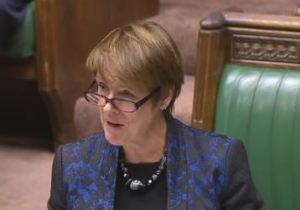 On 28th March 2019 the Second Church Estates Commissioner, Rt Hon Dame Caroline Spelman MP, answered questions from MPs on digital connectivity, the 25th anniversary of the ordination of women, and Easter church attendance.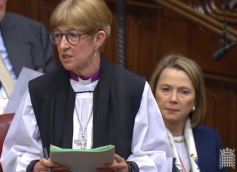
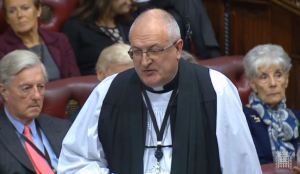 The Lord Bishop of Ely: My Lords, I understand that the purpose of the 2014 set of reforms was to ensure a holistic approach by health, education and social care services in the support of children with special needs and of their families. But when appeals take place, I understand that it is not uncommon for social care services to say that they do not know the child. Are the Government ensuring proactive co-operation between health, social care and education services in supporting such children and their parents?

You must be logged in to post a comment.