On 7th June 2018 Lord Scriven led a debate in the House of Lords on the motion ‘that this House takes note of the report of the Chief Inspector of Borders and Immigration, An Inspection of the Vulnerable Persons Resettlement Scheme.’ The Bishop of Carlisle, Rt Revd James Newcome, spoke in the debate:
 The Lord Bishop of Carlisle: My Lords, I thank the noble Lord, Lord Scriven, for securing this debate. I also extend my thanks to the inspectors for their helpful report. While I am about it, I thank the noble Lord, Lord Ramsbotham, for his kind words.
Most of all, I thank all those who have contributed to the good aspects of the vulnerable persons resettlement scheme thus far: Home Office officials, particularly the resettlement, asylum support and integration directorate; local authorities and devolved Administrations; refugee charities, and, not least, faith and community groups who have played their part in offering a very warm welcome. Expanding our resettlement offer from 750 people a year to the number under VPRS has required compassion, courage and not a small degree of competence. Continue reading “Bishop of Carlisle welcomes progress made under Syrian Vulnerable Persons Resettlement Scheme”

 The Lord Bishop of St Albans: My Lords, the reported atrocities against the Rohingya have been described as crimes against humanity, ethnic cleansing and genocide. What assessment have Her Majesty’s Government made as to whether the human rights violations in Kachin and Shan states meet the criteria of at least crimes against humanity and war crimes?
 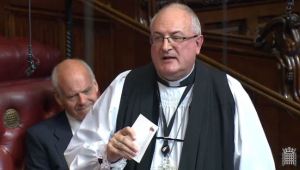 The Lord Bishop of Ely: My Lords, the Ministry of Justice has produced clear evidence that women’s centres are effective at reducing reoffending, provide joined-up community services to support physical and mental health needs and give more opportunities to women to have access to their children. What assessment does the Minister make of the need for increased funding to sustain and open more women’s centres?
  This week in the House of Lords bishops spoke in debates on Israel and Palestine, and refugee resettlement, and asked questions about SEN funding, leukaemia treatment, Burundi, and Forestry Commission land. In the House of Commons the Second Church Estates Commissioner answered questions on modern slavery, Middle East peace, Church of Scotland relations, LGBTQ community, bell ringing, Nigerian Christians, religious literacy, overseas orphanages, affordable housing, gay conversion therapy and the Pemberton tribunal case.
 The Lord Bishop of Chester: My Lords, in this immensely complex situation, I want to comment on three historic issues which affect contemporary circumstances. The first was what I will call a reaction of the indigenous Palestinian people 70 years ago not to accept the decision of the United Nations to support the establishment of a mainly Jewish state and a separate Palestinian state—we must remember that that was part of the 1947 resolution. It may be that it will not work, as the noble Lord, Lord Hain, said; it may not have been endorsed later, as the noble Lord, Lord Hylton, said, but that was the original plan, and not a later plan, to sort things out.
 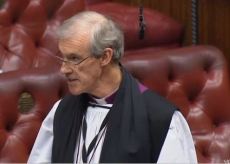 On 7th June 2018 Lord Forsyth of Drumlean asked Her Majesty’s Government “what plans they have to ensure that clinicians in England are able to treat chronic lymphocytic leukaemia by prescribing Ibrutinib in accordance with NICE guidelines.” The Bishop of Carlisle, Rt Revd James Newcome, asked a follow-up question: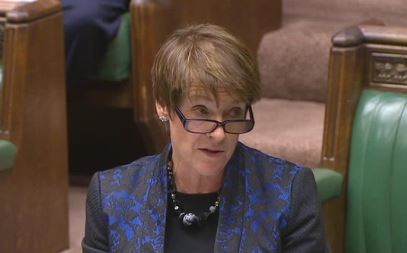
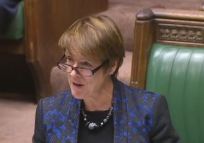 On 6th June 2018 the Second Church Estates Commissioner Dame Caroline Spelman MP answered a written question from Ben Bradshaw MP about legal costs in the Jeremy Pemberton tribunal case:

You must be logged in to post a comment.