On 8th December 2017 the Archbishop of Canterbury, Most Revd and Rt Hon Justin Welby, led a debate in the House of Lords, ‘That the House takes note of the role of education in building a flourishing and skilled society.’ The Bishop of Gloucester, Rt Revd Rachel Treweek, spoke in the debate and her speech is below. The Archbishop’s opening and closing speeches can be seen here.
 The Lord Bishop of Gloucester: I too thank the most reverend Primate for bringing forward today’s debate, and indeed for naming the recently established Church of England Foundation for Educational Leadership, of which I am privileged to be a trustee.
In my own diocese, I am delighted that we have 116 Church of England schools—not single-faith schools but centres of community cohesion in urban and rural areas, committed to offering each child the opportunity to discover life in all its fullness, as spoken about by Jesus Christ. The Church of England’s vision for education highlights the ideas of wisdom, hope, dignity and community, and we aim to make our schools places where fulfilling academic potential is not separated from our children’s spiritual, physical, emotional, moral and social development. Continue reading “Education debate – Bishop of Gloucester on early needs, children’s mental and physical health and self-esteem”
 The Lord Bishop of Ely: My Lords, as the lead Bishop for education in this House, I am grateful to my most reverend friend for the opportunity to address the crucial place of education in providing value and enabling every member of our society to contribute and flourish. We must continue to develop the curriculum to suit our developing industrial and commercial needs. This means that we must work to nurture and support our children and young people so that they may be employable on the grounds of their skills and their rich and steadfast character, and give them the support and foundations for good mental health that will be necessary throughout their lives, as we have already heard.
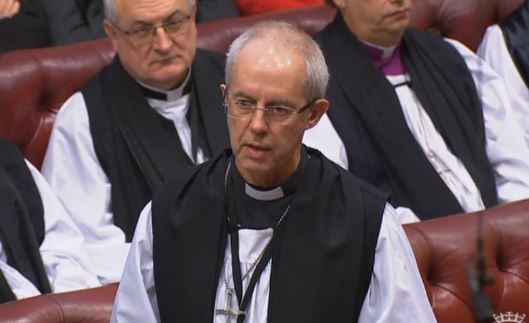 The Archbishop of Canterbury: My Lords, I am grateful to the usual channels for making time once again for me to lead a debate in your Lordships’ House. It is now something of a tradition for an Archbishop’s debate to be held in early December. Though a little later and less well established than the John Lewis advert, the appearance of an Archbishop on the order paper is a sure sign that Christmas is just around the comer.
 The Lord Bishop of Southwark: My Lords, I have come to your Lordships’ House today from Lambeth Palace, where I have been chairing the Zimbabwe round table. Also present at that meeting was the Bishop of Harare, the right reverend Dr Chad Gandiya, who is staying with me on his brief visit to this country. Yesterday Bishop Chad met with Rory Stewart, the Africa Minister. My conversations with Bishop Chad have further informed my own thinking on Zimbabwe—a country with which I have a long association, particularly through close links between my diocese and four of the five Anglican dioceses in Zimbabwe.
 The Lord Bishop of St Albans: My Lords, we have heard a great deal about urban areas in cities and the capital, but what about rural areas? What are Her Majesty’s Government doing to address the issue of homelessness in the countryside, where there has been a 52% increase in rough sleeping in our rural areas?
 The Second Church Estates Commissioner (Dame Caroline Spelman): I have had many recent discussions with Departments, particularly the Home Office, not least because of my Registration of Marriage (No. 2) Bill, which is in train. There is an identical Bill before the House of Lords that would achieve the same purpose of allowing mothers to sign marriage certificates. I am not precious about which Bill gets to the finishing line first—we just need to do it.
 The Lord Bishop of Coventry:
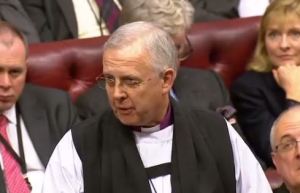 The Lord Bishop of Peterborough: My Lords, from these Benches I very much welcome the Statement and the sentiments in it, particularly its focus on the direct victims. However, there are also indirect victims of such attacks—those who are made to feel more afraid simply to go about their daily lives. That includes a lot of people, not least many in our Muslim communities. Does the noble Earl agree that, as a result of these attacks, it is very important to do all we can to increase the feeling of safety among those in Muslim communities, seeing them not just as people who must be targeted for information but as people who are part of our wider community and whom we must cherish and care for, helping them to feel safe and welcome? This includes not just community policing but many other areas of work with them, and it includes a very strong focus on dealing with right-wing extremism, which would threaten those communities.
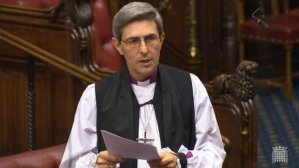 The Lord Bishop of Winchester: My Lords, housing is a key factor in evaluating poverty. In the county of Hampshire alone, over 20,000 people are on council-house waiting lists, with over 4,000 of them in the New Forest. Given that the Government have recently announced significant new funding for new housebuilding and new affordable homes, can the Minister give us a clear indication of the expected spending on homes for social rent in rural areas?


You must be logged in to post a comment.