On 18th March 2026, the House of Lords debated the Crime and Policing Bill, including amendments on protest, terrorism, and abortion. Bishops took part on votes on several amendments:

Legislation before Parliament
On 18th March 2026, the House of Lords debated the Crime and Policing Bill, including amendments on protest, terrorism, and abortion. Bishops took part on votes on several amendments:
On 16th March 2026, the House of Lords debated the Pension Schemes Bill. Votes were held on amendments to the bill, in which a Bishop took part:
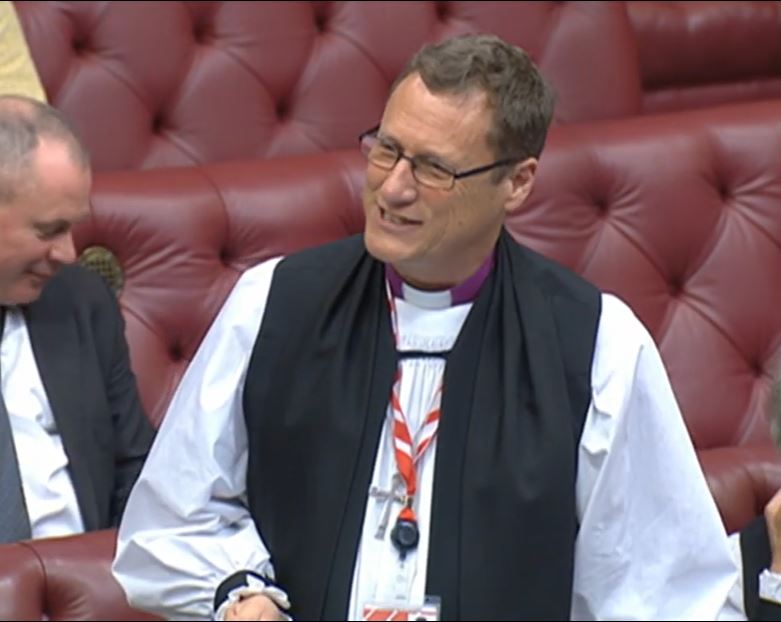
The Bishop of Leicester spoke at the second reading of the Universal Credit (Removal of Two Child Limit) Bill on 12th March 2026, welcoming the bill and criticising the impact of the two child limit on poverty and the associated sense of shame those engaging with the welfare system are made to feel:
The Lord Bishop of Leicester: My Lords, I warmly welcome the introduction of the Bill and the opportunity today to comment on it. I congratulate the noble Baroness, Lady Teather, on her truly excellent maiden speech, and I look forward to the maiden contributions of the noble Baroness, Lady Antrobus, and the noble Lord, Lord Walker, as well as of other noble Lords.
I count myself very fortunate to have never experienced true poverty myself, but I have spent much of my working life living in communities where poverty was very real—both the absolute poverty of one of the poorest nations in Africa, where I worked for several years, and the relative poverty of inner-city Sheffield, where I was vicar for a decade before becoming Bishop of Leicester.
Continue reading “Universal Credit (Removal of Two Child Limit) Bill: Bishop of Leicester welcomes legislation”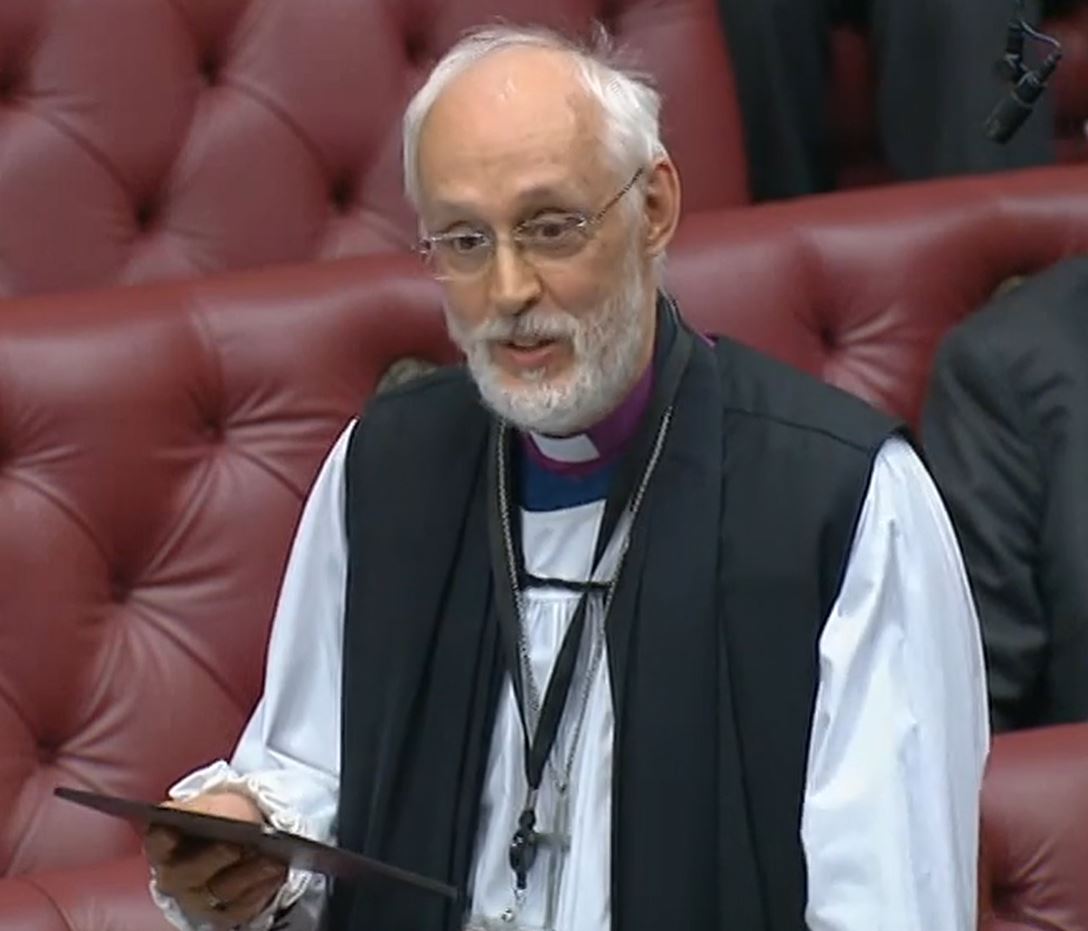
On 11th March 2026, the Bishop of Manchester spoke during a debate on an amendment to the Crime and Policing Bill tabled by Lord Davies of Gower which “would prevent the Independent Office for Police Conduct from investigating an officer where that officer has already been investigated and acquitted in court for the same conduct matter,”, opposing the amendment and stressing the need for accountability in civil proceedings:
The Lord Bishop of Manchester: My Lords, can I add my two-penn’orth to this? I declare my interest as the co-chair of the national police ethics committee, but I am speaking more as a serving Bishop. I have to hear disciplinary complaints against clergy. Sometimes those clergy have committed something which is being investigated first by the police. To answer the point from the noble Lord, Lord Hogan-Howe, often the police tell us, “We don’t want you interfering until we have finished”. If the result of the criminal proceeding is that the person is convicted, I can then do quite a summary process in terms of applying a penalty or perhaps depriving that member of the clergy from serving in their parish, perhaps banning them from ministry for a time or for life. But all of that is very much on that balance of probabilities, on the civil standard. It is very different from the criminal standard.
Continue reading “Crime and Policing Bill: Bishop of Manchester supports amendments on civil accountability”On 11th March 2026, the House of Lords debated the Crime and Policing Bill. Votes were held on amendments to the bill, in which a Bishop took part:
On 10th March 2026, the House of Lords debated the Victims and Courts Bill. Votes were held on amendments to the bill, in which a Bishop took part:
During a debate on the Crime and Policing Bill on 9th March 2026, the Bishop of Norwich spoke in support of an amendment aimed at broadening the protections provided to war memorials under the provisions of the bill:
The Lord Bishop of Norwich: My Lords, I support Amendment 370 in the names of the noble Lords, Lord Parkinson of Whitley Bay and Lord Blencathra. Across this nation, war memorials, often raised by public subscription of pennies here and tuppences there, stand to hold memories of those who gave their lives—sons and daughters, brothers and sisters, cousins and parents. They are carved in stone, metal, wood or marble. The Whipsnade Tree Cathedral in Bedfordshire is a living memorial planted by Edmond Blyth, a World War I veteran, to commemorate his friends who were lost. They are physical embodiments of sacrifice, courage and collective memory, often within the curtilage of parish churches, each name both precious to someone and precious in the sight of God—ordinary people called to do the most extraordinary things in very challenging times. When they are damaged, it is a hit in the stomach for the whole of that community. It damages how we build our life together.
Continue reading “Crime and Policing Bill: Bishop of Norwich supports amendment on protecting war memorials”On 9th March 2026, the House of Lords debated the Crime and Policing Bill. Votes were held on amendments to the bill, in which a Bishop took part:
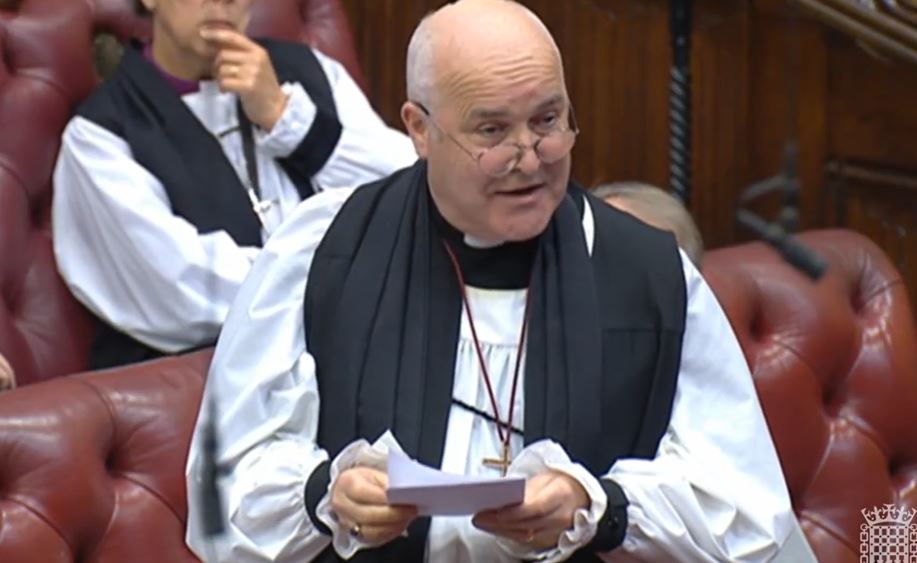
The Archbishop of York asked a question during a debate on the Terminally Ill Adults (End of Life) Bill, querying the impact the bill would have on coercion of vulnerable people, particularly those struggling to access palliative care, on 27th February 2026:
The Lord Archbishop of York: I entirely accept that those who are proposing the Bill do not propose it for the reason of trying to save money. I also entirely accept the desire from everyone in this House for better-funded palliative care. However, I need something to be explained. Taken that palliative care is inadequate and underfunded, and taken that there are huge regional variations, what I do not understand is the noble and learned Lord’s confidence that this will not lead to coercion of vulnerable people in places where palliative care is not available and cannot be afforded, which will lead to unintended consequences. I entirely accept that he does not want those consequences either, but I ask him to give me some confidence, if he can, that this will not follow.
Continue reading “Terminally Ill Adults (End of Life) Bill: Archbishop of York raises potential adverse impact on vulnerable groups”On 24th February 2026, the House of Lords debated the Tobacco and Vapes Bill. Votes were held on amendments to the bill, in which a Bishop took part:
 The Church of England in Parliament
You must be logged in to post a comment.