On 26th March 2026, the House of Lords debated the English Devolution and Community Empowerment Bill. Votes were held on amendments to the bill, in which a Bishop took part:

Legislation before Parliament
On 26th March 2026, the House of Lords debated the English Devolution and Community Empowerment Bill. Votes were held on amendments to the bill, in which a Bishop took part:
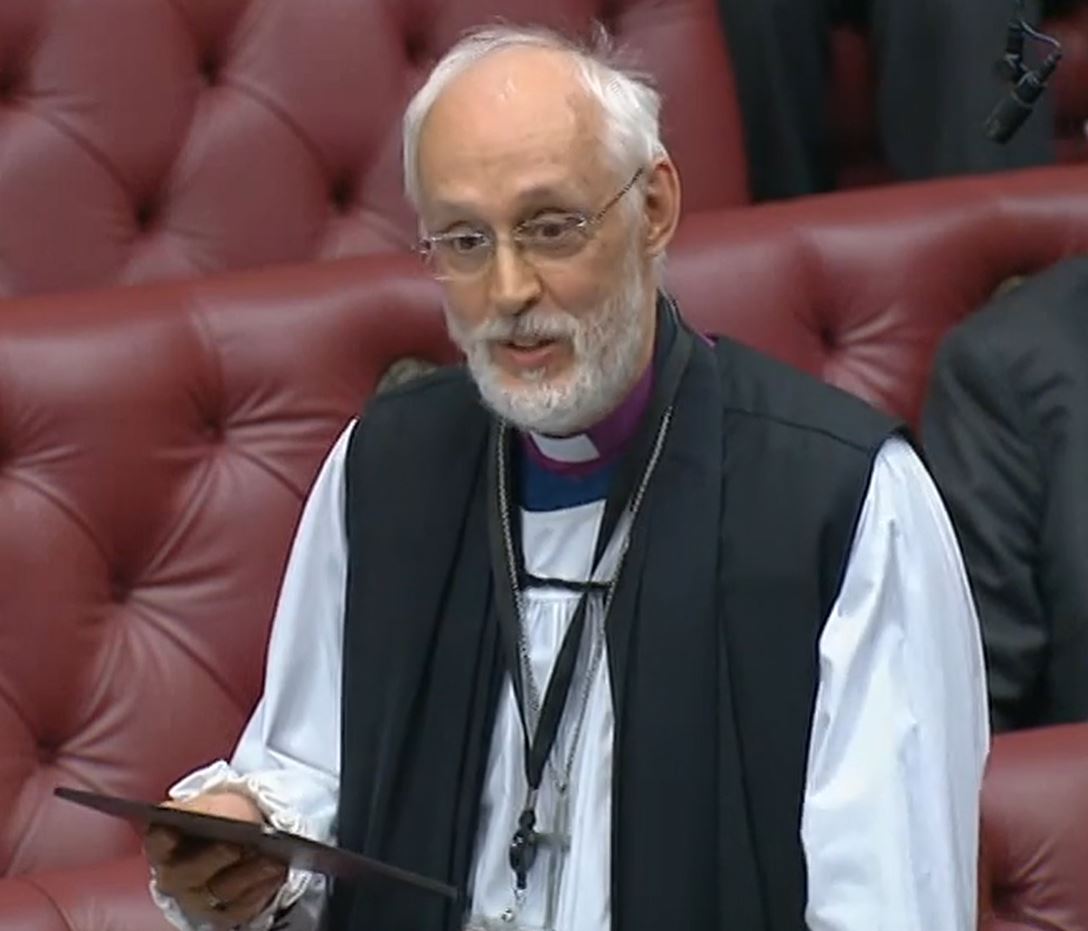
The Bishop of Manchester spoke in support of amendments on the topic of community rights during a debate on the English Devolution and Community Empowerment Bill on 26th March 2026:
The Lord Bishop of Manchester: My Lords, I think I have been cued in. I will speak to my Amendment 318A as—yes, still—the Bishop of Manchester. There is a vacancy in London, but I think I am too old to be considered.
Over the last 18 months, I have been chairing the Manchester Social Housing Commission. Central to our work has been the contributions that local residents and communities representing their neighbourhoods make to our thinking and, eventually, our recommendations. We have seen how empowered communities make a real difference. They are the people who know what it is like to live where they do. They can shape local services for the best results.
Far from being a problem for authorities to manage, communities continually demonstrate how they respond to the cost of living crisis or the epidemic of loneliness. People in communities are vital in driving their own solutions. As I go around my diocese, I see again and again how local people taking the initiative really make a difference.
Continue reading “English Devolution and Community Empowerment Bill”On 24th March 2026, the House of Lords debated the English Devolution and Community Empowerment Bill. Votes were held on amendments to the bill, in which a Bishop took part:
On 23rd March 2026, the House of Lords debated amendments to the Pension Schemes Bill, and a Bishop took part in votes on these amendments:

On 20th March 2026, during a debate on the Terminally Ill Adults (End of Life) Bill, the Bishop of Southwark spoke in support of amendments to the bill focused on providing protection for those with speech, language, and communication difficulties:
The Lord Bishop of Southwark: My Lords, I support the amendments in this group, particularly Amendment 171 in the names of the noble Baronesses, Lady Nicholson of Winterbourne and Lady O’Loan.
Clause 5, as we have heard, introduces a key element in the infrastructure of assisted dying in this Bill by providing what is intended to be a safe, but not mandatory, introduction to the subject of death with the assistance of another human being. For proponents of the Bill, the advantages of such an introduction are obvious. In their minds, it will remove a good deal of unnecessary distress on the part of those who wish to proceed with such an option and on the part of those who do not. However, as we have heard from those of us who have long experience of pastoral encounters, the experience is likely to be rife with pitfalls.
Continue reading “Terminally Ill Adults (End of Life) Bill: Bishop of Southwark supports amendments on protection of those with communication difficulties”On 19th March 2026, the House of Lords debated the Pension Schemes Bill. Votes were held on amendments to the bill, in which Bishops took part:
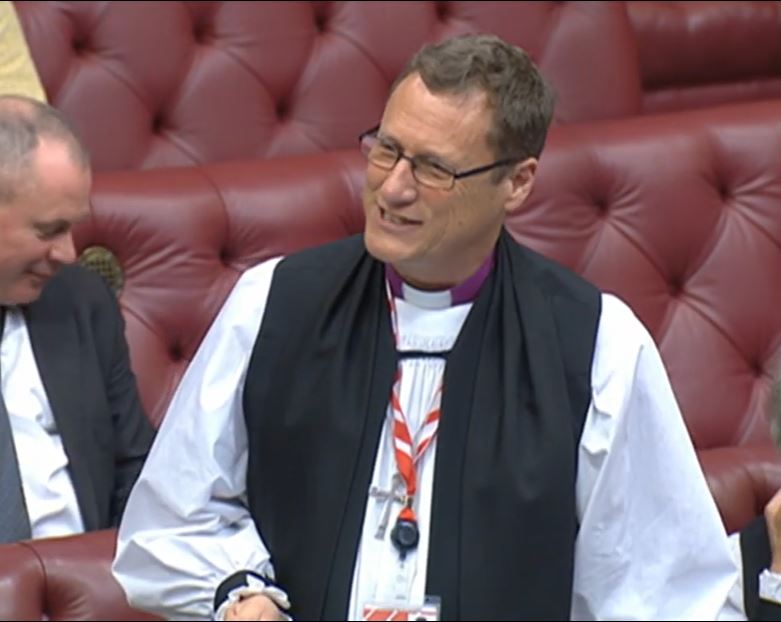
During a debate on the Crime and Policing Bill on 18th March 2026, The Bishop of Leicester spoke in support of his amendment 426D, which would seek “to ensure that a pregnant woman or girl under 18 years old would need to have an in-person consultation before they could be prescribed drugs to end a pregnancy, so that potential safeguarding needs are identified.”
The Lord Bishop of Leicester: My Lords, I shall speak to the amendment in my name, Amendment 426D. I start by thanking the Minister for meeting me a couple of weeks ago to discuss this matter—and I want to be direct at the outset about what the amendment would do and would not do.
The amendment is distinct from Amendment 425, which stands on its own merits, and which your Lordships will consider on its own terms. This amendment says nothing about adult women’s access to abortion, nothing about where medication is taken and nothing about the broader questions that have been part of our debate up till now. It rests entirely on one safeguarding principle—that when a child is the patient, a professional should meet her before prescribing. I believe that that is something that your Lordships can support, regardless of the views that you hold on everything else before the House today.
Continue reading “Crime and Policing: Bishop of Leicester tables amendment on access to abortion services for under-18s”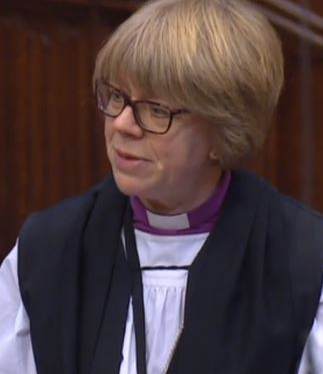
The Archbishop of Canterbury spoke during a debate on the proposed clause 208 of the Crime and Policing Bill on 18th March 2026, which would seek “to add the requirement of DPP consent for the institution of the criminal proceedings in Clause 208 against a woman acting in relation to her own pregnancy and reduces the limitation period for the offence,”, opposing the clause and supporting amendments on the safeguarding of under-18s accessing abortion services:
The Lord Archbishop of Canterbury: My Lords, many noble Lords will know that the Church of England’s view on abortion is one of principled opposition, recognising that there can be limited conditions under which abortion may be preferable to any available alternatives. This is based on the belief of the infinite worth and value of every human life, however old or young, and including life not yet born. The infinite value of human life is a fundamental Christian principle that underpins much of our legal system and has shaped existing laws on abortion. All life is precious. We therefore need to recognise that women confronted with the very complex and difficult decision to terminate a pregnancy deserve our utmost understanding, care and practical support as they face what is often a heart-wrenching decision.
However, I cannot support Clause 208. Though its intention may not be to change the 24-week abortion limit, it undoubtedly risks eroding the safeguards and enforcement of those legal limits and, inadvertently, undermining the value of human life.
Continue reading “Crime and Policing Bill: Archbishop of Canterbury speaks in debate on abortion law”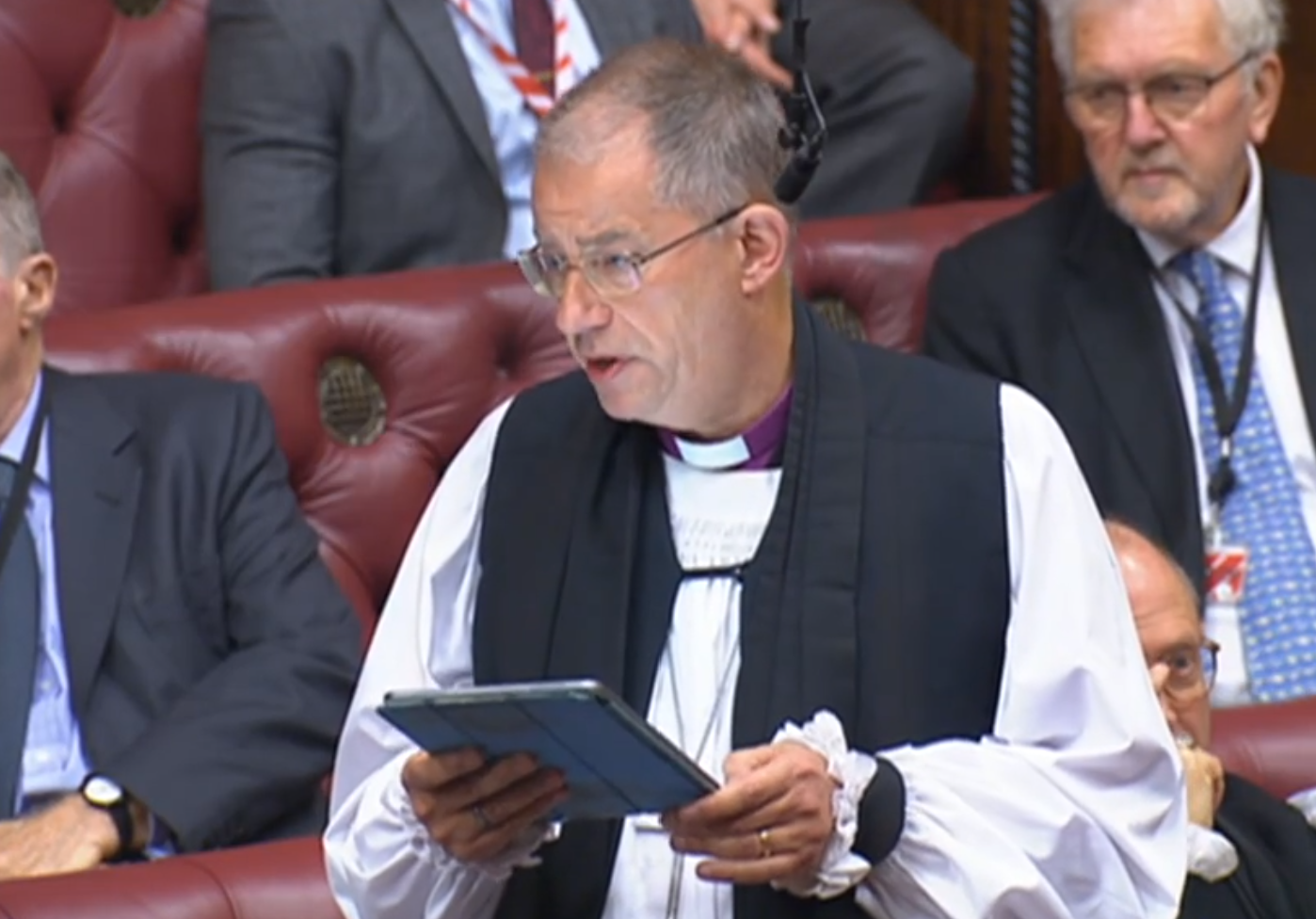
The Bishop of Oxford spoke in support of amendments to the Crime and Policing Bill tabled by Baroness Kidron on regulation of chatbots and the need for safety infrastructure in technology:
The Lord Bishop of Oxford: My Lords, I also support the amendments in the name of the noble Baroness, Lady Kidron, and others, and thank them all most warmly. They seem to me appropriately comprehensive and detailed. I have been following the developments in chatbots for a year now: they are massive, they are rapid, they are driven by the pursuit of profit and shareholder value, and not by the welfare of individuals, whether adults or children. There is a tsunami of harm coming towards us, affecting not only the most vulnerable but the whole of our society. We urgently need this kind of regulation and risk assessment for chatbots.
Continue reading “Crime and Policing Bill: Bishop of Oxford supports amendments on tech safety”On 18th March 2026, the House of Lords debated the Crime and Policing Bill, including amendments on protest, terrorism, and abortion. Bishops took part on votes on several amendments:


You must be logged in to post a comment.