Levelling Up and Regeneration Bill: Bishop of Leeds supports new definition for affordable homes

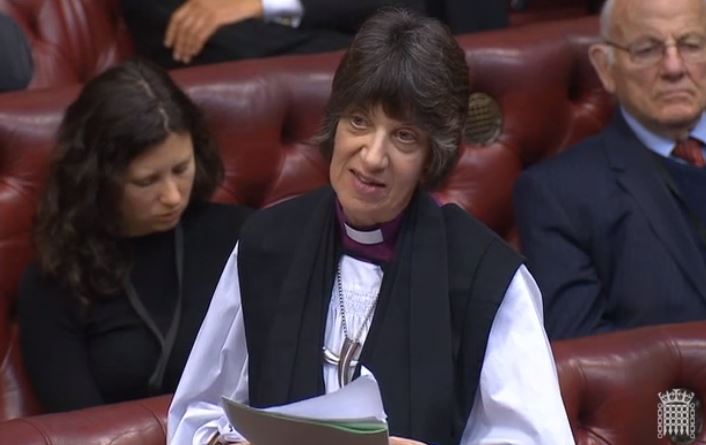
On 20th April 2023, the House of Lords debated amendments to the Levelling Up and Regeneration Bill. The Bishop of Leeds spoke in favour of an amendment that would tie the definition of “affordable homes” to median income:

The Lord Bishop of Leeds: My Lords, I shall speak in support of Amendment 242 in the name of the noble Lord, Lord Stunell. I do so having consulted the Bishop of Chelmsford, who leads for the Church of England on housing but is unable to be here today. It is clear, I think, that we need to rethink what genuinely affordable housing is and how an adequate supply can be delivered. In London, the south-east and many other areas across the country, the current affordable housing for rent definition of 20% below market rates makes little difference to those on a median income, let alone those in most need. Without redefinition, we will continue to work under the illusion that homes classed as affordable are helping to solve the housing affordability crisis, when for the most part they are not.

Of course, we need a multifaceted approach to solve the lack of affordable homes. I was interested to learn from the Bishop of Chelmsford that Vicky Ford MP has been addressing this in relation to Chelmsford. During her 10-minute rule Bill debate on 22 February, she spoke to the shortage of affordable housing we face locally and nationally. Her Affordable Housing (Conversion of Commercial Property) Bill would apply affordable housing obligations to conversions of commercial property to residential occupancy. The Bill is due its Second Reading in the Commons on 26 May, and we certainly hope that it will make some progress.

Continue reading “Levelling Up and Regeneration Bill: Bishop of Leeds supports new definition for affordable homes”

Bishop of Oxford and Bishop of Leeds support statements of purpose for Online Safety Bill

On 19th April 2023, the House of Lords debated the Online Safety Bill in its first day of the committee stage. The Bishop of Oxford and the Bishop of Leeds each spoke in support of an amendment to the bill tabled by Lord Stevenson of Balmacara, setting out seven main purposes of the bill:

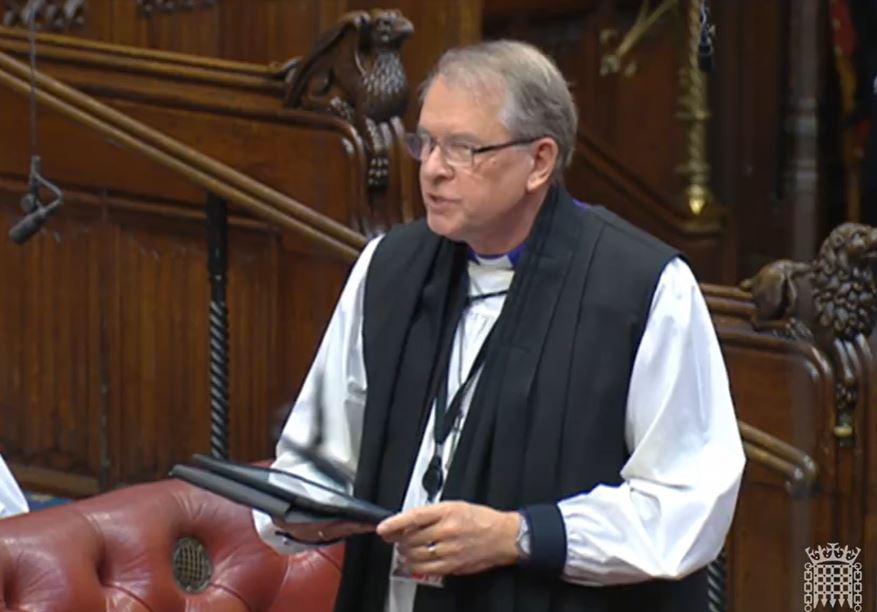
The Lord Bishop of Oxford: My Lords, it is a pleasure to follow other noble Lords who have spoken. I too support this key first amendment. Clarity of purpose is essential in any endeavour. The amendment overall sets out the Bill’s aims and enhances what will be vital legislation for the world, I hope, as well as for the United Kingdom. The Government have the very welcome ambition of making Britain the safest country in the world to go online. The OSB is a giant step in that direction.

As has been said, there has been remarkable consensus across the Committee on what further measures may still be needed to improve the Bill and on this first amendment, setting out these seven key purposes. Noble Lords may be aware that in the Christian tradition the number seven is significant: in the medieval period the Church taught the dangers of the seven deadly sins, the merits of the seven virtues and the seven acts of mercy. Please speak to me later if a refresher course is needed.

Amendment 1 identifies seven deadly dangers—I think they are really deadly. They are key risks which we all acknowledge are unwelcome and destructive companions of the new technologies which bring so many benefits: risks to public health or national security; the risk of serious harm to children; the risk of new developments and technologies not currently in scope; the disproportionate risk to those who manifest one or more protected characteristics; risks that occur through poor design; risks to freedom of expression and privacy; and risks that come with low transparency and low accountability. Safety and security are surely one of the primary duties of government, especially the safety and security of children and the vulnerable. There is much that is good and helpful in new technology but much that can be oppressive and destructive. These seven risks are real and present dangers. The Bill is needed because of actual and devastating harm caused to people and communities.

Continue reading “Bishop of Oxford and Bishop of Leeds support statements of purpose for Online Safety Bill”

Levelling Up & Regeneration Bill: Bishop of St Edmundsbury and Ipswich supports development of housing for older people

On 18th April 2023, the Bishop of St Edmundsbury and Ipswich spoke in support of amendments to the Levelling Up and Regeneration Bill regarding the importance of housing for older people:

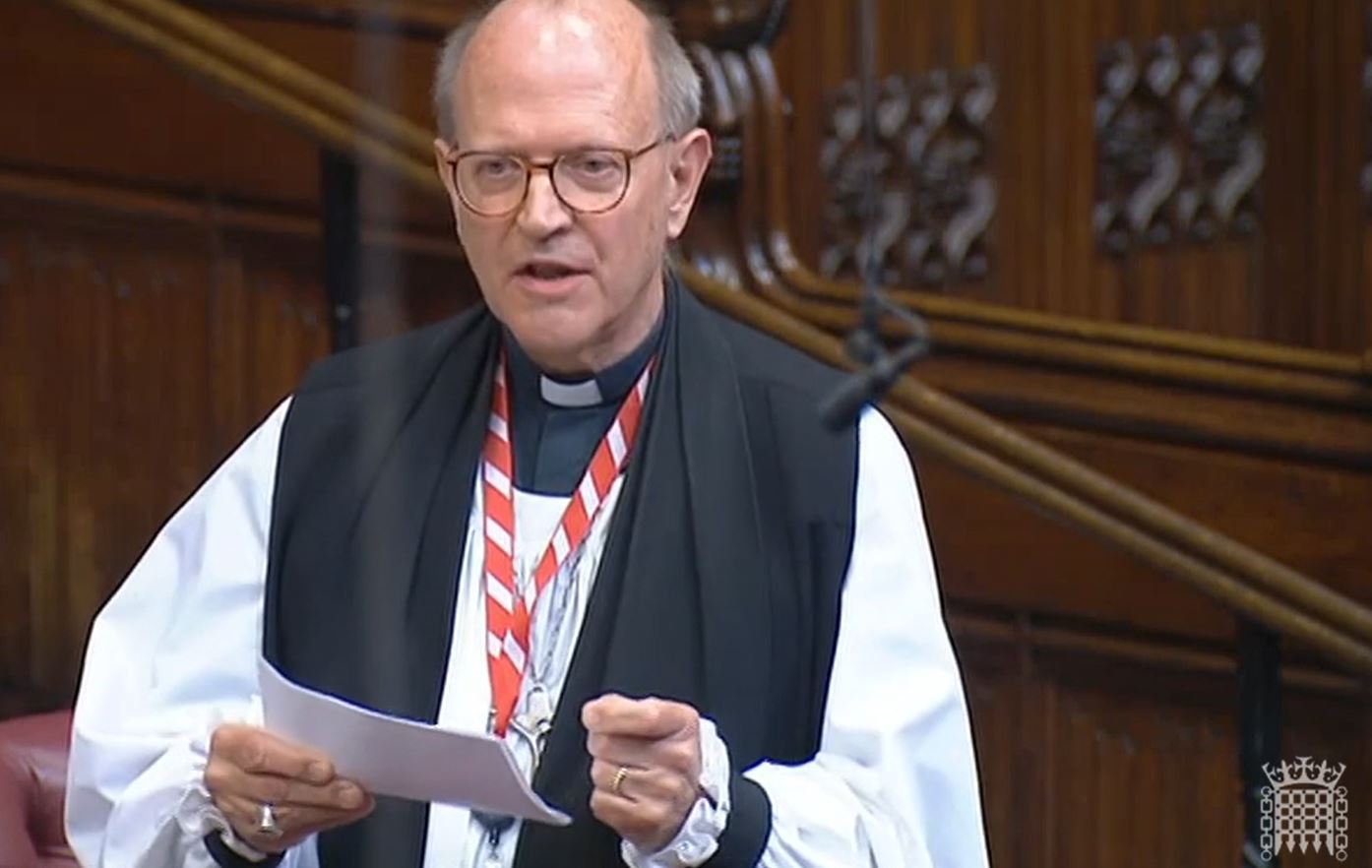
The Lord Bishop of St Edmundsbury and Ipswich: I shall speak very briefly in support of the group of amendments, on none of which would I dare wish to claim to be an agnostic. I particularly support Amendment 207 proposed by the noble Lord, Lord Best, to which my colleague the right reverend Prelate the Bishop of Chelmsford has added her name. The amendment addresses the important role of local authorities to consider older groups’ housing needs when developing local plans. Together with Amendment 221 from the noble Lord, Lord Best, these changes to the Bill would deliver a more effective response to the shortfall in appropriate housing for older people at all levels of government.

Continue reading “Levelling Up & Regeneration Bill: Bishop of St Edmundsbury and Ipswich supports development of housing for older people”

Levelling Up and Regeneration Bill: Bishop of St Edmundsbury and Ipswich supports amendments aimed at reducing carbon emissions

On 18th April 2023, the House of Lords debated the Levelling Up and Regeneration Bill in committee. The Bishop of St Edmundsbury and Ipswich spoke in support of amendments to the bill that would ensure planning decisions by local authorities and other conducive to reducing carbon emissions:

The Lord Bishop of St Edmundsbury & Ipswich: My Lords, I speak in general support of this group of amendments. I agree with those who have said that they are both crucial and urgent. Specifically, I speak in support of Amendment 309 in the name of the noble Lord, Lord Teverson. I will take a leaf out of the book of the noble Baroness, Lady Young, in that, despite the points I will make having been made, I will barrel on regardless. I will not, necessarily, reflect on what my dying words might be.

Continue reading “Levelling Up and Regeneration Bill: Bishop of St Edmundsbury and Ipswich supports amendments aimed at reducing carbon emissions”

Votes: Energy Bill [HL]

On 17th April 2023, the House of Lords debated the Energy Bill in the second day of the report stage. Votes were held on amendments to the bill, in which bishops took part:

Continue reading “Votes: Energy Bill [HL]”

Votes: Energy Bill

On 28th March the House of Lords debated the Energy Bill (HL) in the first day of the report stage. A vote was held on an amendment to the bill, in which bishops took part:

Continue reading “Votes: Energy Bill”

Votes: Public Order Bill

On 28th March 2023, the House of Lords debated Commons Amendments to the Public Order Bill. A vote was held on further amendments, in which bishops took part:

Continue reading “Votes: Public Order Bill”

Public Order Bill: Bishop of Manchester supports conditions on stop and search powers

On 28th March 2023, the Bishop of Manchester spoke in support of an amendment to the Public Order Bill tabled by Lord Coaker, which would seek to place conditions on how suspicion-less stop and search powers are used by police:

The Lord Bishop of Manchester: My Lords, I declare my interest as co-chair of the national police ethics committee, but obviously I am not speaking on behalf of it today. I had hoped not to have to speak at all this afternoon but after the contributions of other noble Lords I feel I must say a few words.

Continue reading “Public Order Bill: Bishop of Manchester supports conditions on stop and search powers”

Levelling up and Regeneration Bill: Bishop of Derby supports amendments on housing planning

On 27th March 2023 the House of Lords debated the Levelling Up and Regeneration Bill in the 8th day of the committee stage. The Bishop of Derby spoke in favour of amendments to the bill that would ensure health and wellbeing of residents is taken into account in housing planning:

The Lord Bishop of Derby: My Lords, I am glad that today we have the opportunity to consider the health and well-being dimensions of planning. It is my view that development planning cannot be truly successful if it does not also enhance health and well-being. I speak first in favour of Amendment 188 and Amendments 394 to 399 from the noble Lord, Lord Crisp. The right reverend Prelates the Lord Bishop of London, the Lord Bishop of Chelmsford, the Lord Bishop of Manchester and the Lord Bishop of Carlisle, who have previously spoken on these issues, regret they cannot be in their place today. However, I have no doubt they would want to give their support to these amendments were they in the Chamber.

I am sure noble Lords will recall stories of what can happen when living conditions deteriorate. Awaab Ishak’s death in December 2020 from a respiratory condition caused by “extensive mould” was an incredibly tragic story, as was that of Ella Adoo-Kissi-Debrah’s death, partly caused by toxic air near where she lived. It is welcome that the Government are working to deliver Awaab’s Law through the Social Housing (Regulation) Bill and that Ella’s Law, the Clean Air (Human Rights) Bill, continues its journey through Parliament in the other place.

Continue reading “Levelling up and Regeneration Bill: Bishop of Derby supports amendments on housing planning”

Universal Credit (Removal of Two Child Limit) Bill: Bishop of Durham moves to pass bill

On 24th March 2023, the Bishop of Durham moved that his Universal Credit (Removal of Two Child Limit) Bill should pass through the House of Lords in its third reading. The Bill was approved and passed to the House of Commons.

Motion

Moved by

The Lord Bishop of Durham: That the Bill do now pass.

My Lords, I request your Lordships’ patience for a few minutes as I make a few remarks. I express my deep gratitude to all those who have supported this Private Member’s Bill and the effort to remove the two-child limit. I thank those across all Benches who have contributed during the passage of the Bill. I particularly thank the noble Baroness, Lady Stedman-Scott, who, for much of the time I sought to highlight the wrong of the two-child limit, was the Minister who had to respond. She was always willing to engage and debate with me. We did not reach agreement, but I publicly thank her for the way that she worked with me.

I recognise particularly the work of the Child Poverty Action Group, the Joseph Rowntree Foundation, the North East Child Poverty Commission, and their staff, who have provided valuable support and encouragement throughout this process. I publicly thank my two parliamentary assistants who have worked with me on the Bill, Emily King and Becky Plummer. They have been superb. I also thank Kim Johnson MP, who has agreed to take the Bill forward in the other place, and many other MPs who have already promised their support.

Continue reading “Universal Credit (Removal of Two Child Limit) Bill: Bishop of Durham moves to pass bill”