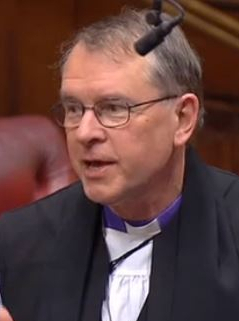
Bishop of Durham speaks in debate on the Schools Bill

On 23rd May 2022, the House of Lords debated the Schools Bill in its second reading. The Bishop of Durham spoke in the debate with regards to faith schools, teachers, and other points in the bill. The Bill was committed to a committee of the whole house.

The Lord Bishop of Durham: My Lords, I declare my specific interest as chair of the National Society. Noble Lords will know that the Church of England started mass education for the poor in England in 1811 through the work of the National Society. We built thousands of schools which have been at the heart of our commitment to the common good ever since. The state joined in this educational endeavour 50 years later. A strong mutual relationship developed, culminating in the dual system settlement in the 1944 Education Act.

Since a Labour Government introduced academies in the early 2000s, that system has been evolving but bringing complexity and fragmentation. Free schools added to this. Academies started as an innovation to bring fresh approaches to improve outcomes, especially for children in the most disadvantaged areas. There has been much success, although not in every case. Academies are now the predominant school type. As the system moves towards all schools being academies in a strong trust, it is right that we give detailed attention to ensure that academies are placed within a firm legislative context rather than rely on the largely contractual nature of the present arrangements.

Continue reading “Bishop of Durham speaks in debate on the Schools Bill”
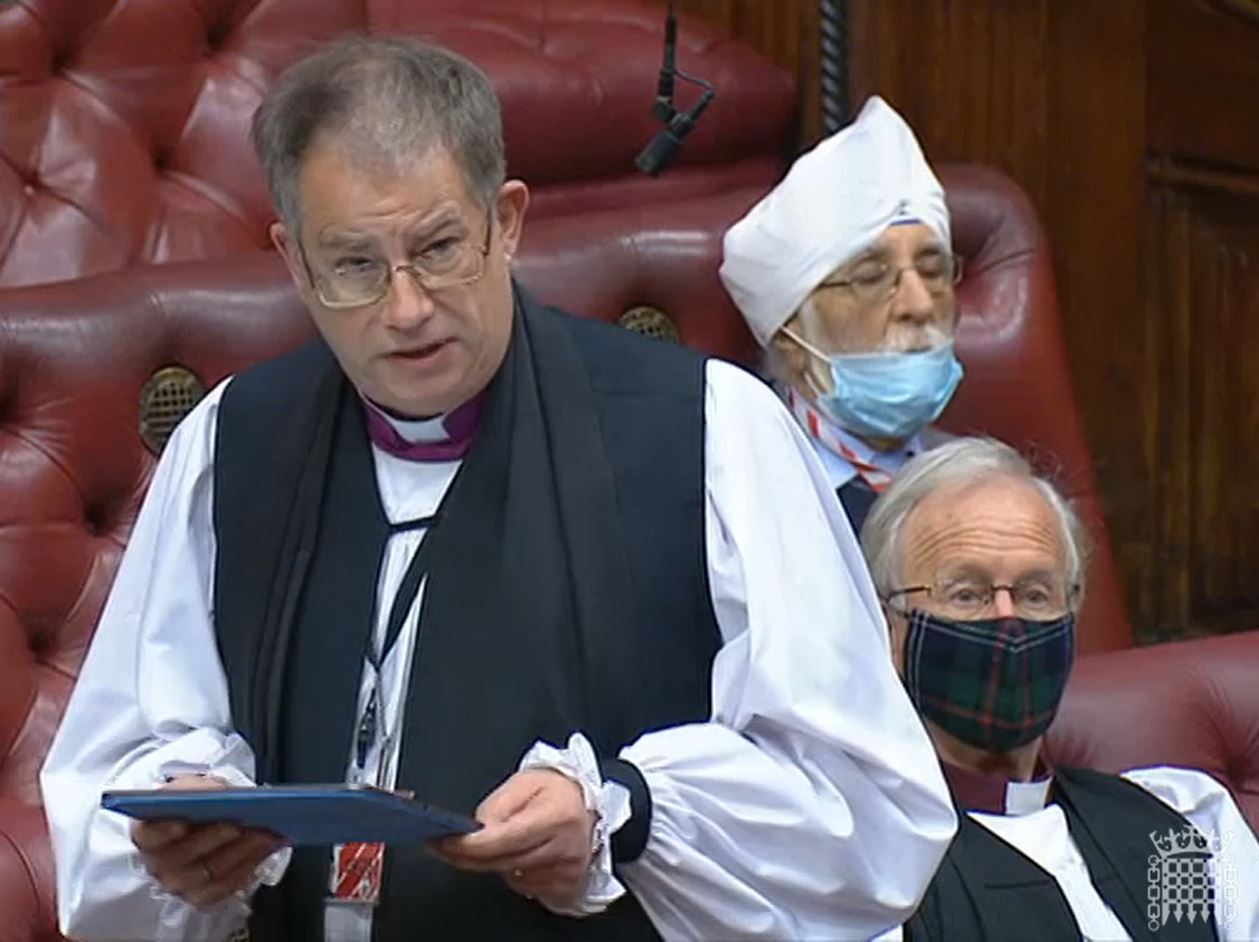
Bishop of Oxford speaks in a debate on the Schools Bill

On 23rd May 2022, the House of Lords debated the Schools Bill (2022) in its second reading. The Bishop of Oxford spoke in the debate in regards to faith schools and rural schools. The Bill was read through and committed to a committee of the whole house:

The Lord Bishop of Oxford: My Lords, there is much to welcome in the new Bill, as my colleague the right reverend Prelate the Bishop of Durham and other noble Lords have indicated. In particular, it is good to know the Government’s direction of travel on academisation and the continued emphasis on raising standards. I support the comments made by other noble Lords on the need properly to resource our schools, particularly in the aftermath of the pandemic, to safeguard the morale of heads, governors and teachers and to pay much greater attention to mental health provision.

It is vital as well to continue to build on secure partnerships across the statutory, voluntary, church and faiths sector. The education of our children has never been the sole responsibility of central government—it is the responsibility of all. These vital partnerships have flourished for many decades to the mutual benefit of all and the common good. It is very good to note the Government’s intention to safeguard those partnerships into the future through the Bill and the process of academisation which will follow. One of the tests of the Bill will be the strengthening of social capital and intermediate institutions.

Continue reading “Bishop of Oxford speaks in a debate on the Schools Bill”

Votes: Elections Bill

On 27th April 2022, the House of Lords debated further amendments to the Elections Bill following Commons amendments. A vote was held on one amendment, in which a Bishop took part.

Continue reading “Votes: Elections Bill”

Votes: Nationality and Borders Bill

On 27th April 2022, the House of Lords debated amendments to the Nationality and Borders Bill. A vote was held on an amendment, in which two Bishops took part.

Continue reading “Votes: Nationality and Borders Bill”

Votes: Judicial Review and Courts Bill

On 27th April 2022, the House of Lords debated amendments to the Judicial Review and Courts Bill. There was a vote on an amendment in which one Bishop took part.

Continue reading “Votes: Judicial Review and Courts Bill”

Votes: Building Safety Bill

On 26th April 2022, the House of Lords debated Commons amendments to the Building Safety Bill, and a vote took place on amendments, in which a Bishop took part:

Continue reading “Votes: Building Safety Bill”

Votes: Nationality and Borders Bill

On 26th April 2022, the House of Lords Debated amendments to the Nationality and Borders Bill, and votes took place on amendments in which Bishops took part:

Continue reading “Votes: Nationality and Borders Bill”

Nationality and Borders Bill: Bishop of Manchester speaks in debate

On 26th April 2022, the House of Lords debated amendments to the Nationality and Borders Bill. The Bishop of Manchester put forward two amendments, Motion F1 and H1. Motion F1 was disagreed with on division, and motion H1 was not moved following debate:

The Lord Bishop of Manchester: My Lords, I confess that I thought I had finished with ping-pong when I laid down my bat as table tennis captain of my college at university more than four decades ago. This is my first time at it in this rather different setting.

I rise to speak in support of Motions F1 and H1 in my name. I am extremely grateful to my right reverend friend the Bishop of Durham for his excellent previous work on these Motions. He is unable to be in his place today, so we worked on them together. I am also grateful for a letter I received this morning from leaders of many of the main Christian denominations in the United Kingdom, urging me to continue to press on these matters.

Continue reading “Nationality and Borders Bill: Bishop of Manchester speaks in debate”

Votes: Elections Bill

On 25th April 2022, the House of Lords debated amendments to the Elections Bill. Votes were held on amendments to the bill, in which Bishops took part.

Continue reading “Votes: Elections Bill”

Nationality and Borders Bill: Bishop of Durham speaks in favour of amendments

On 4th April 2022, the House of Lords debated amendments to the Nationality and Borders Bill. The Bishop of Durham tabled Amendments 53B to 53D, and spoke in support of several other amendments:

The Lord Bishop of Durham: My Lords, in rising to speak in support of Motions G1 and J1, I declare my interests in relation to both RAMP and Reset, as set out in the register. I continue to be of the view that Clause 11 is the most inhumane part of the Bill. I therefore continue to support both Motions C1 and D1; I also support Motions E1 and F1.

The noble Lord, Lord Kirkhope, would have liked to move Motion G1 but is unable to be in the Chamber today, so we have worked together on this. When people arrive on our shores seeking protection, we have a responsibility to treat them as we would wish to be treated if indeed we had to flee for our lives. It is right that we have a process to determine who meets the criteria for refugee status but, while we determine this, we are responsible for people’s safety, welfare and care. If we move them to other countries for the processing of their asylum claims, I very much fear that a blind eye will be turned to their treatment; the Nauru experience in Australia sadly points that way.

The inhumanity of this part of the Bill is my primary concern. There are, however, significant practical and financial concerns related to the passing of Clause 28 given that we do not have details of how or where this offshoring would operate. Although this was acknowledged by many MPs supporting the legislation in the other place, they were of the opinion that the Home Secretary should have these powers available to her if needed. On that basis, Motion G1 would allow the Home Secretary these powers while introducing much-needed transparency and a check on the introduction of an offshore processing and detention system. This would allow proper consideration by both Houses of the appropriateness and safety of the host country proposed, and whether it meets the Home Secretary’s assurance of being a safe third country for the asylum seekers transferred there, including whether it can provide safe, humane and appropriate accommodation and processing of asylum claims.

Continue reading “Nationality and Borders Bill: Bishop of Durham speaks in favour of amendments”