On 17th April 2024, the House of Lords debated Commons reasons and amendments to the Safety of Rwanda (Asylum and Immigration) Bill. Votes were held on further amendments to the bill, in which Bishops took part:

On 17th April 2024, the House of Lords debated Commons reasons and amendments to the Safety of Rwanda (Asylum and Immigration) Bill. Votes were held on further amendments to the bill, in which Bishops took part:
On 17th April 2024, the House of Lords debated the Economic Activity of Public Bodies (Overseas Matters) Bill in committee. The Bishop of Manchester spoke in support of amendment 54 to the bill, calling for the government to provide clarity over the scope of the bill in relation to charities and educational institutions:

The Lord Bishop of Manchester: My Lords, I shall speak in favour of Amendment 54, to which I have added my name. I also support the other amendments in this group. I listened carefully to the previous debate. As other noble Lords have noted, there is a strong overlap between this and the previous group.
Again as others have said, my concern is that, before we pass this Bill, we get clarity on who it covers. I declare a particular interest in that those of us on these Benches, along with other diocesan bishops of the Church of England, do carry out public functions. From time to time, these might bring an individual, in our corporate capacity as bishop of a diocese, within whatever definition of a public body or authority we might eventually land on.
Continue reading “Economic Activity of Public Bodies (Overseas Matters) Bill: Bishop of Manchester calls for clarity on scope of bill”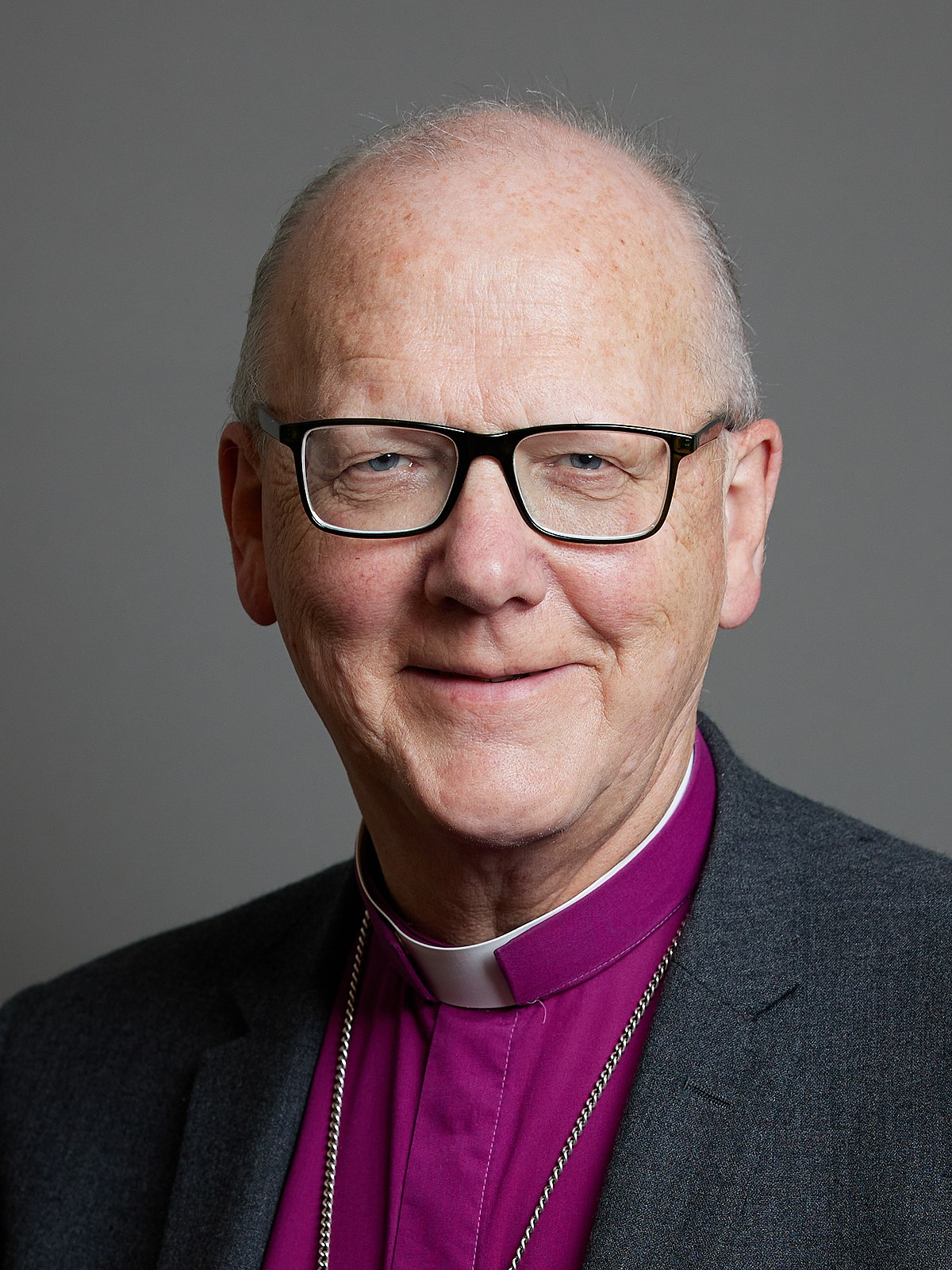
The Bishop of St Albans received the following written answer on 17th April 2024:
The Lord Bishop of St Albans asked His Majesty’s Government what plans they have to prioritise research into variation of the prevalence of prostate cancer among different ethnic groups.
Continue reading “Bishop of St Albans asks about variation of the prevalence of prostate cancer among different ethnic groups”On 16th April 2024, the House of Lords debated the Victims and Prisoners Bill. Votes were held on amendments to the bill, in which Bishops took part:
On 16th April 2024, the House of Lords debated amendments to the Victims and Prisoners Bill. The Bishop of Manchester spoke in support of amendments 5 and 8 to the bill pertaining to child criminal exploitation, urging that a consistent definition of this be adopted to ensure support for children affected by criminal exploitation:
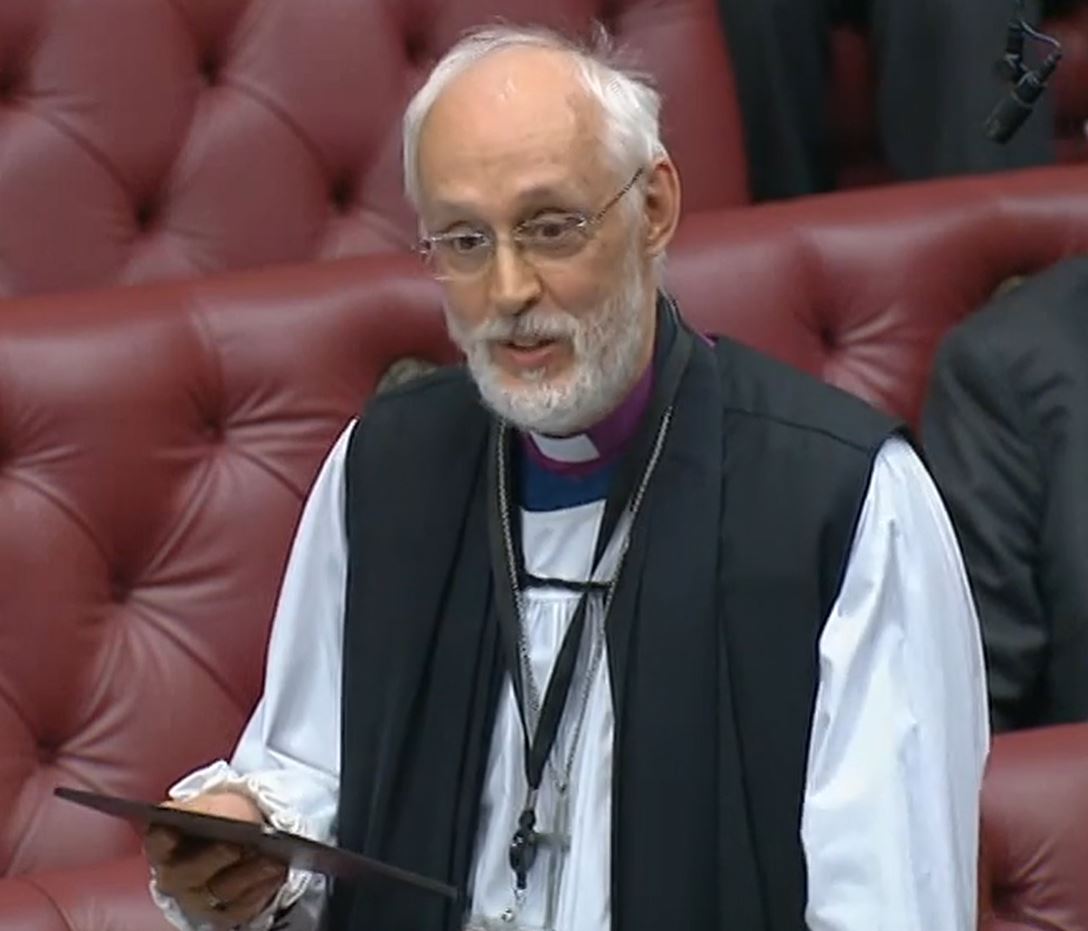
The Lord Bishop of Manchester: My Lords, I will speak very briefly to Amendments 5 and 8, to which I have added my name. One of the things that has changed hugely over my adult lifetime is an understanding of just how lifelong traumatising events that take place in childhood are. For that reason, we need to be very clear and careful when working with children.
Continue reading “Victims and Prisoners Bill: Bishop of Manchester urges greater support for victims of child criminal exploitation”On 16th April 2024, the House of Lords debated Commons reasons and amendments to the Safety of Rwanda (Asylum and Immigration) Bill. Votes were held on further amendments to the bill, in which Bishops took part:
On 16th April 2024, during a debate on the Safety of Rwanda (Asylum and Immigration) Bill, the Bishop of Bristol spoke in support of an amendment tabled by Lord Coaker, which would stipulate that the bill should have due regard for international law, the Children Act 1989, the Human Rights Act 1998, and the Modern Slavery Act 2015:

The Lord Bishop of Bristol: My Lords, I welcome the amendment from the noble Lord, Lord Coaker, particularly the detail of the inclusion in it of the Modern Slavery Act 2015; it is a detail except for those who have been, or may well have been, trafficked. There are as many as 4,000 people in the national referral mechanism whose cases are currently to be determined. That is absolutely right and proper under current legislation, and that legislation should be taken into account as part of the implementation of this Bill.
Continue reading “Safety of Rwanda (Asylum and Immigration) Bill: Bishop of Bristol supports amendment on due regard for international and domestic law”On 16th April 2024, the Bishop of Winchester tabled a question to the Foreign Secretary on the current state of freedom of religion and belief in India:

The Lord Bishop of Winchester: To ask the Secretary of State for Foreign, Commonwealth and Development Affairs what assessment he has made of the current state of freedom of religion or belief in India.
Lord Cameron of Chipping Norton (Con, Foreign Secretary): My Lords, India is a multifaith, multiethnic democracy and remains among the most religiously diverse societies in the world. It is home to 966 million Hindus, 172 million Muslims, 28 million Christians, 20 million Sikhs, 8 million Buddhists and 4.5 million Jains. India is committed via its constitution to freedom of religion and belief. Where specific issues or concerns arise, the UK Government of course raise these directly with the Government of India.
Continue reading “Bishop of Winchester asks about freedom of religion and belief in India”
The Bishop of Newcastle asked a question on government plans to ensure food security in the event of extreme weather events and flooding affecting supply lines on 16th April 2024, during a discussion on compensation for farmers affected by flooding:
The Lord Bishop of Newcastle: Climate change and global events have exposed the vulnerability of relying on imported foods. Given the extreme weather events and flooding, the likelihood that this will continue and the impact on farming, what plans do the Government have in place to ensure food security?
Continue reading “Bishop of Newcastle asks about food security in the event of flooding or extreme weather”
The Bishop of Leeds asked a question on whether the government has established a communications plan in the event of another pandemic, during a discussion on pandemic preparedness on 15th April 2024:
The Lord Bishop of Leeds: My Lords, do the Government have a pre-prepared communications plan for the eventuality of another pandemic—which could be next week, next year or whatever—so that it is not made up on the hoof? We remember that, in 2016, there was a big exercise in London which was forgotten about when we got to the actual pandemic. Are those provisions being put in now and preparations being made?
Continue reading “Bishop of Leeds asks about pandemic preparedness” The Church of England in Parliament
You must be logged in to post a comment.