
 On 24th June 2019 Baroness Campbell of Surbiton asked the Government “what crisis prevention measures are in place to address the difficulties of those working-age disabled adults who have lost the support needed to live independently in the community”. The Bishop of London, Rt Revd Sarah Mullally, asked a follow-up question:
Bishop of London: My Lords, the UN Committee on the Rights of Persons with Disabilities has recently stated that the UK was going backwards in terms of independent living and went on to say that it was a human catastrophe. In the Minister’s view, are we are doing enough to involve disabled people in producing, designing and providing better solutions for independent living?
 On 24th June 2019 Lord Black of Brentwood asked the Government “what steps they are taking to address the decline in the number of students taking music A-level”. The Bishop of Chichester, Rt Revd Dr Martin Warner, asked a follow-up question:
 On 24th June 2019 the Bishop of St Albans, Rt Revd Alan Smith, received written answers from Government, in reply to five questions about problem gambling and gaming machines in the armed forces and on the armed forces estates:
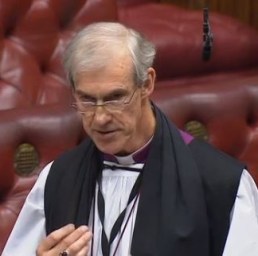 On 24th June 2019 the Bishop of Carlisle, Rt Revd James Newcome, received a written answer from the Government about opiates and prescriptions for chronic pain:
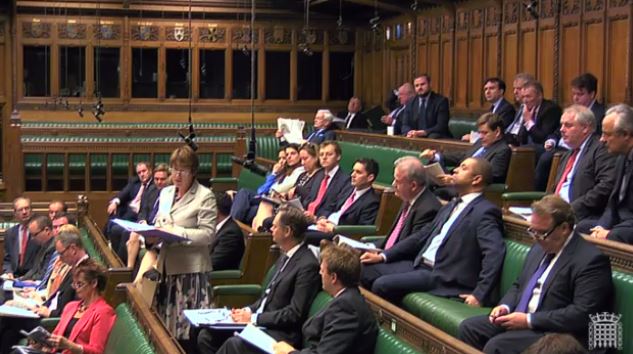
 This week in the House of Lords bishops spoke on intergenerational equality, antisemitism, and the new ‘breathing space’ scheme for people in serious debt. They asked questions about serious youth violence, food banks and food poverty, religious freedom and the persecution of Christians, and those with disabilities reporting abuse. In the House of Commons the Second Church Estates Commissioner answered questions from MPs on serious youth violence, clergy recruitment in London, the contribution of cathedrals to the local economy, employee pay gap, responsible investments, mobile phone masts, persecution of Christians, Thy Kingdom Come. The House of Commons passed the Church Representation and Ministers Measure.
  The Lord Bishop of Oxford: My Lords, I too welcome this debate and thank the noble Lord, Lord Bird, very warmly for bringing it. I welcome his proposals. As the noble Lord, Lord Layard, said, the foundation is a moral and ethical case. That moral case has shifted in recent years because of the realisation of the effects of the Anthropocene era. Humanity’s effect on the environment means that the interests of not just the next generation but every generation beyond that need to be protected in our policy-making and debate.
 The Lord Bishop of Leeds: My Lords, I, too, am grateful to the noble Lord, Lord Bird, for bringing this debate to us. Despite wanting to say one or two things,
 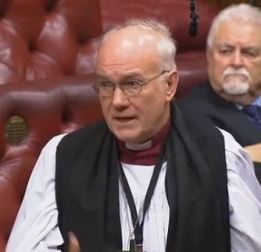 The Lord Bishop of Chester: My Lords, I echo the excellent opening speech by the noble Baroness, Lady Berridge, by saying that I view anti-Semitism as perhaps the greatest tragedy and disgrace in the history of the Christian Church.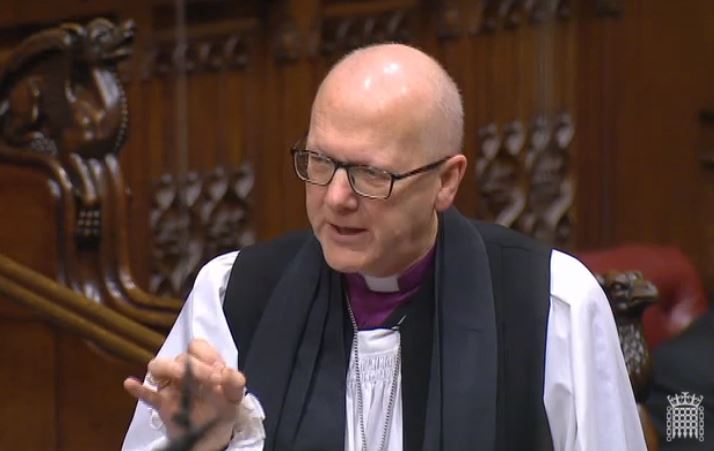


You must be logged in to post a comment.