On 29th February 2016, the House of Lords considered changes made in the House of Commons to the Government’s Welfare and Work Reform Bill. Earlier, MPs had voted to reject an amendment to the Bill tabled by the Bishop of Durham and passed by the House of Lords, which made it a duty of the Secretary of State to report annually on income measures of child poverty. In its place Lord Freud, Minister for Welfare Reform, tabled an alternative Government amendment in the Lords, to require government to annually publish the child poverty income measures, without requiring a report to be laid before Parliament. The Bishop of Durham, the Rt Revd Paul Butler, and the Bishop of Portsmouth, the Rt Revd Christopher Foster, both welcomed this concession by Government. Lord Freud’s speech introducing that amendment can be seen here. The Bishop of Durham’s response can be seen here.The Bishop of Portsmouth’s response is below, in which he also pressed the Minister on points he had made at earlier stages about the two-child limit and impact on those who are bereaved or fleeing domestic violence.
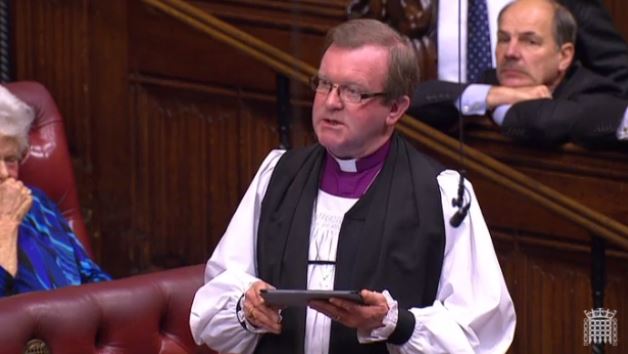 The Lord Bishop of Portsmouth: My Lords, I, too, am grateful for the Government’s decision to publish under obligation the three HBAI low-income measures, along with the further measure of children in persistent poverty. In welcoming this response to the clear wish of the House, I will not detain the House with my commentary on the tortuous routes to this wise and welcome decision, tempting though that is; we are in Lent and bidden not to succumb to temptation. As we have so powerfully and carefully considered in this House the plight particularly of children in poverty, I recall that the Minister said that he expected the Government to come under further pressure—I paraphrase—and I do not want to disappoint him. Continue reading “Welfare Reform Bill: Bishop of Portsmouth welcomes child poverty proposals and presses Government on two-child limit”

 This week bishops in the House of Lords spoke to and voted on amendments to the Government’s Welfare Reform and Work Bill and spoke in a debate on sustainable technology. They asked questions on refugees in Calais, Sudan, family reunification, affordable housing, Daesh, Iraqi refugees, Israel, and mental health and prisons. In the House of Commons the Second Church Estates Commissioner answered questions on former bishop George Bell and spoke in a debate on the Churches Conservation Trust.
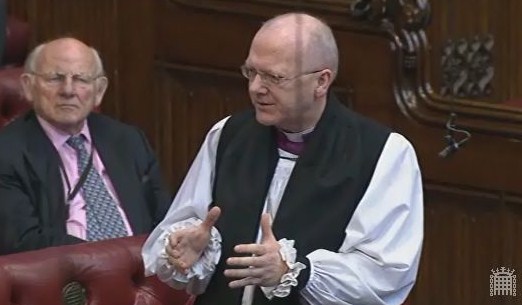
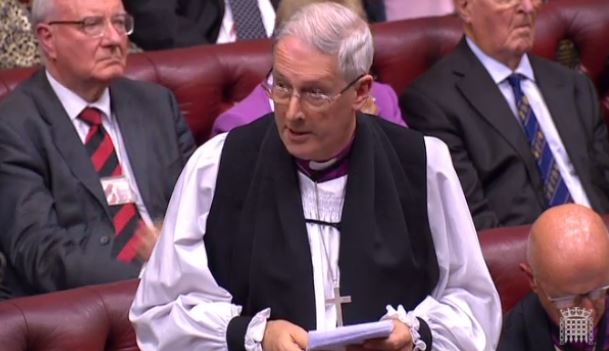
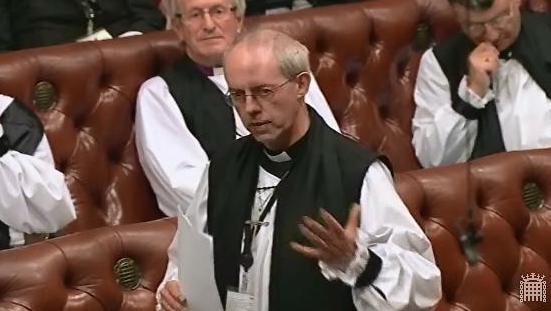
 The Archbishop of Canterbury: My Lords, while we would all agree that the situation is difficult for the French authorities, I am sure we also feel that it is significantly more difficult for the 300 unaccompanied children. I recently visited the Marsh Academy near Romney Marsh and saw a school and community fostering and caring with the utmost compassion for significant numbers of unaccompanied children. Given that example, does the Minister agree that issues of compassion should easily trump those of administrative efficiency and tidiness, and narrow definitions of family links, and that we should, therefore, take more children very quickly?


You must be logged in to post a comment.